This research initiative, led by the Blanes Center for Advanced Studies (CEAB) and the company Naturalea, seeks sustainable solutions for isolated locations. The pilot plant has been installed at facilities managed by the Catalan Water Agency (ACA) and will become operational by mid-spring.
The primary goal of the study is to evaluate how these biological systems can retain and remove elements such as nitrogen and phosphorus from untreated water. This technology would be particularly useful for infrastructures like mountain shelters or isolated rural homes that lack access to conventional sewage networks.
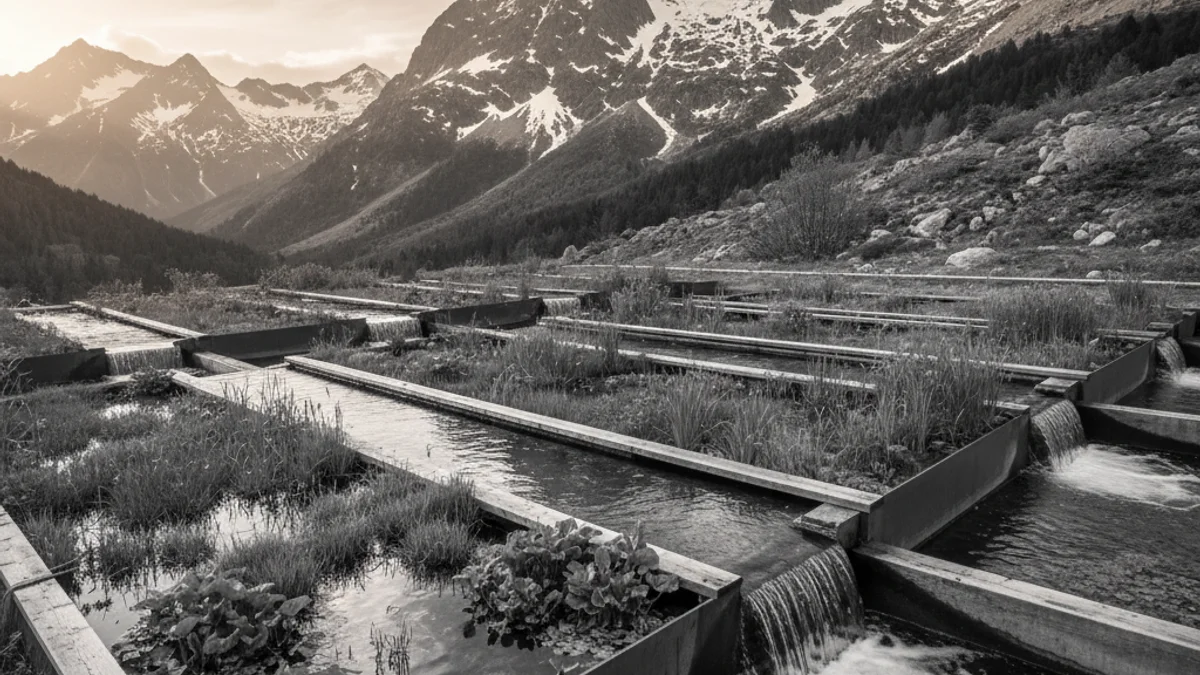
The system consists of several modules that recreate the functioning of wetland ecosystems. During the testing period, researchers will compare the efficiency of areas with specific vegetation versus those without plants, considering the harsh climatic conditions and seasonal variations typical of the Pyrenees.