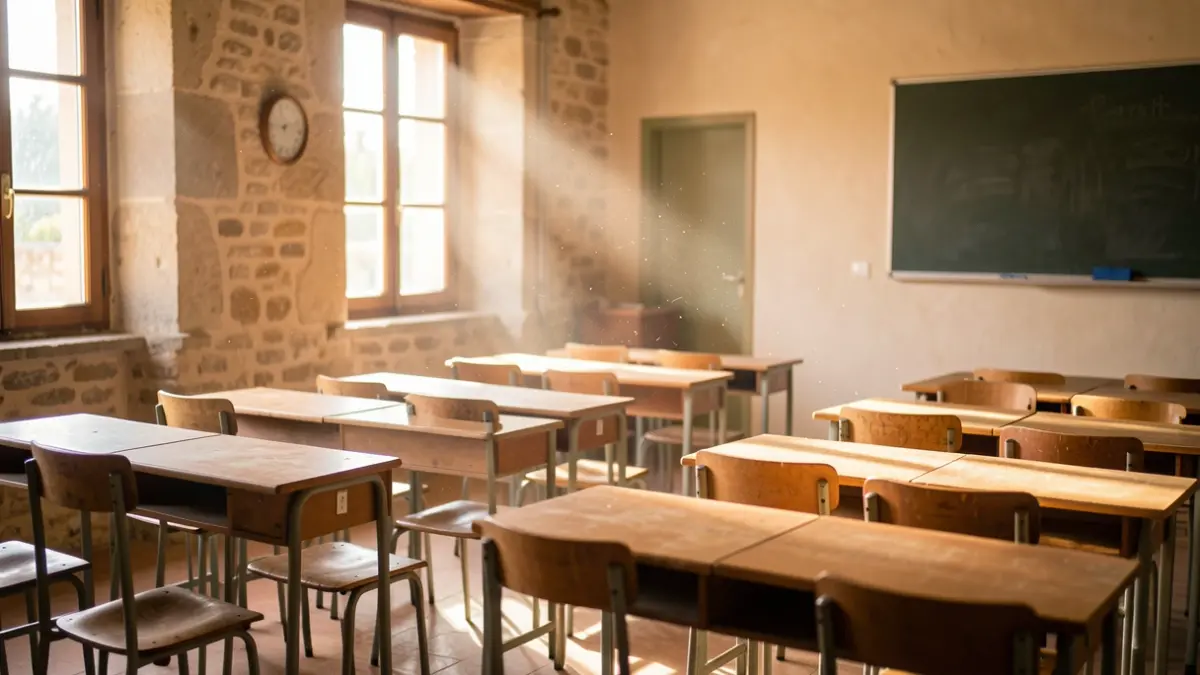
With the end of the academic year, classrooms empty and hallways fall silent, ushering in a time for reflection on the learning acquired. Beyond curricular knowledge, the question arises about what has truly been learned.
This term has been marked by debates on key educational issues, such as research projects, exams, graduations, the status of Catalan in classrooms, and the general challenges facing the educational community. All these topics converge on a common concern: the shape of 21st-century classrooms.
Often, the focus is placed on major methodological, technological, or regulatory changes. However, a fundamental question frequently remains in the background: what elements enable the educational system to function? The answer lies with people, as school is, above all, a network of human relationships among students, teachers, and families.
Demands on education are numerous: to foster critical citizens, ensure equal opportunities, integrate diversity, preserve language, educate in values, and prepare for an ever-changing world. Despite the legitimacy of these goals, it is essential to ensure that the necessary conditions are provided for their achievement.
This academic year has also highlighted growing fatigue and concern within the teaching profession, with educators expressing bureaucratic overload and difficulties in carrying out their work. This situation transcends salaries or hours, relating to social recognition and the trust needed to fully dedicate oneself to the educational task.
The final reflection of this course suggests that education does not depend solely on curricula or legislative reforms, but on the ability to maintain an educational community committed to learning and the future.
When classes resume in September, discussions will once again turn to grades, assessments, and challenges. However, it is crucial not to lose sight of the essential: when the classroom lights go out, what endures are not just the acquired knowledge, but the people who made the learning process possible.