Modernism profoundly transformed the city of Reus during its golden age, leaving a legacy of notable works. Among them, the creation of the Pavilion of the Distinguished at the Pere Mata Institute marked a turning point, not only for the city but also beyond.
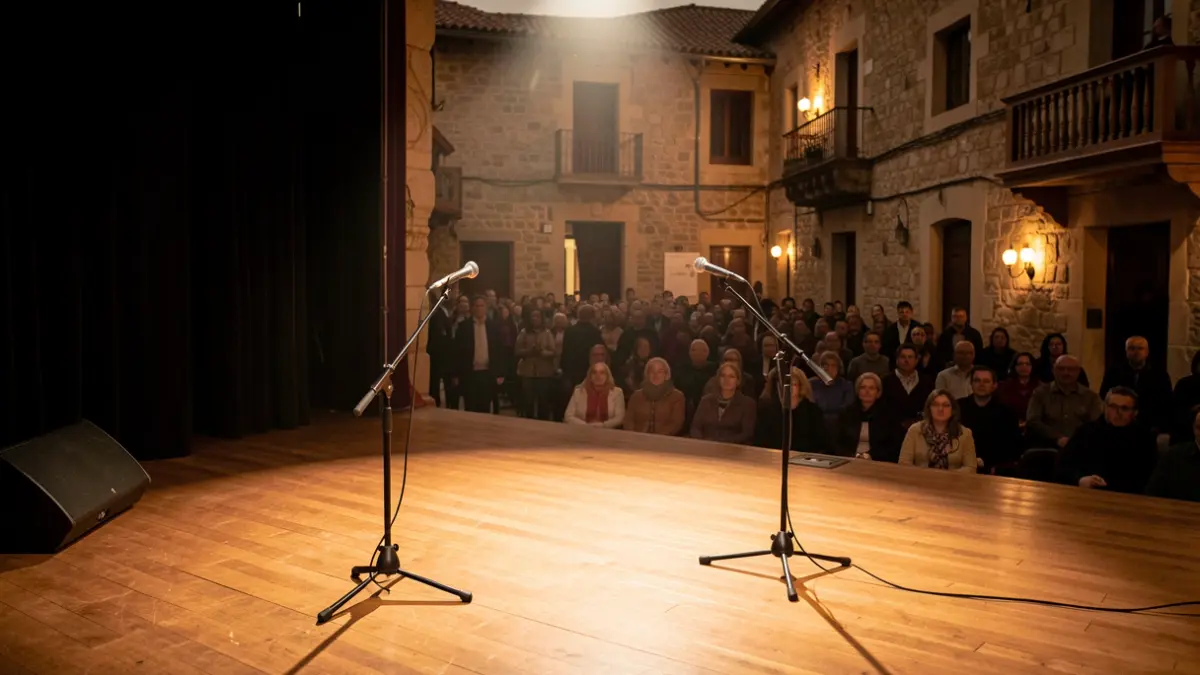
Recently, this emblematic space, now a monument, was the setting for a theatrical guided tour organized by Còdol Educació. Visitors embarked on a journey through time, guided by Angeleta, the housekeeper of doctor Emili Briansó, the institute's initiator and later mayor of Reus in the early 20th century.
“"These people are the misfortune of humanity; no one has ever looked at them."
According to the narrator, Briansó conceived this space with the firm intention of offering attention and care to those who had been overlooked. The architecture and design of the center were key elements in this therapeutic project.
Described as a "monastery of the mind," the Pavilion of the Distinguished features a design that minimizes the sense of confinement. The garden fence, for instance, is designed with a moat to avoid obstructing the view of the landscape from the outside, allowing patients to enjoy the surroundings without feeling enclosed.
This philosophy is reflected in every detail of the building. The wall decorations, such as the chestnut trees in the main hall, convey messages of strength and robustness to patients. The image of Pere Mata on the ceiling, a blindfolded woman holding a torch, symbolizes doctors' help in finding light and improving.
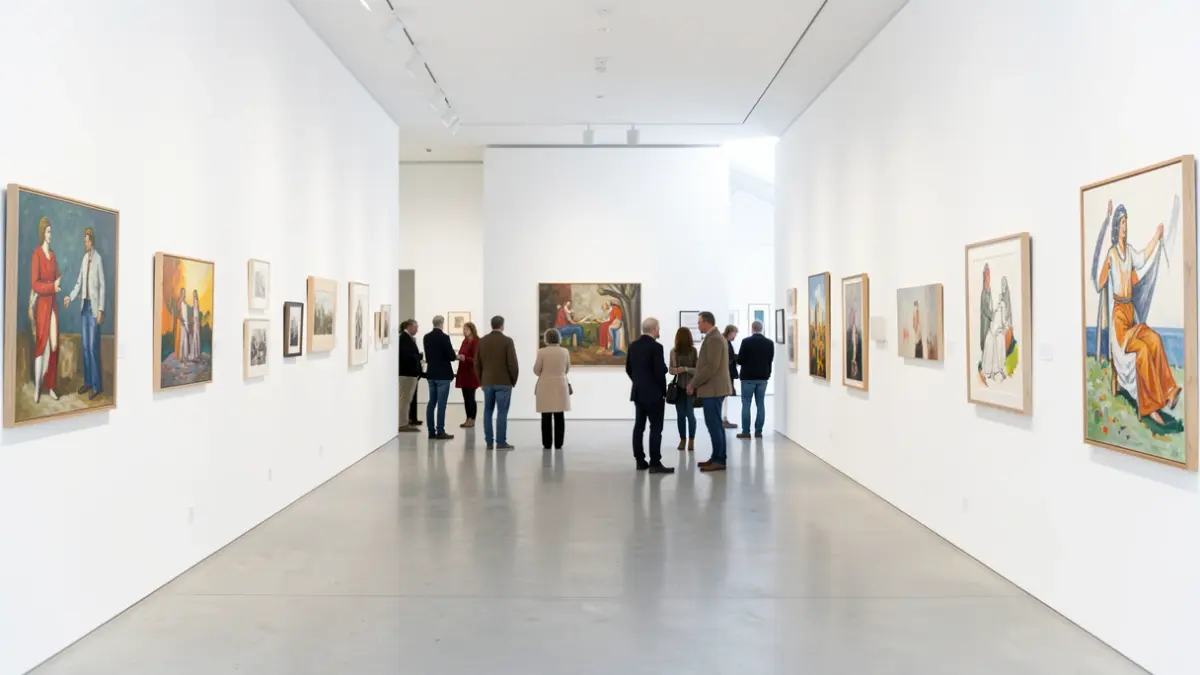
The Institute was organized by gender, social class, and type of illness, acknowledging the diversity of necessary treatments. Briansó also championed innovative techniques, believing that patients had a part of their recovery in their own hands, promoting work activities like painting, as the renowned painter Joaquim Mir did during his stay.
Music therapy and the pavilion's careful acoustics were other applied therapies. The visit concluded with a musical performance, underscoring the space's conception as a true work of art.