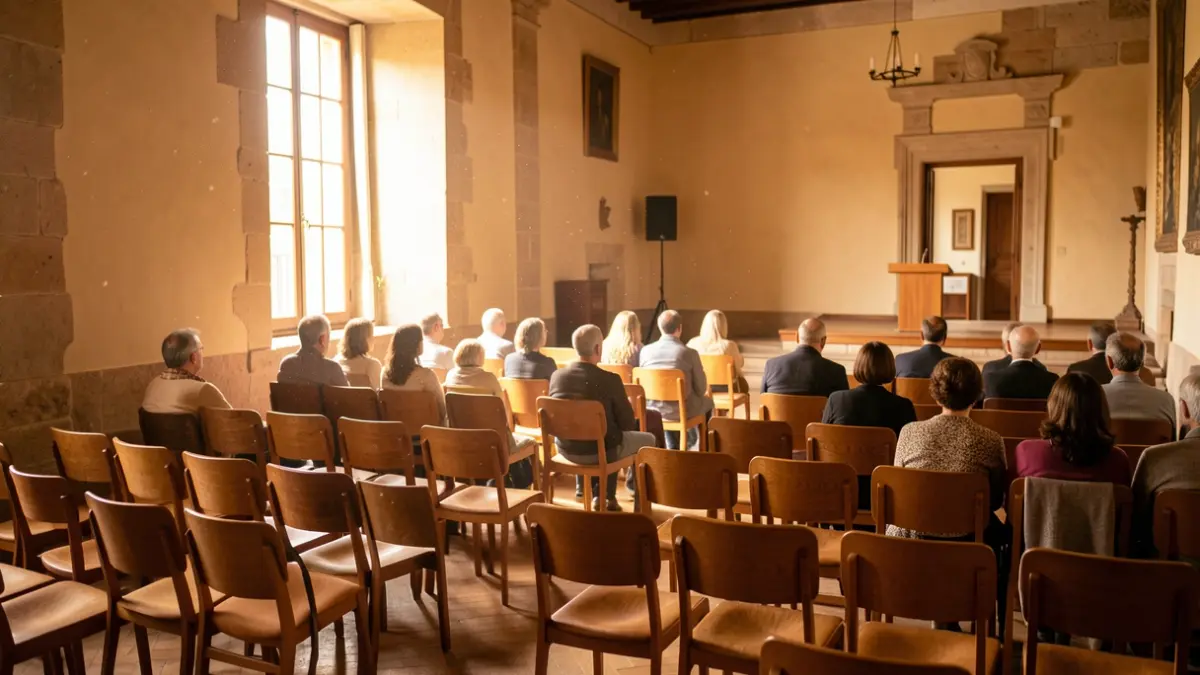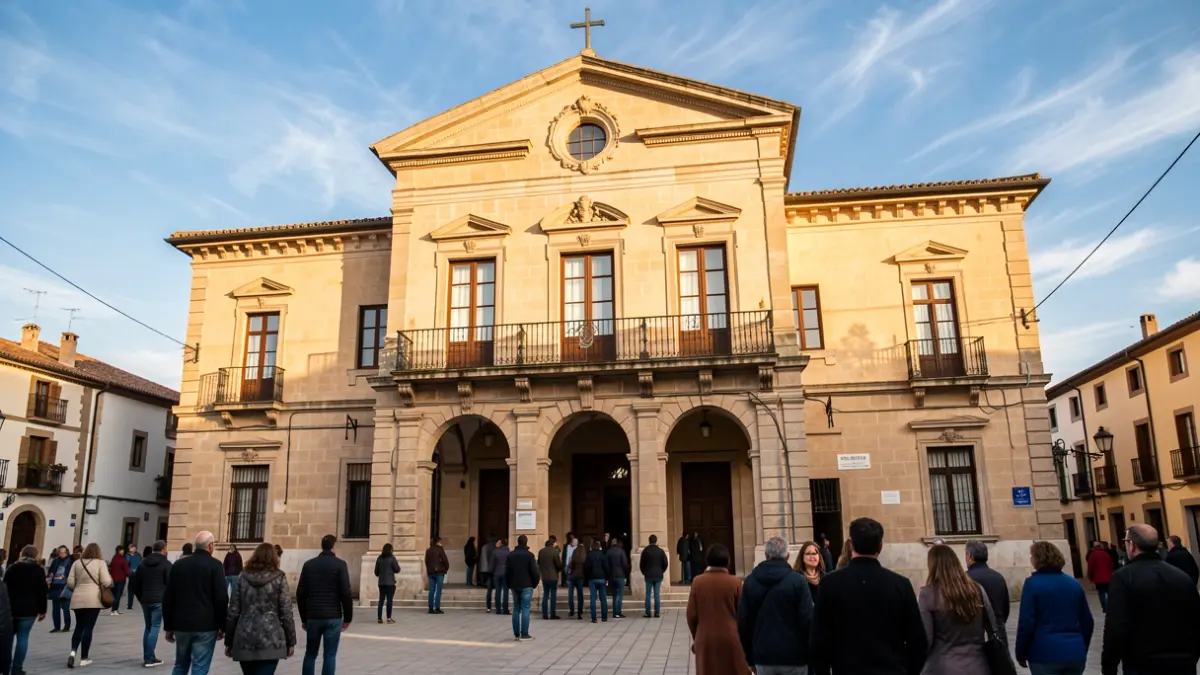
The sessions, scheduled for Thursday, April 9, will feature Jaume Blanc, the project's director, and Bangally Jabby, the young Senegalese protagonist, who will share his migratory journey firsthand. The activity will be repeated the following day, Friday, at Institut Escola Pi del Burgar.
The objective of the workshops is to offer a human and close perspective on the migratory phenomenon, while fostering critical thinking and debate among students.
This proposal is part of the 'El Senegal més a prop' (Senegal Closer) cycle, promoted by the Solidarity and Cooperation Department of Reus City Council and the NGO La Veu entre Cultures. The program aims to raise public awareness about migratory realities and cultural diversity through direct testimonies and artistic expressions.
Beyond the educational sphere, the cycle includes other public activities. On Saturday, April 18, Confiteria Padreny will host the presentation of the book 'Destí al nord' (Destination North), with the participation of Bangally Jabby, Alioune Blanc, and Jaume Blanc. Additionally, the exhibition 'Fragments d'Humanitat' (Fragments of Humanity) by Omar Moreno will be open until summer at Street Gallery Llambordes.
The 'Tornar a casa' project recounts the life story of Bangally Jabby, who at just 16 years old embarked on a nine-month migratory journey from Senegal to Catalonia, facing extreme situations. Currently, at 22, he lives and works in Reus. His experience has inspired both the book 'Destí al nord' and the documentary 'Tornar a casa', which focuses on his return to Senegal and the reconnection with his roots.