This decision by the Catalan executive represents a significant step towards the materialization of the initiative, which foresees an approximate investment of 25 million euros and the creation of seven direct jobs. Construction is scheduled to begin in 2027, provided that administrative procedures and necessary licenses are completed within the estimated deadlines.
The project aligns with the administration's criteria, which include location in municipalities affected by agricultural nitrate contamination, collective management with a minimum of 50% livestock manure, a processing capacity of 100 tons per day, and the incorporation of technologies to obtain fertilizing by-products.
“"The project has undergone two public information periods. At the same time, we are processing the integrated environmental authorization, and on September 25, the initial approval of the Autonomous Urban Special Plan was granted. Currently, we are awaiting the provisional approval, which must also pass through the same commission, to then proceed to the definitive one, which in this case is the responsibility of the Urban Planning Commission of Catalonia. We have thus overcome very rigorous procedures."
Despite the progress, the project has received objections from the municipalities of Tortosa and l'Aldea, the latter showing particularly strong opposition. In response to these concerns, modifications have been incorporated, such as the non-discharge of wastewater into the town's sewage system, which will now be managed by an authorized operator.
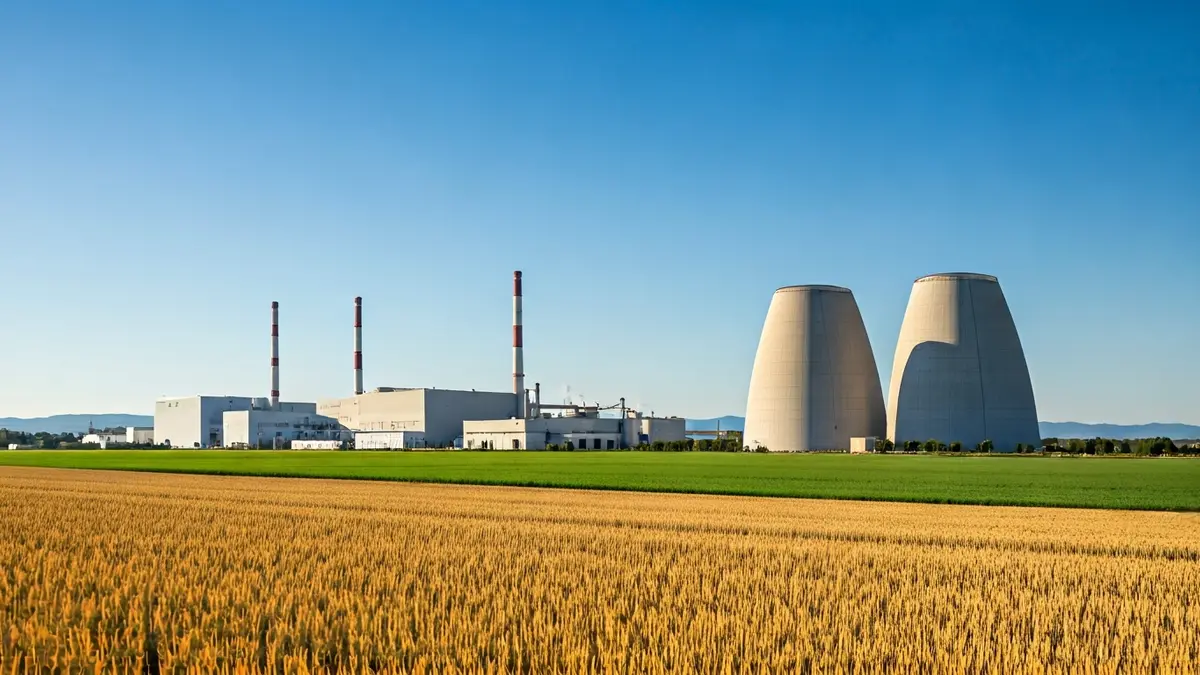
Oriol Martínez, Project Manager of the plant, emphasized that the facility will be a Circular Bioenergy Center, featuring advanced technology for waste treatment and nutrient recovery, contributing to nitrate management. The plant, with a capacity to process 127,000 tons annually, will use locally sourced raw materials, with pre-agreements for collecting chicken manure and pig slurry. Furthermore, Repsol holds a 40% stake in the project, securing an end-client for the biomethane.
Regarding concerns about odors, Martínez assured that the plant will be a fully enclosed and controlled facility, with no open-air storage, transport in sealed trucks, and a real-time environmental control system to monitor odor impact. The company has expressed its commitment to transparent communication and will organize informational sessions with businesses and citizens in the coming months.