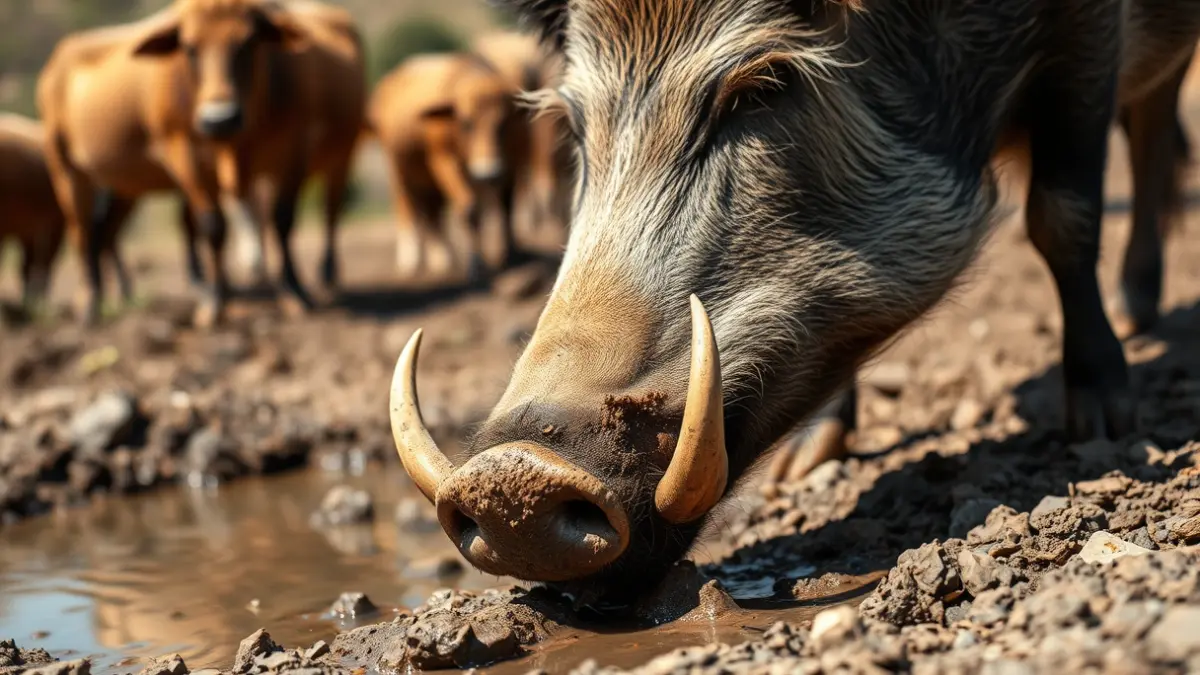
This initiative, covering over 155,000 hectares and 25 municipalities, primarily aims to reduce wild boar populations and intensify wildlife surveillance. The goal is to decrease disease reservoirs and, consequently, contain its spread.
The plan represents a new approach to wildlife management, with a five-year strategy based on technical criteria and risk analysis. Its implementation will be preventive, with a coordinated calendar and zoning of actions according to calculated risk. This is the fourth such plan activated by the Department and the second focused on tuberculosis.
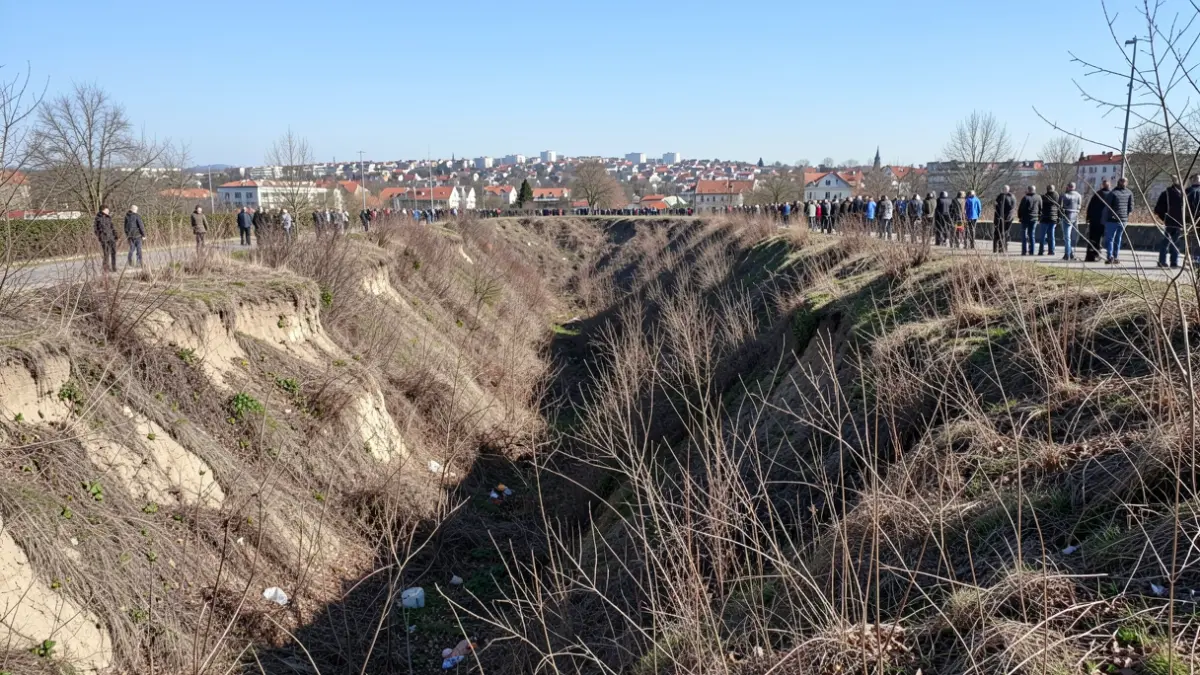
The transmission of diseases between wild fauna and domestic animals is a significant problem for the eradication of pathologies like tuberculosis, which holds considerable importance for public and animal health. Indirect transmission, mainly through shared water or feeding points, is the most common route. The orography of Terres de l'Ebre, with ravines and natural springs, favors animal concentration and thus increases the risk of interaction and contagion.
The new plan includes measures to enhance biosecurity at feeding and watering points. Livestock farm owners in these areas will need to implement measures such as selective troughs and feeders for cattle and other species, if determined by the competent animal health authority. Furthermore, hunting pressure will be increased in urgent action and alert zones, where tuberculosis cases have been detected in the last two years, aiming to significantly reduce the wild boar population growth.
This more strategic and efficient, data-driven model will allow for more precise action and the coordination of public and private efforts to protect the agricultural sector and biodiversity. The Department currently has four population plans active, including those for rabbits in Lleida, wild boars in Rocacorba (Girona), tuberculosis in the Pyrenees, and the one recently launched in Terres de l'Ebre.