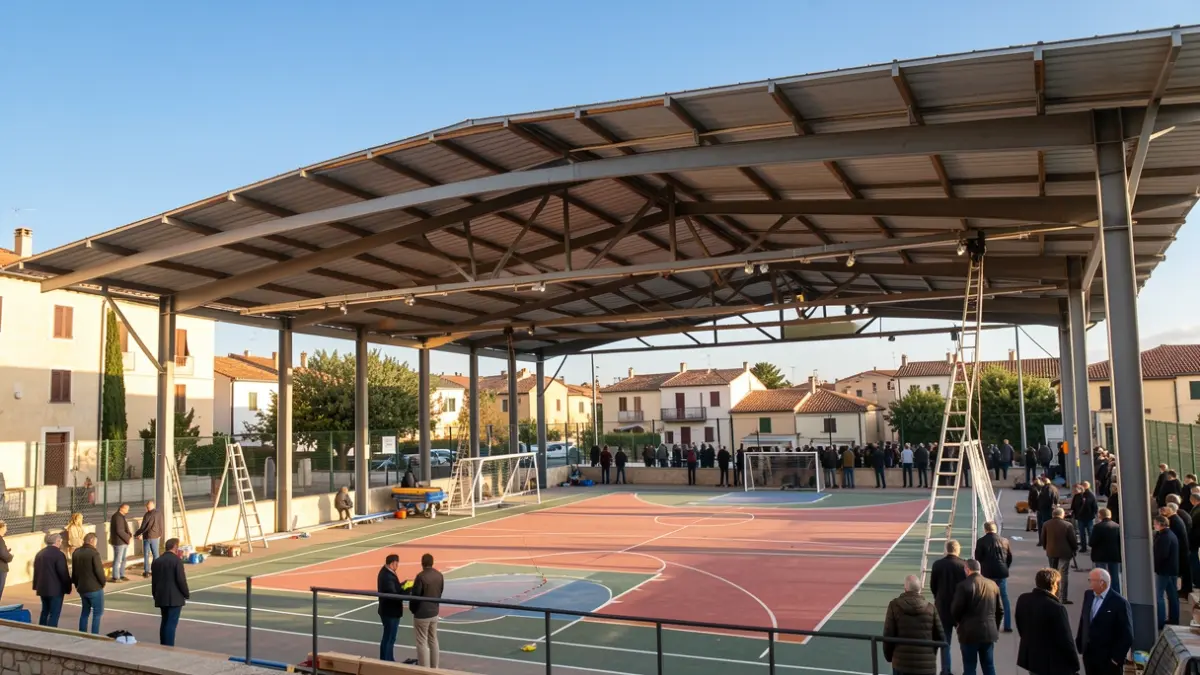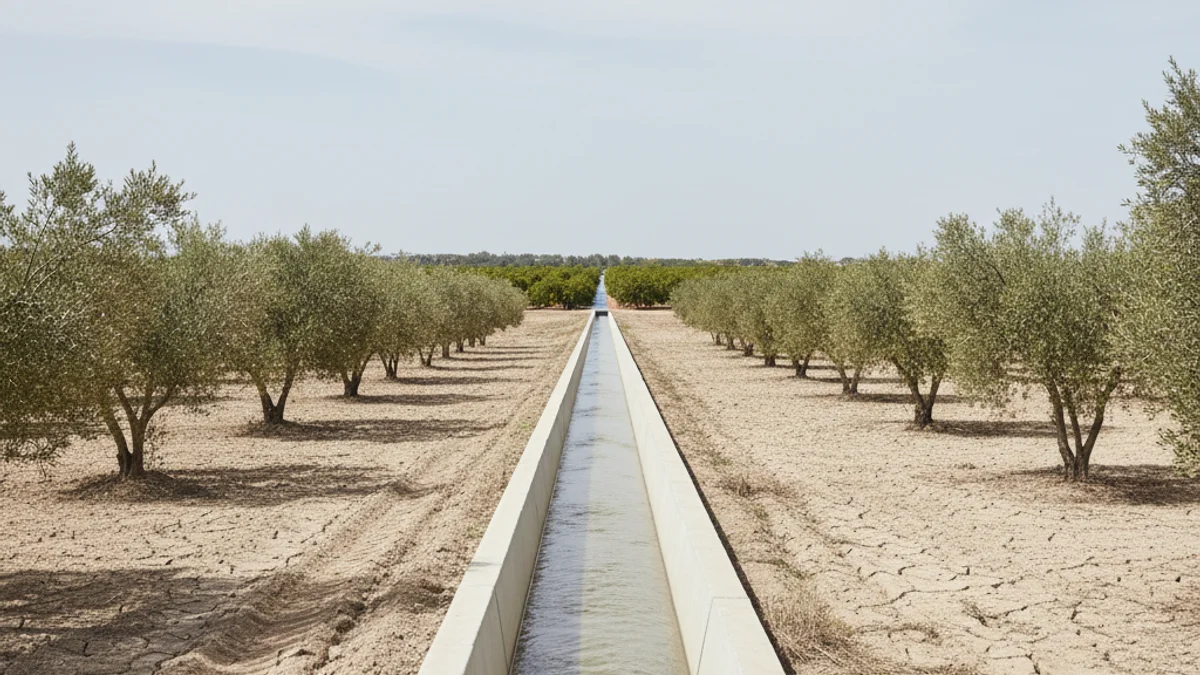
The new irrigation phase, which will cover olive and citrus crops in the interior plain of Roquetes, has so far secured the commitment of over 400 hectares, approximately one third of the 1,100 total hectares planned for the municipality. To boost adhesions and administrative management, the Roquetes City Council and local irrigators have signed an agreement by which the council will contribute 20,000 euros for hiring administrative support staff.
“"People already see it as real, and the number of hectares is also increasing. It is like an embryo that is born now and will not stop growing."
The new community president, Domingo Espuny, who replaces the mayor of Santa Bàrbara, Josep Lluís Gimeno, indicated that the start of the second phase works could be during the first quarter of 2026. Irrigators expect to formally receive the necessary endorsement from the Institut Català de Finances (ICF) in the coming days to begin the work, which is expected to last about two years.
Despite the progress, the adhesion figures are still far from the initial expectations of the Department of Agriculture. Currently, the first phase already has 57 hectares operational in Xerta and Aldover. The overall project forecast is to irrigate 16,000 hectares in the interior plains of Baix Ebre and Montsià, an initiative that has received over 150 million euros in public investment over the last two decades.
“"It will represent a significant economic boost because this can cause an agrarian transformation of the territory, and this will also mean, if there is a change and improvement in crops, more economic activity and perhaps finding a generational replacement for farmers."