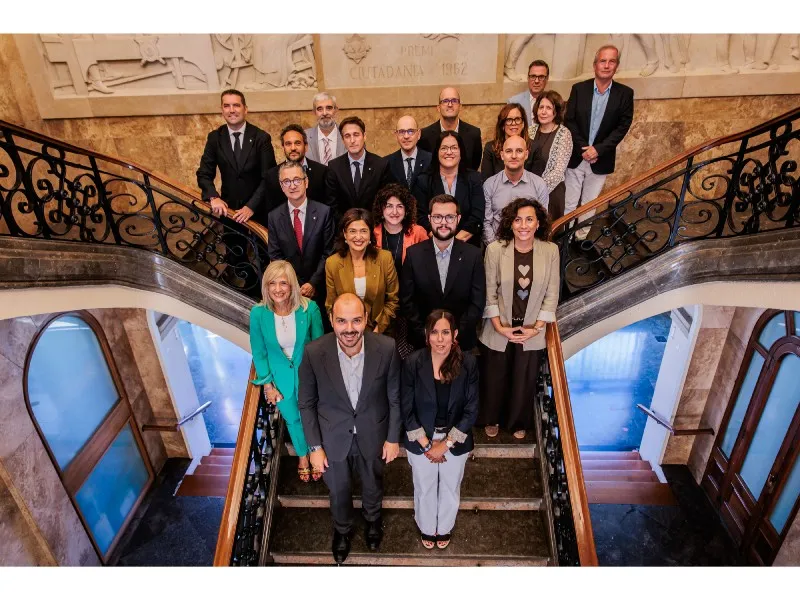
The Minister of Territory, Housing, and Ecological Transition, Sílvia Paneque, has assured that the Government's commitment to invest close to 50 million euros to modernize the road network of Baix Ter remains firm. This investment aims to tackle a profound transformation in mobility and energy transition for the territory in the coming years.
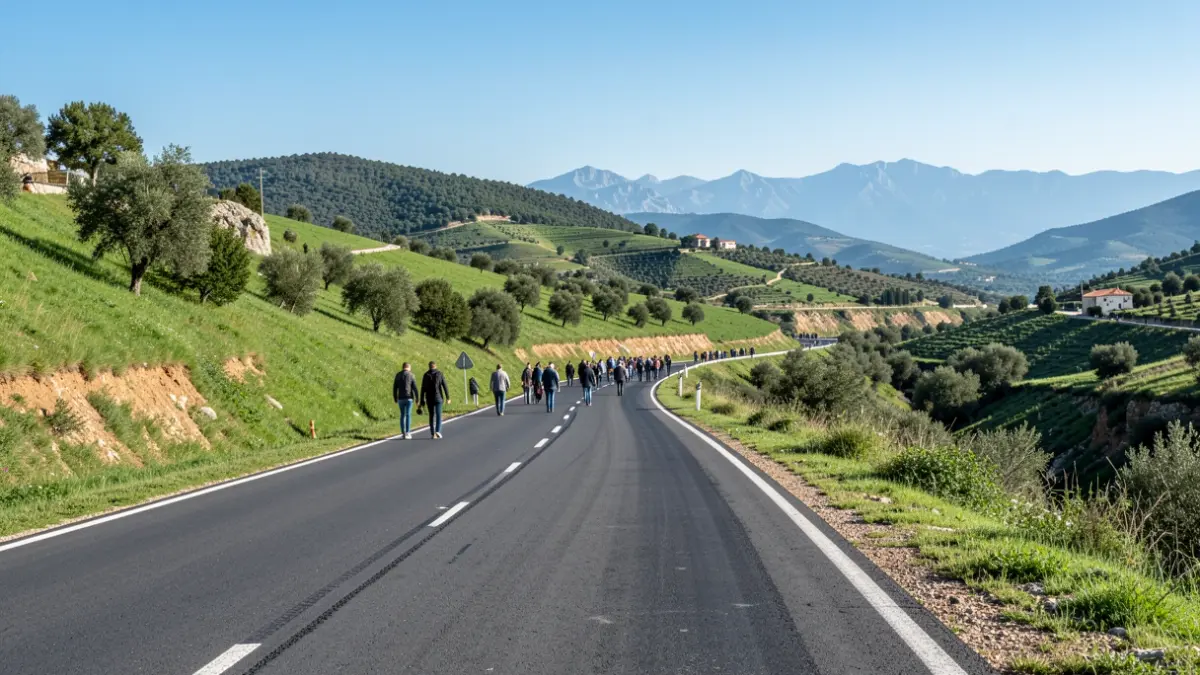
Paneque clarified that the 21 million euros included in the Government's new investment plan do not replace the funds allocated for the renovation of Baix Ter roads. The exact amount is around 50 million, and the works will be financed over several years, addressing a road network considered among the most deteriorated in the Girona provinces, particularly concerning safety and accident rates.
Currently, actions such as the works around Ullà are already underway. The minister has conveyed "reassurance" to the mayors that, once the planned projects are completed, the Baix Ter road network will be "fully repaired".
Addressing the historical deficit in public transport in Baix Empordà, 21 million euros will be invested to improve frequencies, increase bus capacity, and strengthen connections with rail services. The renewal of concessions until 2034 will also allow for the modernization of the bus fleet.
The project for the future tram-train in the Girona provinces continues to advance, with informative studies being drafted to define the final route. The minister does not rule out it following the Gavarres ring road to connect municipalities on the Costa Brava, a decision that will depend on demand and economic viability studies.
Regarding the energy future, Paneque has advocated for accelerating renewable energies and has sought to alleviate concerns about the offshore wind project in the Gulf of Roses. The experimental platform PlenCat, comprising three floating wind turbines, will be developed before any commercial park is authorized. This platform, operational for approximately one and a half years, will analyze environmental impact and position Catalonia as an international benchmark.
Paneque recalled that Catalonia generates only about 21% of its electricity from renewables, far below the European average. The TER Plan aims for the incorporation of approximately 1,500 megawatts of new renewable capacity in Alt Empordà and Baix Empordà by 2050, prioritizing urbanized areas and promoting agrivoltaics to balance agricultural production with energy generation.