Being a gardener is one of life's small pleasures, a hobby that many inherit and which becomes a way of understanding existence. Beyond being a mere piece of cultivable land, a garden represents patience, constancy, and a profound view of life. This passion, often described as a 'virus' inoculated from childhood, transforms over the years into a rewarding pastime, a way of intentionally and enrichingly 'wasting time'.
Over time, tending the garden becomes an almost philosophical matter, a return to origins and a gesture of solidarity with ancestors who loved the land that sustained them. This 'harmless drug', as some call it, creates a special dependency: unlike immediate pleasures like a coffee or a glass of wine, gardening demands constant dedication and a daily battle against natural elements.
Winter can be a period of calm, but with the arrival of light, the work multiplies. Preparing the soil, plowing, fertilizing, installing irrigation, and planting seedlings are just the beginning. Soon comes the constant dialogue with flies, fungi, birds, and weeds, which always threaten the harvest. Heat, cold, water, sun, and a sore back are common companions in this task.
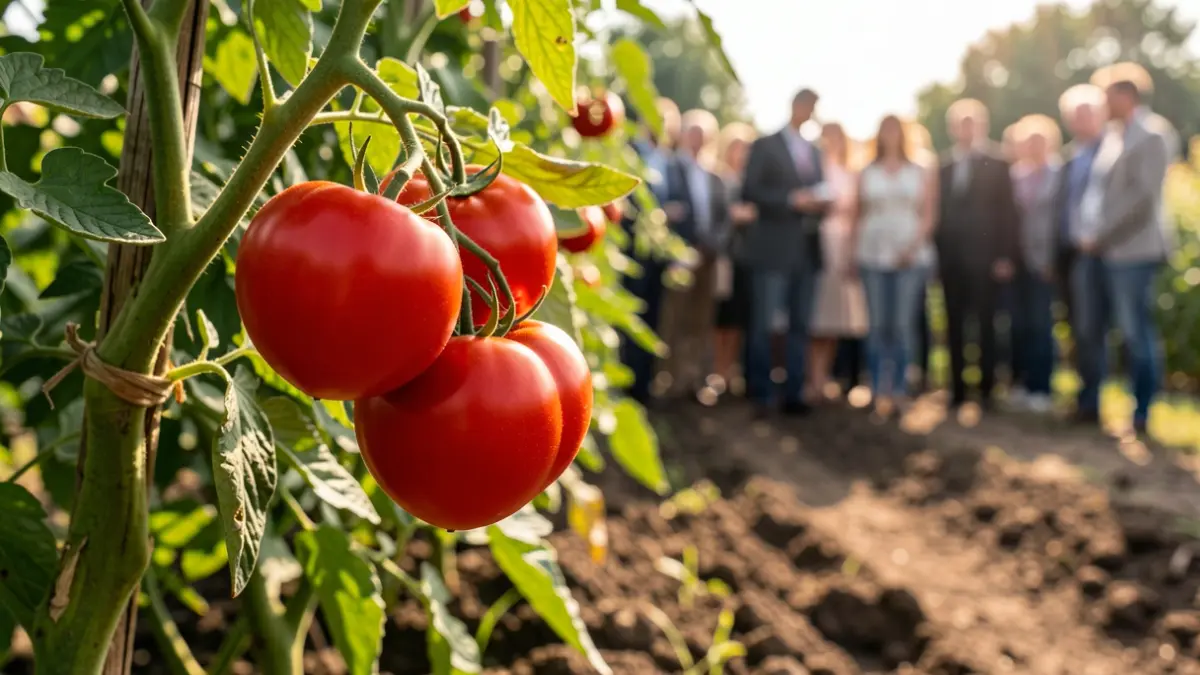
Despite the challenges and frustrations, the pleasure of harvesting the fruits of one's own labor is immense. Among the crops, the tomato stands out as the true star of the garden. The variety is surprising: from salad tomatoes to those for preserving, including specimens from places like Barbastro, Palamós, or Sicily, and with a range of colors from red to green, passing through yellow and black. As Josep Pla said, the garden is a domestic institution, a repository of ancestral culture that teaches us that what is worthwhile requires time and effort.