For years, neurological recovery after a stroke was primarily understood as a physical process based on repetition and maintenance. An effective approach, yes, but not inherently engaging. Advances in neuroscience have changed that perspective, and it is now known that the brain responds not only to therapeutic techniques but also to the context in which they occur. Current research suggests that factors such as motivation, personal involvement, and the perception of progress directly influence the brain's ability to reorganize itself after an injury. This phenomenon is related to Neuroplasticity, which is the nervous system's ability to form new connections and adapt after neurological damage or chronic pain. Dopamine, a neurotransmitter linked to learning, attention, and the sensation of reward, plays a role in this process. When individuals experience satisfaction from achieving small goals, their brains reinforce those behaviors, facilitating continued effort. Consequently, the emotional component has become an increasingly relevant clinical tool in Neurorehabilitation. This approach is particularly important for complex conditions and situations such as stroke, multiple sclerosis, spinal cord injury, ALS, Parkinson's, and even peripheral neuropathies like facial paralysis. In many cases, recovery requires months of consistent work and significant physical and mental commitment. Maintaining this consistency is challenging. This is where therapeutic adherence comes into play: the ability to sustain treatment over time. Engagement with therapy rarely stems from obligation; it typically arises when the process is challenging and motivating. This is as crucial as knowing the right treatment for each case. Several studies indicate that patients who actively participate in their goals and perceive functional progress show greater commitment to rehabilitation and better outcomes in their daily autonomy. The objective is not solely to regain movement, speech, or function, but to support the individual through a holistic perspective and an enriched environment. This is the model promoted by LA NAVE , a Neurorehabilitation center located in Esplugues de Llobregat (Barcelona), with a highly specialized multidisciplinary team led by Rocío Caulín (Neurophysiotherapist) and Lucía Morant (Neurolinguist). The project develops intensive, personalized programs tailored to each patient's needs, recognizing that neurological recovery also depends on feeling supported, understood, and capable. In their treatments, daily achievements gain essential therapeutic value. Being able to hold a conversation again, regain stability while walking, or gain independence in basic activities are advancements that build confidence and reinforce commitment to the process. Ultimately, rehabilitating the nervous system is not just about repeating movements and restoring patterns. It's also about making the treatment a sexy process. Rebuilding confidence, regaining motivation, and finding real reasons to move forward.
'Neurorehabilitation must be sexy'. The science behind LA NAVE's therapeutic approach.
Scientific evidence shows that motivation, dopamine, and reward enhance therapeutic outcomes in stroke recovery or after diagnoses of neurodegenerative diseases like multiple sclerosis.
By Newsroom Diari de Catalunya
••3 min read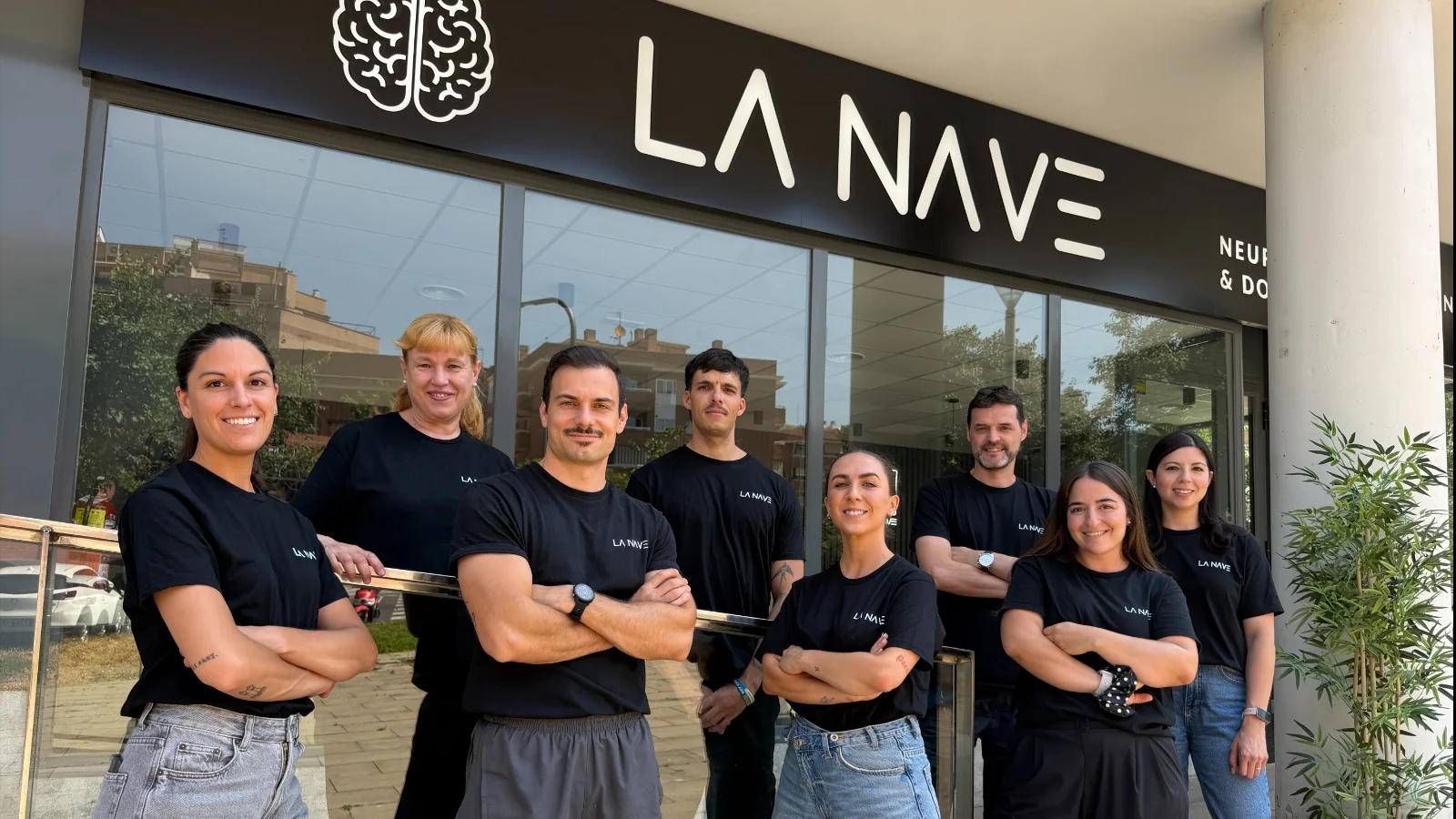
LA NAVE Multidisciplinary Team
Learning to walk again, regaining speech, or holding a spoon can become the impulse that triggers new changes in the brain for people with neurological conditions. Increasingly, specialists highlight the role of motivation and emotional connection in the recovery of individuals with brain injuries. At LA NAVE, Rocío Caulín and Lucía Morant, along with their multidisciplinary team, are developing a person-centered therapeutic approach that is engaging and far removed from the concept of disability.
Related topics
MotivacióNeurorrehabilitacióIctusEsclerosi MúltipleLesió Medul·larFisioteràpiaLogopèdiaPsicologiaDopaminaBarcelonaEsplugues de LlobregatRehabilitació NeurològicaELAParàlisi FacialLA NAVERehabilitació Vestibular
Related News