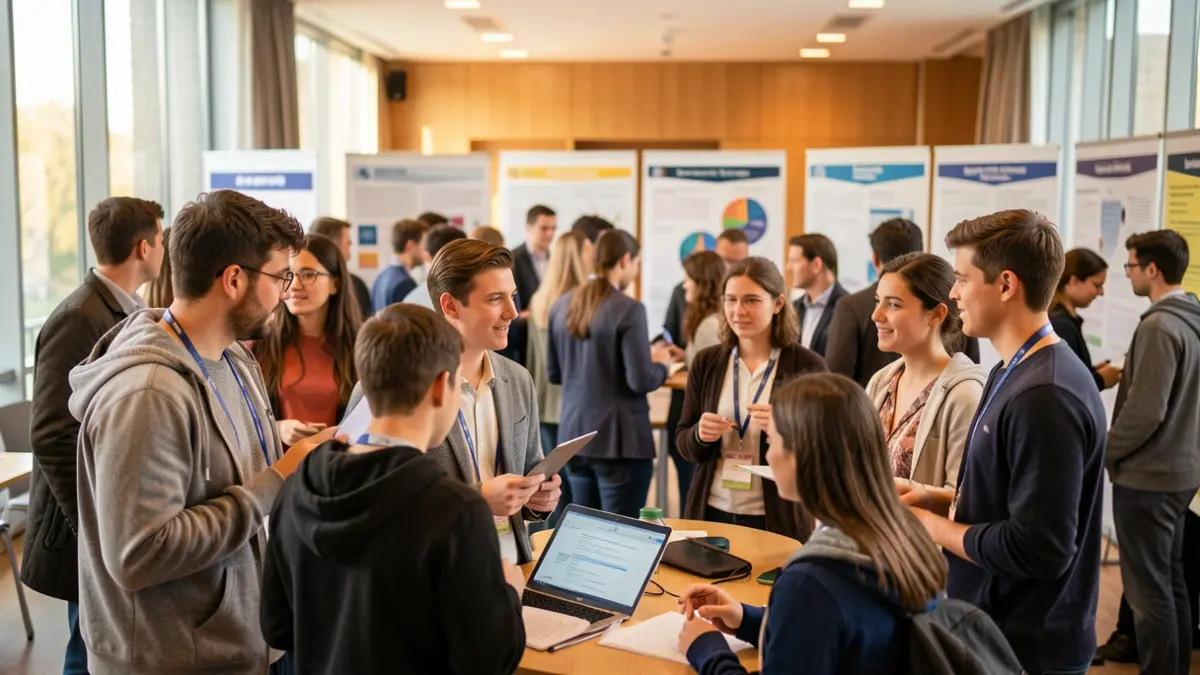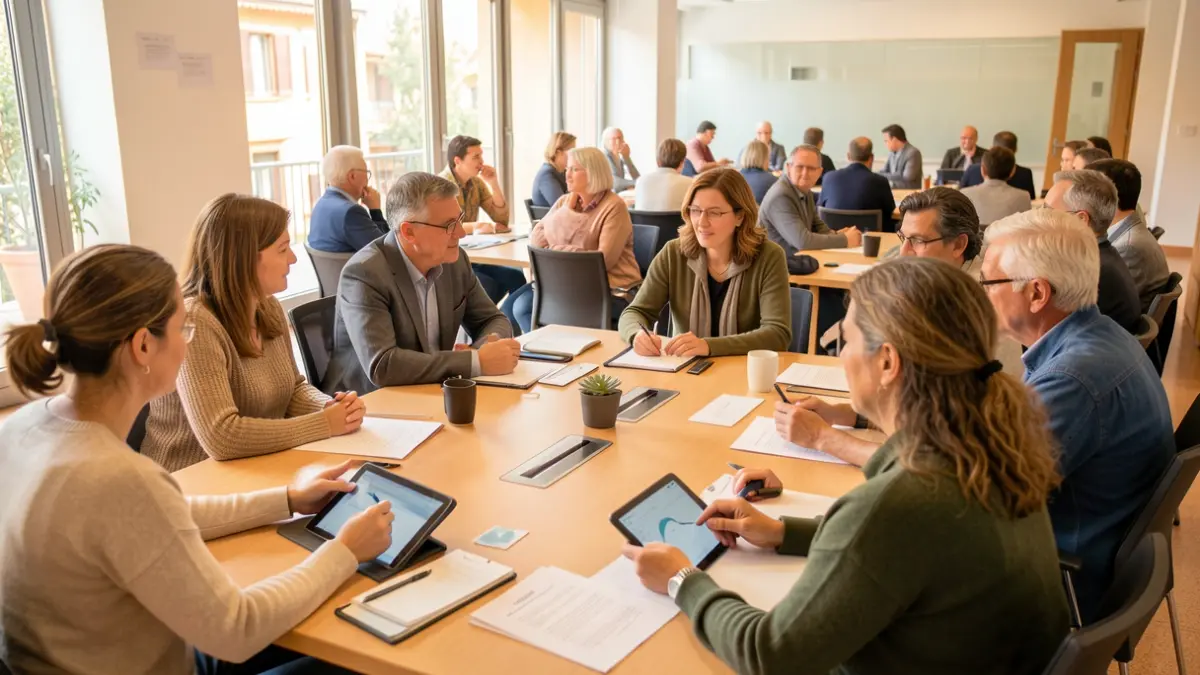
The 2026 Mental Health Week served as the backdrop for the "Intellectual Disability and Mental Health: People, Rights, and Support" event, organized by the Parc Sanitari Sant Joan de Déu. The gathering brought together professionals, organizations, and institutions to discuss current challenges and new care models for individuals with intellectual disabilities and mental health issues. The primary goal was to advance towards more flexible, integrated, and person-centered services, based on rights, autonomy, and the necessary support for a meaningful life project.
The inaugural lecture, delivered by Josep Pifarré, Director General of Sant Joan de Déu Spain, highlighted the sector's transition towards rights-based and relational autonomy models, promoting active participation and comprehensive care connecting health and social spheres. The shift from service-centered approaches to models prioritizing individual needs and life projects was advocated.
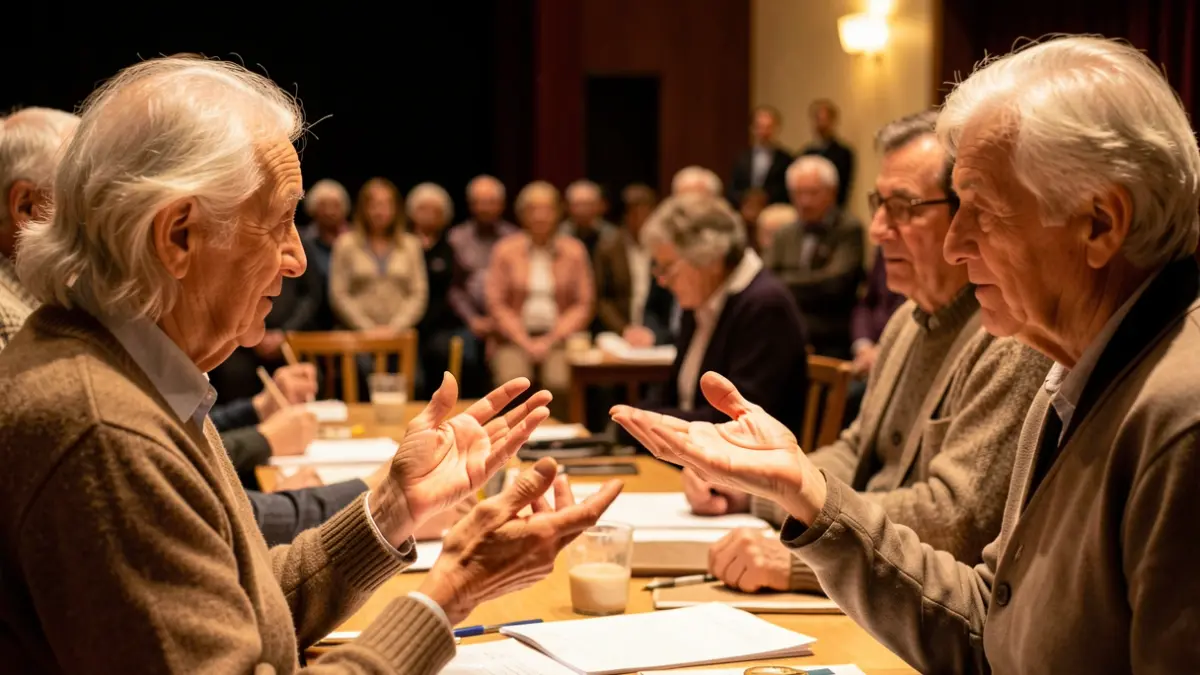
During the first panel discussion, it was emphasized that the exercise of rights depends on available support. Participants highlighted the importance of improving service accessibility, removing administrative barriers, and fostering an inclusive culture. The need to make resources more flexible and adapt them to changing needs, moving beyond paternalistic approaches towards more personalized models, was also stressed.
The second part of the event showcased specific initiatives. Marina Sorribas, PSI-DI case manager and mental health specialist nurse at Parc Sanitari Sant Joan de Déu, presented the Individualized Service Plan (PSI), a community-based case management tool for individuals with high-complexity intellectual disabilities, adapting health and social resources to individual needs.
Neurologist María Carmona, from the Memory Unit and Down Alzheimer Unit at Hospital de la Santa Creu i Sant Pau, discussed the challenges of detecting cognitive decline in individuals with intellectual disabilities, particularly those with Down syndrome. She underscored the importance of identifying changes from a person's usual functioning and adjusting support to maximize their abilities, autonomy, and social participation.
The Recupera’t Unit, presented by Helena Rosell, occupational therapist at Parc Sanitari Sant Joan de Déu, supports young people with intellectual disabilities and complex clinical situations through an interdisciplinary model involving families, support networks, and the community, aiming to promote recovery and foster more autonomous and inclusive life projects.
Technology as an ally for inclusion was another key topic. Jesús Puente, from the Fundación Juan Ciudad, demonstrated applications that aid learning, communication, employment, and the exercise of rights. He noted that technological solutions must be tailored to the specific needs of each individual and their context.
The event concluded with a shared conviction: building a more inclusive society requires combining knowledge, innovation, and collective commitment to ensure individuals with intellectual disabilities can exercise their rights equally and with lifelong support, inspiring the new care models being developed at Parc Sanitari Sant Joan de Déu.