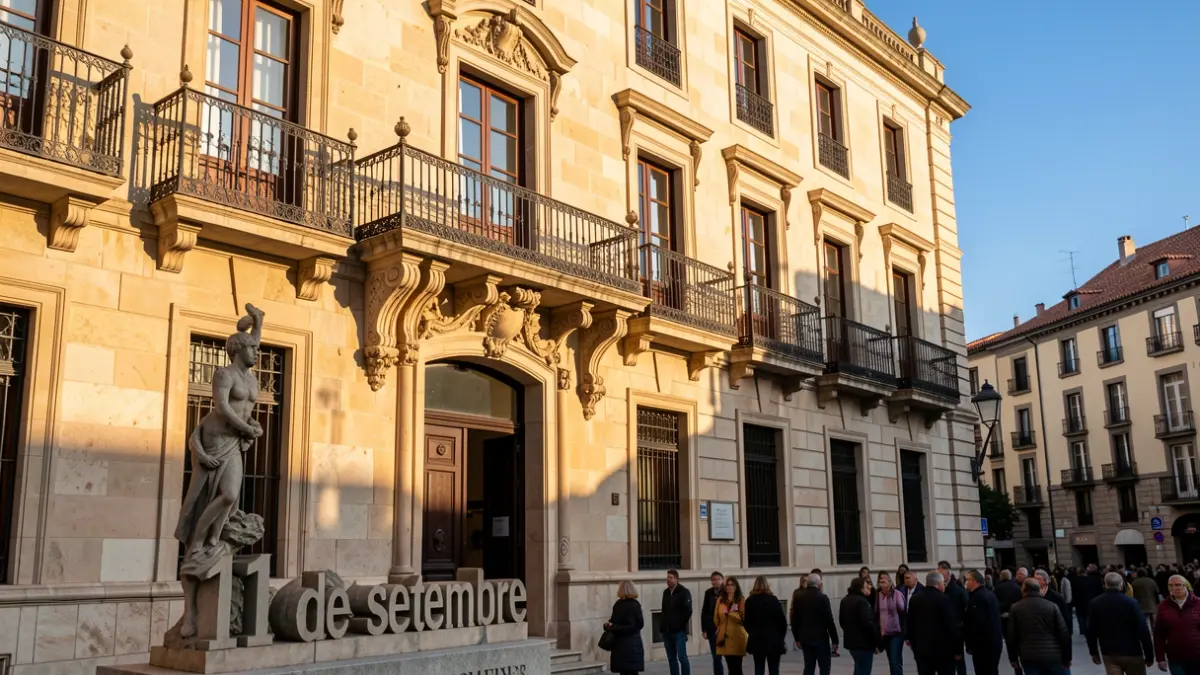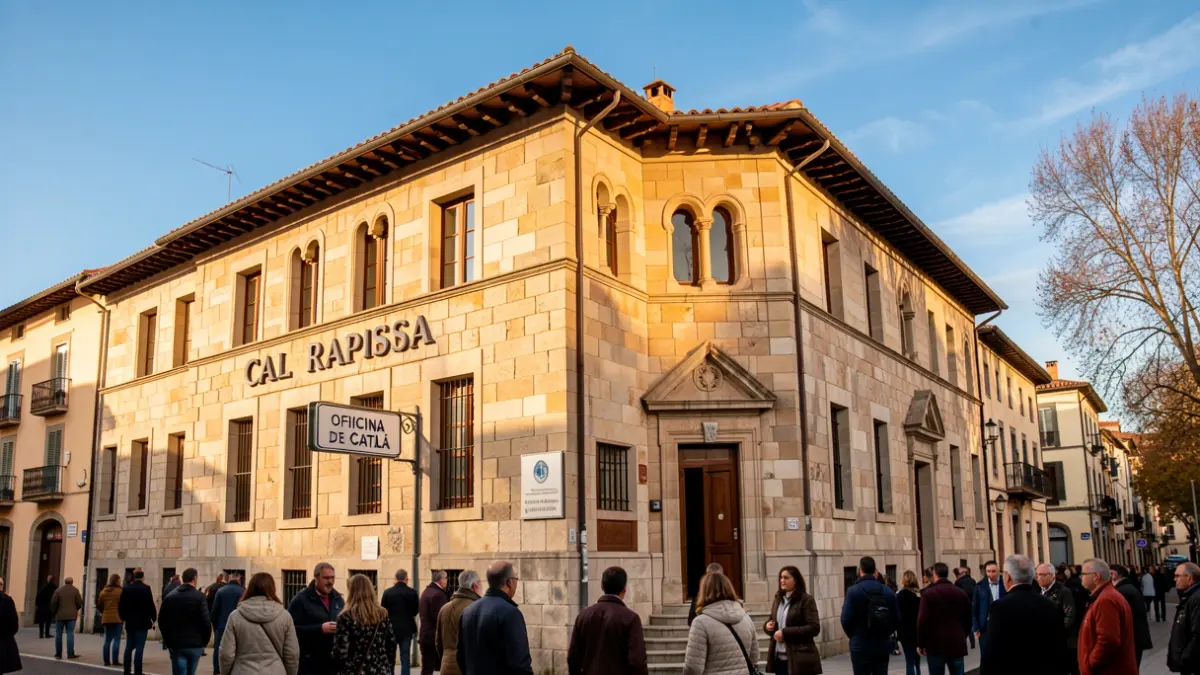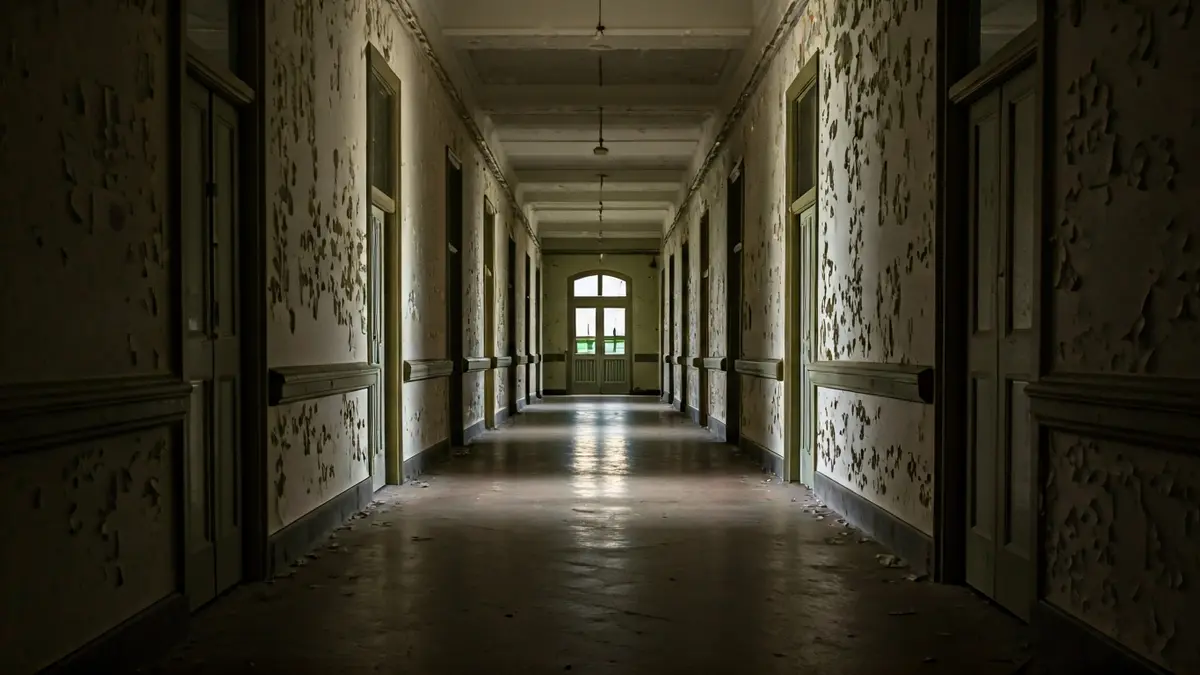
The two-year study, promoted by the Directorate General of Democratic Memory, highlights that psychiatric patients were one of the most unprotected and forgotten groups during the conflict. The research began almost two decades ago when Carles Serret, historian and head of the Sant Boi Municipal Archive, detected a significant increase in deaths at the Sant Boi de Llobregat psychiatric hospital while reviewing cemetery documentation.
The collected data confirm that the situation was not limited to Sant Boi but was replicated in other large centers such as Salt, the Mental de Sant Andreu, the Municipal Mental Sanatorium, and the Pere Mata de Reus. The lack of food and sanitary resources was a constant, especially from 1937 onwards, with reports documenting malnutrition and severe supply difficulties.
“"The inmates of Catalan psychiatric hospitals were the most vulnerable during the Civil War and the last to receive aid."
Overpopulation further exacerbated the humanitarian crisis. From 1938, centers such as the Barcelona Mental Sanatorium or Reus were evacuated to become military hospitals, transferring patients to already saturated institutions. This concentration of people, coupled with the prioritization of supplies to the front, led to a generalized collapse and a sudden increase in mortality.
The study's objective is to repair and make visible these events, which have remained unseen for years, and to help reduce the stigma associated with mental health. In Sant Boi, where 3,160 deaths were recorded in three years and a large mass grave exists, the installation of a recognition plaque is planned. This initiative seeks to dignify the memory of the forgotten inmates and offer a response to families who for decades have lived with the silence of this part of their history.