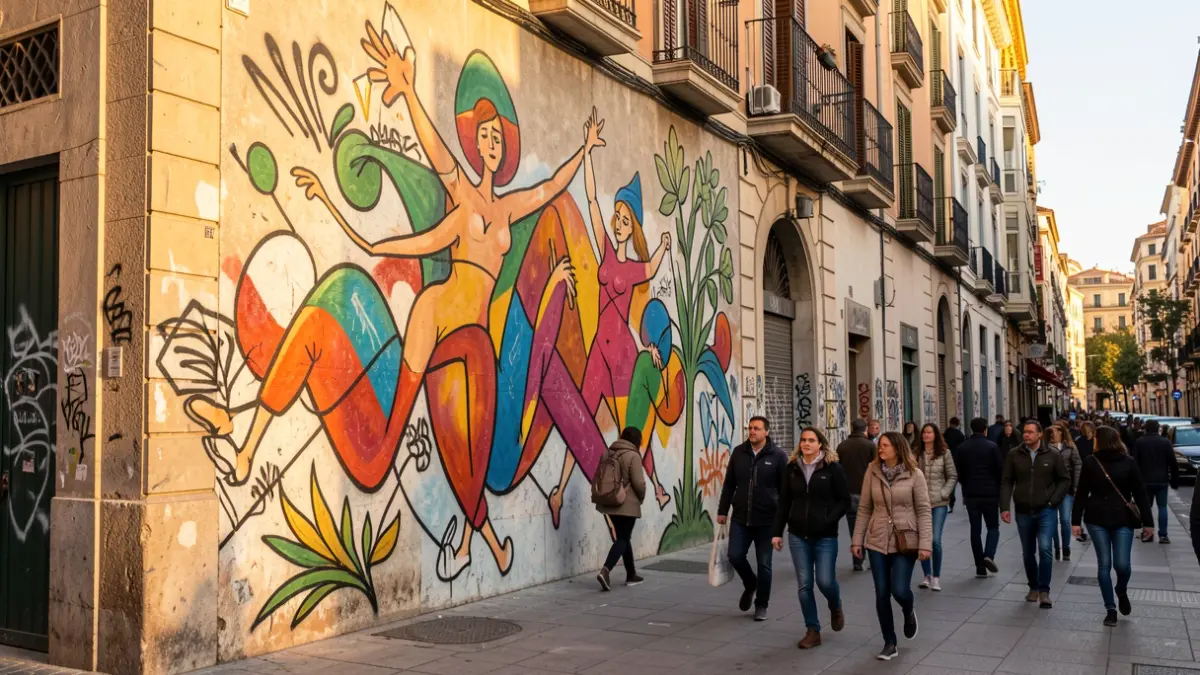
Barcelona will transform into a major drawing hub on October 17th and 18th with the new edition of Barcelona Dibuixa. The festival invites citizens to experience drawing as a tool for thinking, moving, and inhabiting the city. This year, the festival will feature 48 venues, 48 artists, and 46 activities, reinforcing its innovative character with proposals that expand the boundaries of drawing and place it in dialogue with other creative disciplines.
One of the main novelties is the incorporation of nine new venues, extending the festival's presence in the districts of Gràcia, Sant Andreu, and Sants-Montjuïc. Among the new spaces are the Biblioteca Ignasi Iglésias – Can Fabra, the Biblioteca Jaume Fuster, the Canòdrom, the Ateneu d’Innovació Digital i Democràtica, the Espai Canals Junyer, the Centre Cívic El Sortidor, the Espai Jove La Fontana, the IED – Escola de Disseny, and Fabra i Coats. Museu d’Història de Barcelona. The festival thus continues to spread across the territory, consolidating a network of spaces that invite experimentation and the creation of new ways of drawing.
The city and architecture take on special prominence as thematic axes, inviting observation, interpretation, and rethinking of the spaces we inhabit through drawing. This perspective unfolds in venues such as IED Barcelona, Biblioteca Jaume Fuster, Escola d’Art Llotja, the Mies van der Rohe Pavilion, the Col·legi d’Arquitectes de Catalunya (COAC), the Centre Obert d’Arquitectura, and the Museu Nacional d’Art de Catalunya (MNAC).
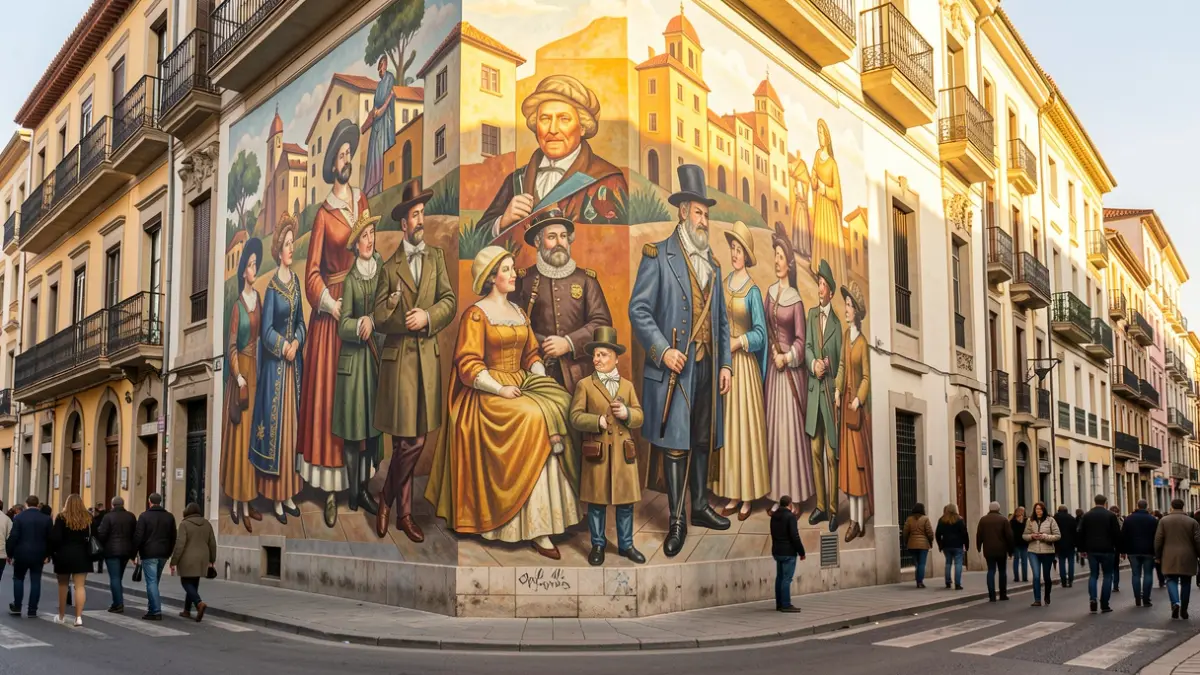
The 2026 program brings together artists from diverse generations and backgrounds. Practices from muralism, urban art, contemporary art, illustration, comics, and graphic narrative will coexist, alongside works addressing current social issues. Among the highlighted names are Sixe Paredes at the Museu d’Història de Catalunya, Rocío Quillahuaman at the Museu Etnològic i de Cultures del Món, and Eva Fàbregas at La Fabra Centre d’Art Contemporani.
Also participating are Clara Nubiola at La Model, Maria Picassó Piquer at the Centre Cívic El Coll i La Bruguera, Marc Torices at the Biblioteca Ignasi Iglésias – Can Fabra, Sabine Finkenauer at the Museu Can Framis, Alberto Feijóo Rodríguez at the Fundació Joan Miró, Marina Sáez at the Museu Picasso de Barcelona, and Nadia Hafid at the Museu d’Història de Barcelona – El Born.
The festival also explores intersections between drawing and the body, movement, or walking. The Centre de les Arts Lliures – Fundació Joan Brossa presents Danses romàntiques – Antena fantasma by Montdedutor, and the Museu Picasso invites exploration through Dibuixar caminant by contemporary artist Marco Noris. Photography dialogues with the line at Fundación MAPFRE with Traços Visuals by artist and photographer Paula Artés. At the Hivernacle del Museu de Ciències Naturals, artist, muralist, and mediator Aleix Font Arroyo presents L’arbre que volia viure dins una parada d’autobús, and at Espai Jove La Fontana and Espai Avinyó, Glendis López proposes Estampar el relat, a screen-printing project addressing intercultural dissidence.
For the second year, Barcelona Dibuixa strengthens its cultural and artistic mediation line, with collaborative work processes involving schools, social entities, and local residents. This edition features 11 collaborating entities aiming to reach new audiences and territories, moving towards a more participatory, diverse, and inclusive festival.
The poster for Barcelona Dibuixa 2026, created by Camille Vannier, is an invitation to draw fearlessly, celebrating spontaneous gesture and the value of error. Vannier, who studied graphic arts and textile design, has collaborated with magazines like Vice and illustrated book covers for publishers such as Anagrama and Lumen.