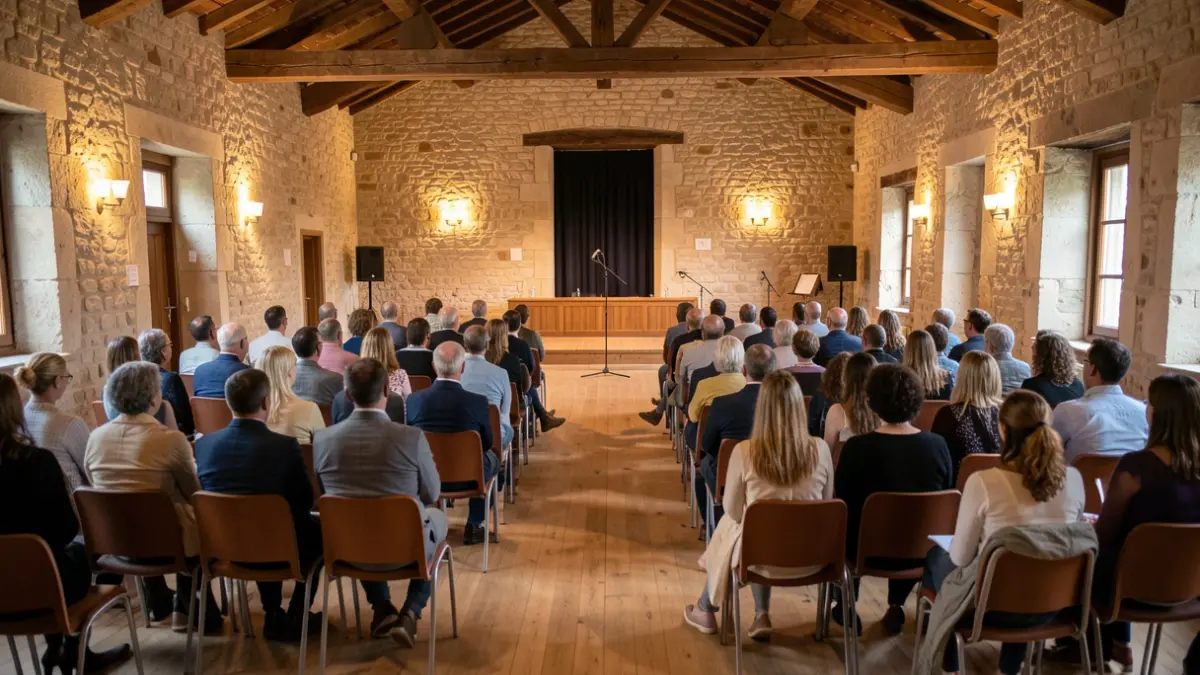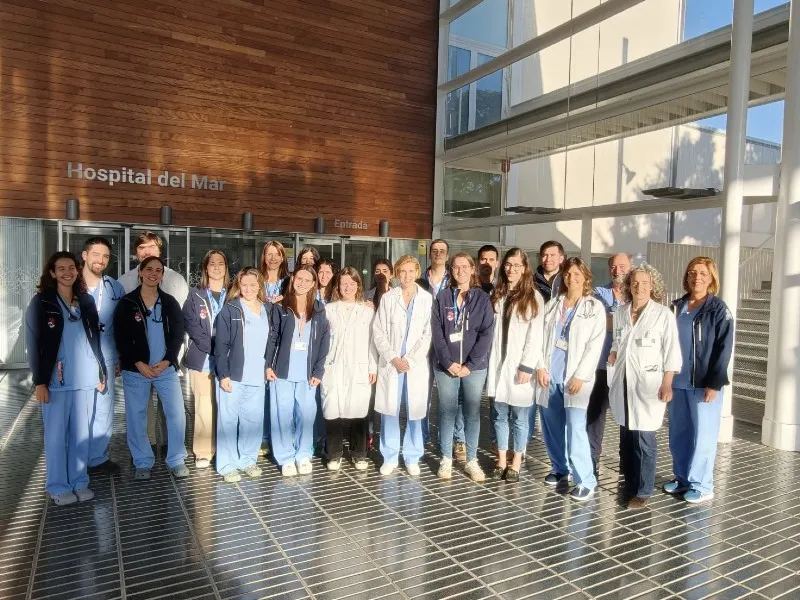
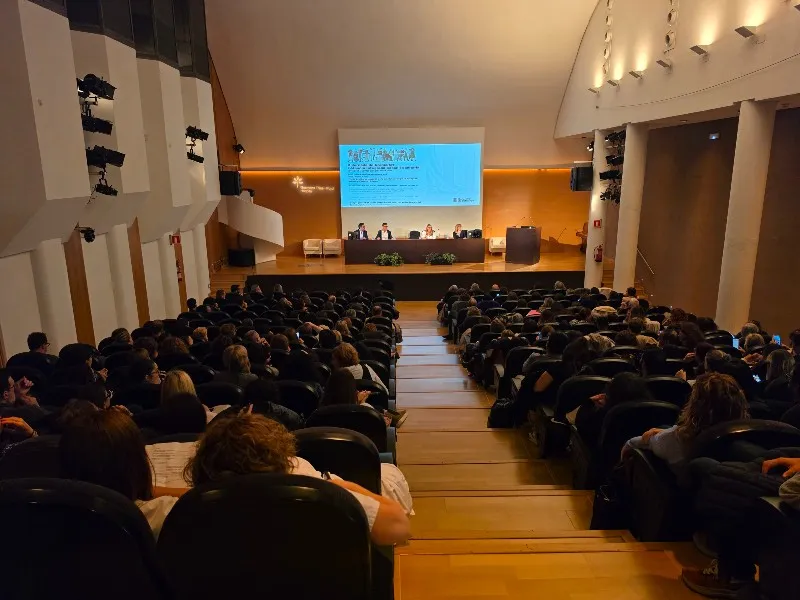
The meeting focused on the need to continue advancing towards a model capable of anticipating the needs of people with chronic diseases, frailty or complex situations. The aim is to guarantee a coordinated response between the different professionals and devices that treat them, changing the current paradigm: «We are the ones who must organise ourselves around people, not people who must adapt to the system», stated the Region's General Manager, Candela Calle, at the opening of the session.
During the morning, the meeting allowed participants to learn about experiences already being developed in the Metropolitan North and best practices among professionals and organisations. A first panel addressed the shift from a reactive model to a preventive and proactive one, presenting projects such as the ProFràgils strategy to offer integrated care to frail elderly people, coordination formulas to guarantee 24/7 care from primary care, and innovative methods to train professionals.
In the second panel, discussion centred on how to improve the management of complex and advanced chronicity, highlighting the role of clinical nursing and the treatment of frail patients in the new Integrated Health Area of Vallès Occidental. Nursing homes were the protagonists of the third panel, where initiatives were explained regarding patient identification, monitoring tools and the use of the Primary Care Clinical Station.
Finally, the role of the primary care pharmacist within multidisciplinary teams was addressed, presenting a decalogue of best practices in the management of polypharmacy in frail patients. The second edition of this meeting continues from the first held in October 2025 in El Masnou, allowing progress to be highlighted and pending challenges to be identified.
“"These working spaces are particularly relevant in a Region like ours with multiple providers and care facilities and with diverse territorial realities"
Care for chronicity is a priority for the Region, where nearly 80,000 people are currently identified as complex chronic patients, representing 4.4% of the population, a percentage slightly higher than the Catalan average. In the last two years, the Metropolitan North has promoted actions to strengthen care, notably the deployment during 2026 of five territorial chronic care routes: Barcelonès Nord, Maresme, Vallès Oriental, Vallès Occidental Est and Vallès Occidental Oest.
The routes, jointly developed by the different providers, establish shared circuits so that professionals can identify and assess patients and determine the most appropriate response. They also specify how to act in the event of a crisis or decompensation and how to guarantee a safe transition when a person moves from one care resource to another. The final objective is for primary care, hospitals, intermediate care, nursing homes and social services to function as a single care network.