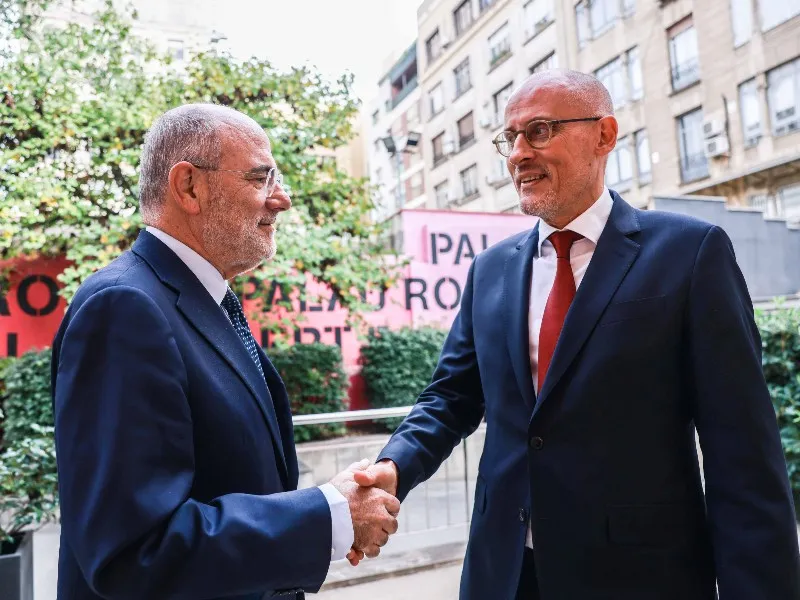
The meeting, titled 'Denmark-Catalonia Dialogue on Europe's Main Challenges: How to Combine Competitiveness, Innovation, and Resilience with the Energy Transition', brought together institutional and business representatives from both territories. The event began with welcome remarks from the Danish ambassador, Michael Braad, and the Secretary General of the Department of European Union and External Action, Lorena Elvira.
The conference focused on three round tables: the potential of green hydrogen and Power-to-X technologies for decarbonizing industry and transport; biogas in the agri-food and gas sectors; and building renovation. The Minister of European Union and External Action, Jaume Duch, highlighted that the energy transition is a policy of industrial strength, security, and European sovereignty, and that decarbonization and competitiveness must advance together.
Duch emphasized the need to strengthen the EU's economic base, deepen the single market, facilitate investment and business establishment, and accelerate knowledge transfer. He also noted that Catalonia has great potential in renewable energies and that Denmark is a benchmark in this field.
Examples were presented, such as the industrial-scale production of green fuels in Kassø (Denmark) and the Cobirgy project in la Noguera, a Danish investment to process livestock waste with a biogas plant. The joint work on building and renovating efficient buildings was also discussed. The minister valued these experiences as economic opportunities and expressed the desire to turn today's contacts into new projects.
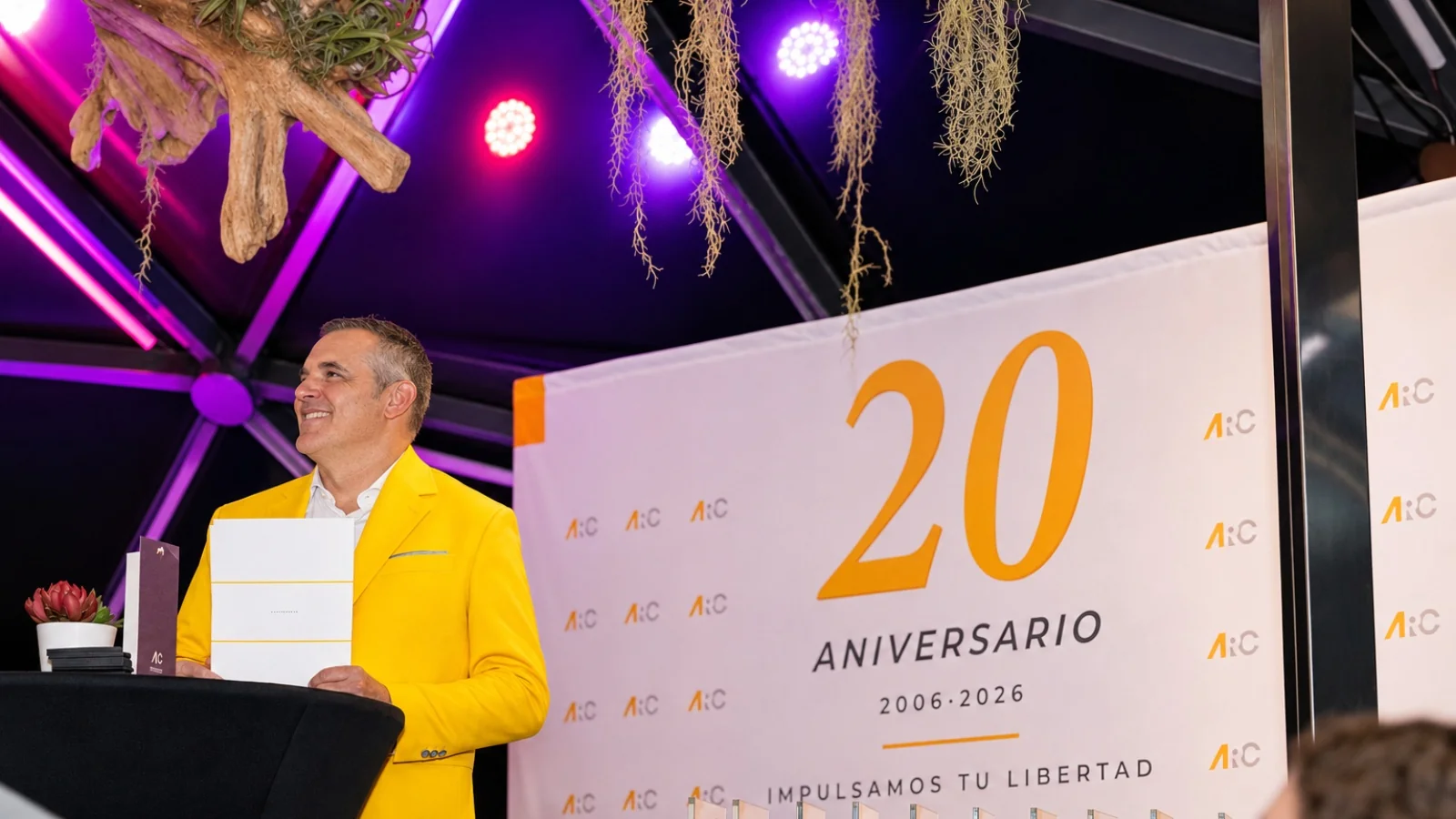
The event concluded with remarks from Joan Romero, executive director of ACCIÓ. Previously, Frederik Thure, attaché for the Danish Energy Agency at the Embassy of Denmark in France, had delivered the presentation 'The energy transition in Europe: the case of Denmark'.
Participants in the round tables included representatives from institutions such as the Directorate General of Agriculture and Livestock, the Directorate General of Housing, the Catalan Institute of Energy, ACCIÓ, the Port of Barcelona, the Cluster of Efficient Energy of Catalonia, the Cluster of Bioenergy of Catalonia, the Research Institute of Energy of Catalonia, and the Vall Companys Group, as well as representatives from Danish companies such as European Energy, Copenhagen Infrastructure Partners, the Rockwool Group, and the Bjarke Ingels Group.