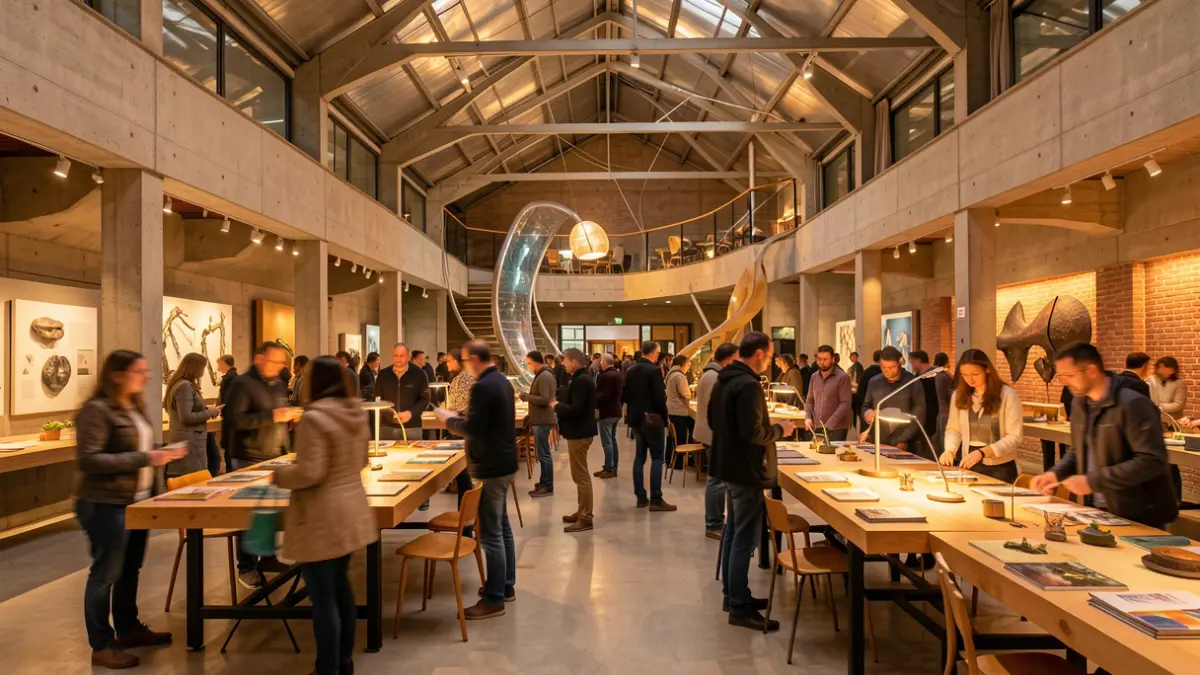
The Generalitat de Catalunya was present this week in Brussels, participating in the Connecting Europe Days 2026, the main European event on transport and mobility. In this context, Catalonia, together with the regions of Occitania, Provence-Alpes-Côte d'Azur, and Liguria, presented the Via Mediterra initiative. This alliance aims to strengthen institutional and territorial cooperation for the Mediterranean railway Corridor.
The event was attended by the Secretary of Mobility and Infrastructures of the Generalitat, Manel Nadal, accompanied by the Vice-President of the Occitania Region, Jean-Luc Gibelin, the Vice-President of the Sud Region, Jean-Pierre Serrus, representatives from the Liguria Region, and the European Coordinator for the Mediterranean Corridor, Mathieu Grosch.
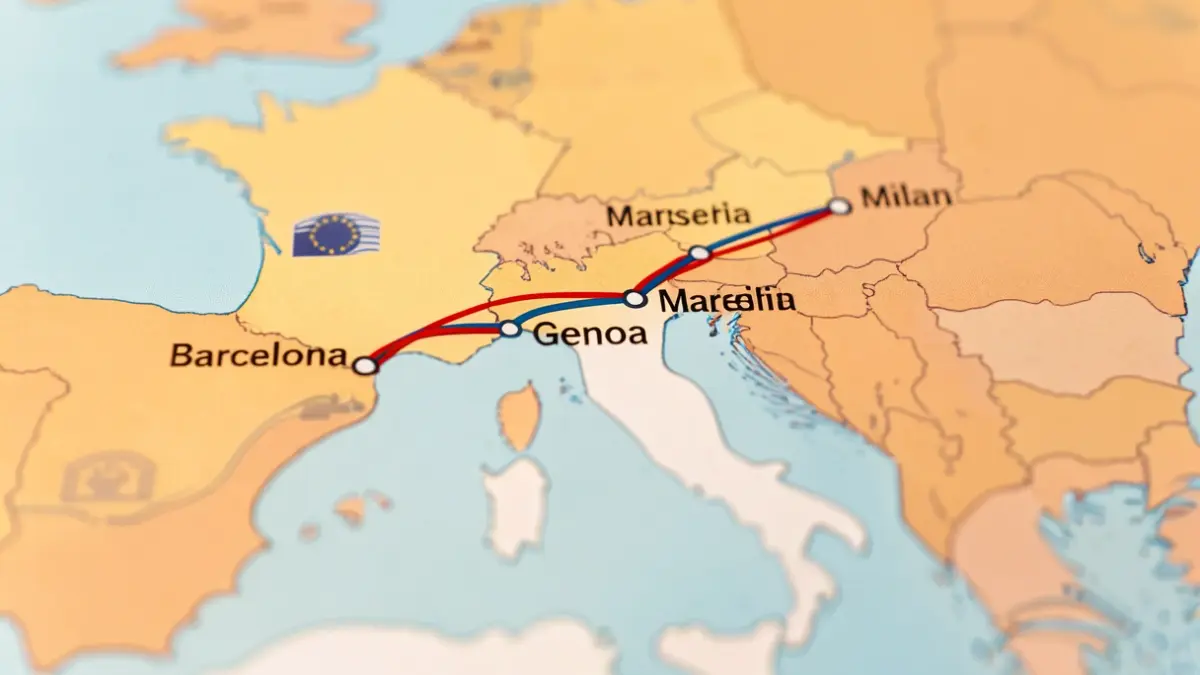
Via Mediterra is established with the objective of consolidating a major Mediterranean railway arc that efficiently connects cities such as Barcelona, Valencia, Marseille, Nice, Genoa, and Milan. The proposal advocates for an interoperable, resilient infrastructure prepared for both passengers and freight, promoting rail as a sustainable alternative to road transport and enhancing the connection of Mediterranean ports with European markets.
“"The Via Mediterra initiative reflects a shared will of the Mediterranean regions to move towards a more integrated, efficient, and competitive railway network. We need a fully interoperable corridor that connects people and goods along the entire European Mediterranean arc."
The four regions have conveyed a joint position to their European partners to advocate for an efficient and resilient cross-border railway network. They emphasized the need to accelerate pending actions on the Mediterranean Corridor, particularly the development of new railway lines in southern France, which are crucial for the continuity of the railway axis between the Iberian Peninsula and the rest of Europe.
Secretary Nadal highlighted the importance of an international gauge (UIC) line dedicated to freight transport between Vilamalla and Portbou, separate from the high-speed line through the Perpignan tunnel. According to his explanation, this action would increase the capacity of international rail connections, improve the competitiveness of rail freight transport, and strengthen the strategic role of the Mediterranean Corridor, in addition to reducing greenhouse gas emissions.
This initiative continues the previous cooperation between Catalonia, Occitania, Provence-Alpes-Côte d'Azur, and Liguria, including the meeting in Perpignan in February 2026 and joint work on infrastructure resilience against climate change.