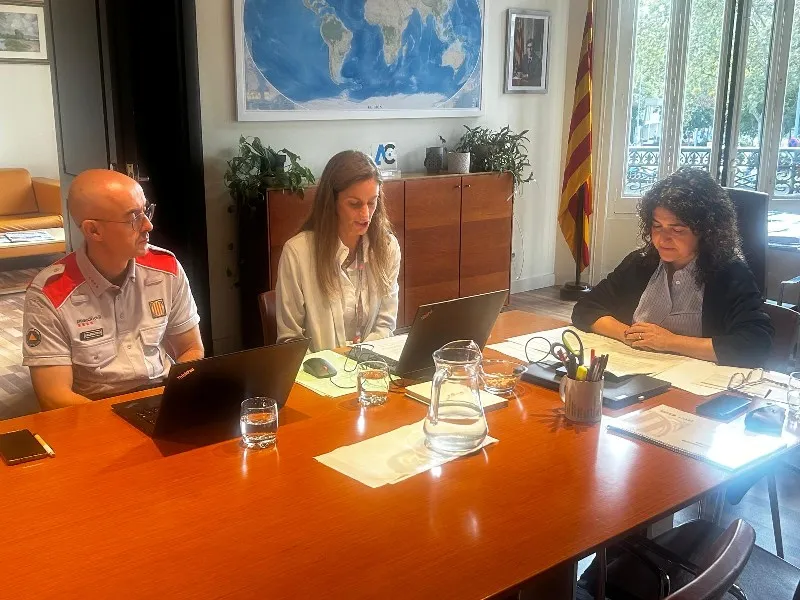
The Minister of Agriculture, Òscar Ordeig, announced that the results of this genetic comparison are expected later this week and could be key to clarifying the origin of the infection detected near the Universitat Autònoma de Barcelona (UAB).
“"These are two different and complementary processes."
Ordeig stressed that this genetic analysis is independent of the biosafety audit currently underway at CReSA and other research centers, which aims to review protocols, facilities, and work circuits to ensure compliance with all guarantees.
In parallel, the Government will approve on Tuesday the creation of 30 new positions for specialized wildlife control technicians. This measure seeks to reinforce the surveillance, capture, and control of wild boars, both for the current outbreak and to address the structural overpopulation of the species.
The CReSA, located on the UAB campus in Cerdanyola, is a reference center for research into infectious animal diseases, such as African Swine Fever, and has high-biosecurity facilities (Level 3) to work with high-risk pathogens.