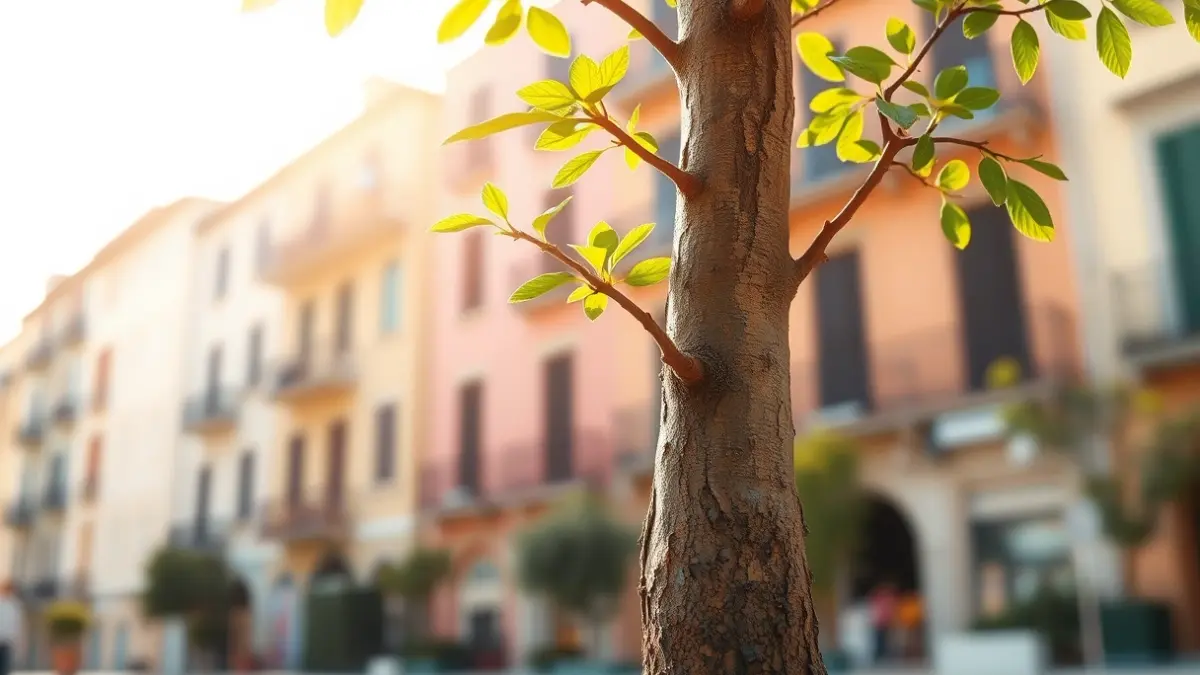
The Catalan capital and other metropolitan areas face challenges in reforesting their green spaces after two years of water restrictions. The drought, which affected the region between February 2023 and April 2025, led to the loss of numerous trees, including some 7,500 in Barcelona alone.
Once water consumption limitations were lifted, city councils drastically increased their orders to Catalan nurseries to replace damaged vegetation. By the end of 2025, Barcelona had already replaced 5,200 trees, and by the end of April, the figure was close to 7,000, almost 93% of the lost specimens. However, full replacement has been hampered by supply shortages.
“"We have supply problems; we are trying to buy, but they do not supply us with all that we order."
This situation is due to several factors. On the one hand, the drought also affected nurseries, causing the death of many specimens. On the other hand, the simultaneous demand from all city councils has led to a scarcity of certain tree varieties and sizes, especially those with thicker trunks (from 18 or 20 centimeters in diameter), which require more years of growth.
“"There has been a problem of lack of stock for some varieties, and in some cases, they have run out."
Among the most requested varieties are the Montpellier maple, the hackberry (which requires little water), the yew, and the common maple. The lack of prior planning by nurseries, which take risks in production without guaranteed demand, also contributes to this situation. Furthermore, increased production costs have driven up plant prices.
The need to reforest with large trees responds to aesthetic criteria and resistance to vandalism. Given the lack of these specimens, administrations are forced to opt for alternative species or smaller sizes. Experts point out that replacing some varieties and sizes can take between three and five years.
Beyond the drought, the increase in orders from municipalities is also explained by the need to change the type of trees due to heatwaves and pollution. Mediterranean varieties such as hackberries and holm oaks are increasingly in demand, even by city councils from other European countries seeking species resistant to high temperatures.