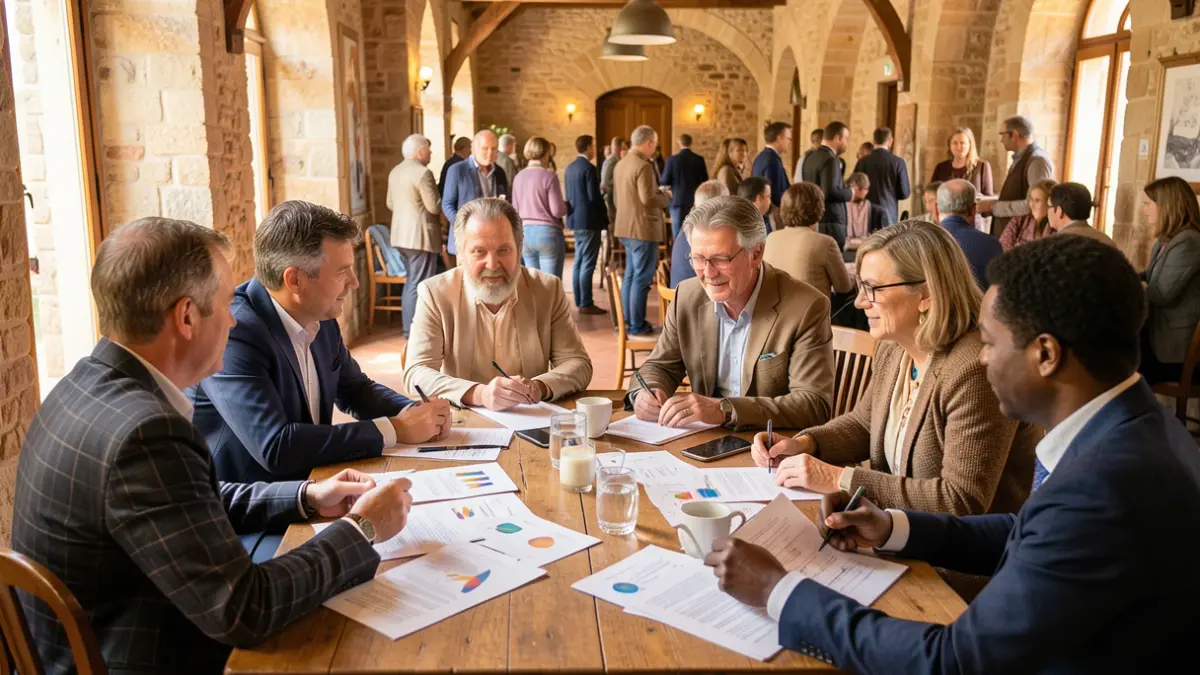
The debate, titled “Present and Future of the Barcelona Model,” brought together experts to analyze the evolution of tourism in the Catalan capital. José Antonio Donaire, Barcelona's Tourism Commissioner and raised in Sant Feliu de Guíxols (Baix Empordà), was one of the main speakers, alongside journalist Miquel Molina.
The discussion tackled the current paradox of tourism: while visitor numbers reach historic highs, social rejection of this activity is growing. Donaire emphasized that tourism, once seen as a positive concept, has become a factor in the “defeat of the city” when taken to extremes, especially in the context of “fast look” tourism.
“"Tourism is a will for the horizon. Tourism was for a long time a positive concept. It is born as a defeat of the city."
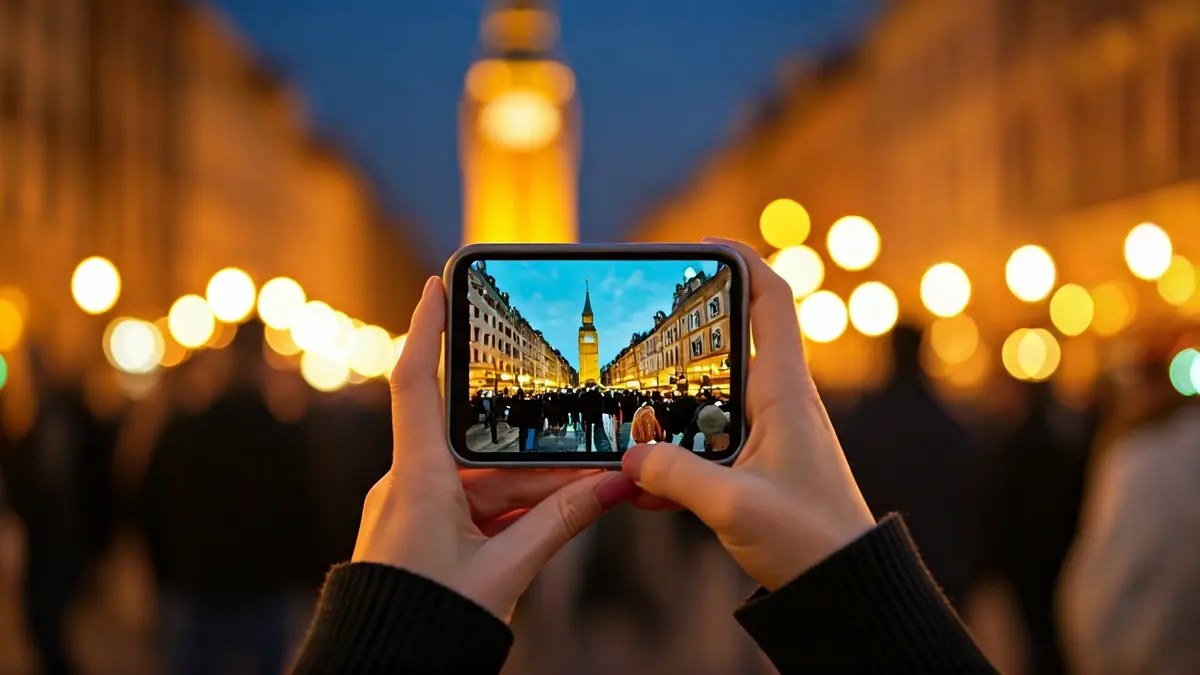
The “fast look” concept describes a type of visitor with limited time who follows pre-established routes to get the “Instagrammable” photo of iconic places, without delving into the local experience. This trend, according to Donaire, can lead to a “fossilization” of the city's representation, where the destination is chosen for its preconceived image rather than its reality.
To counteract these effects, it is proposed to limit and manage tourist growth, seeking longer stays that allow visitors to discover the city beyond the obligatory tourist spots. Furthermore, the importance of residents feeling that the urban space belongs to them and that tourists perceive a city that functions independently of their presence was highlighted.
“"The citizen must have the feeling that all parts of the urban fabric belong to them. Tourism will always exist in the city, and our job is to harmonize it with the lives of its residents."
Donaire concluded that the balance between “the port and the square” is fundamental: a city needs to open up to the world (the port) but also maintain its identity and spaces for residents (the square). He warned that a Barcelona without tourists is a pipe dream, and the goal is to harmonize tourism with the lives of its inhabitants.