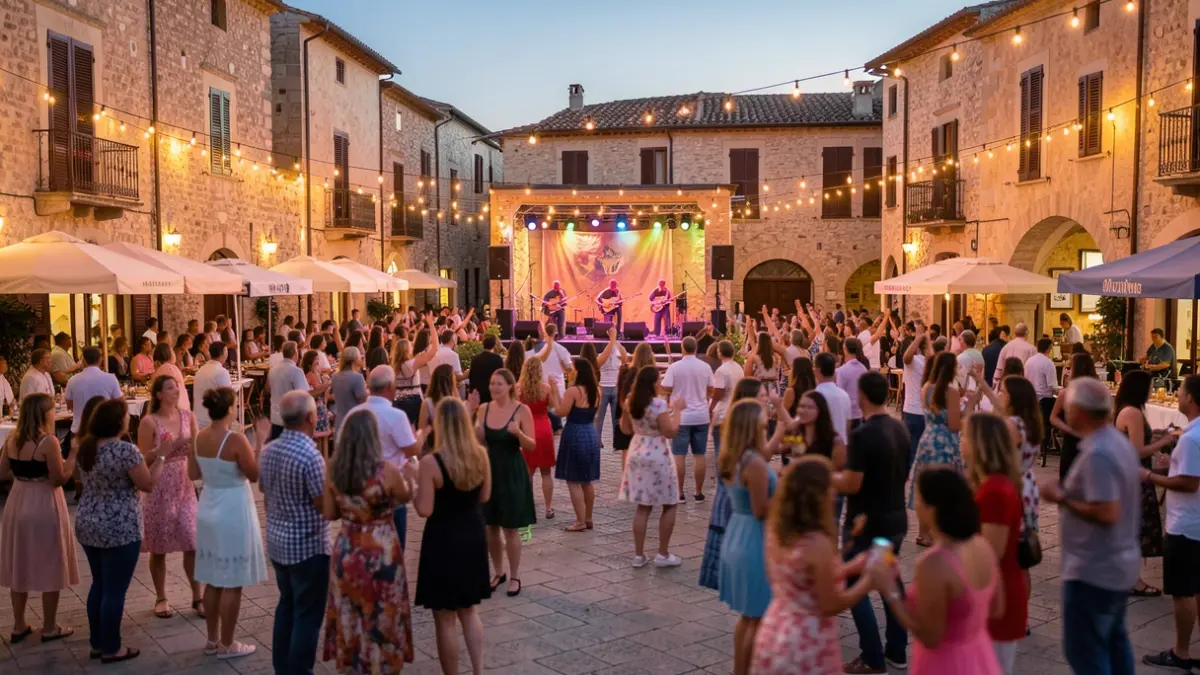
The event, under the theme Desencadenar el present (Unleashing the Present), explored issues such as the housing crisis, climate emergency, border fragility, racism, the situation in Gaza, and the narrative strategies of fascism. The closing took place at the CCCB with readings of letters exchanged by international writers.
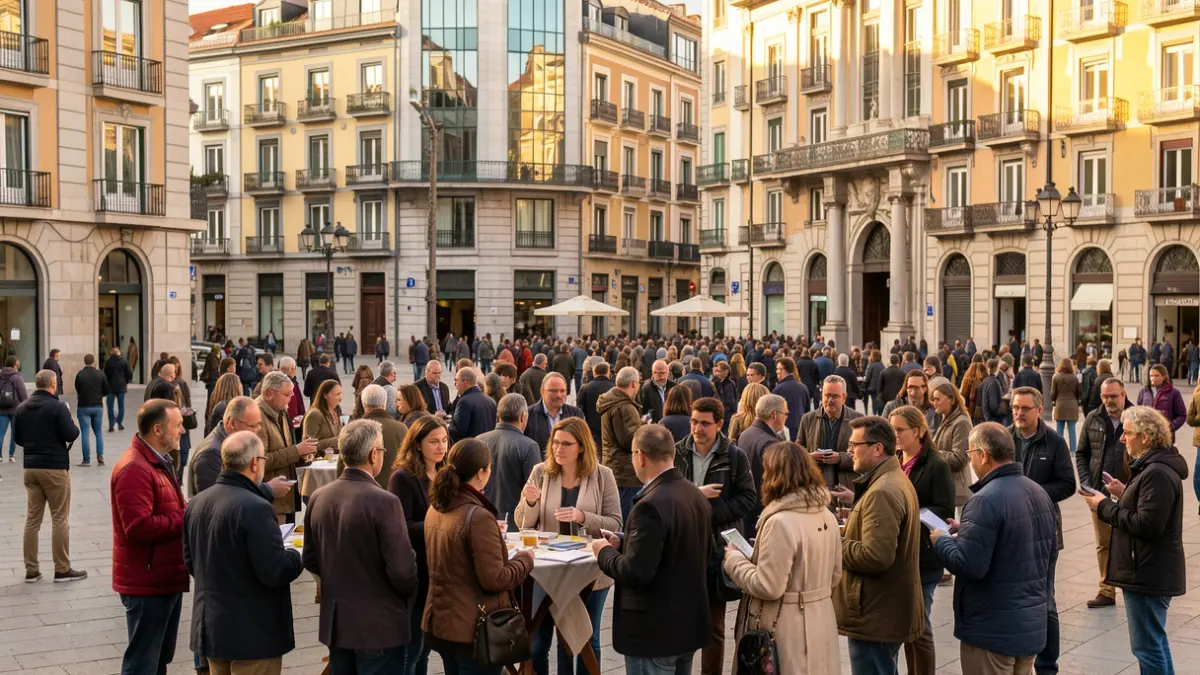
Curated by a team including representatives from the CCCB, ISGlobal, and La Sullivan, the Biennial highlighted the diversity of audiences and participants, and the citizens' will to engage in public debate. Elisabet Goula, curator for the CCCB, positively assessed the public's response and the quality of the shared reflection, which ranged from global issues to everyday concerns.
Rafael Vilasanjuan, curator for ISGlobal, emphasized the Biennial's ability to attract a diverse audience, addressing both global topics like immigration and climate crisis, and everyday issues related to the economy and digital platforms.
The program connected issues such as democracy and authoritarianism, wars and memory, migration and identities, inequalities, and work transformations. It embraced a coexistence of different languages and disciplines, incorporating literature, theater, cinema, music, and arts as forms of knowledge.
The Biennial introduced new venues like the plaça Major de Nou Barris and the umbracle at plaça de les Glòries, in addition to the usual sites such as the CCCB and La Model. Despite the need to relocate some activities due to a weather alert, public attendance remained strong.
With five editions, the Biennial of Thought has established itself as a key space for critical reflection in Barcelona, fostering dialogue between citizens and recognized global figures, and making philosophical thought accessible to everyone.