The Formació i Treball Foundation, established in the early nineties under the umbrella of Cáritas, has become a key driver for accessing the labor market for groups facing difficulties, such as people at risk of exclusion or migrants. In 2024, the entity assisted 3,678 people, of whom 1,653 participated in a labor process: 782 were hired directly and 871 accessed ordinary companies.
“"There is no job insertion foundation in Spain, and I would say not even in Europe, with as many activities and as large a size as ours."
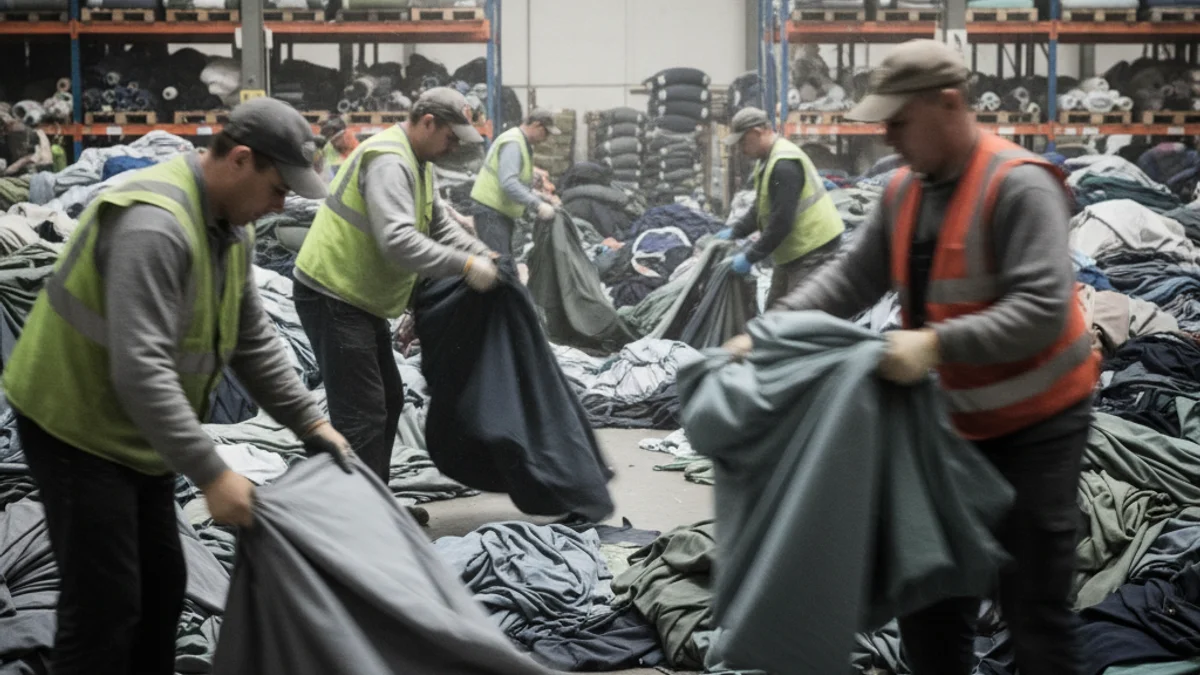
The foundation's business model is based on financial sustainability, achieving 80% self-sufficiency. Its main area of activity is the recycling and reuse of clothing (50% of turnover), managing a quarter of the 11% of clothing recycled in Spain. This activity employs 250 people on insertion contracts and has led to investment in a new textile waste treatment plant in Sabadell.
Other business areas include catering (25% of turnover), with seven restaurants and catering services, and general services (25%), ranging from gardening to managing waste from the Mobile World Congress. The foundation is also a state leader in the regularization of migrant workers, achieving 39 regularizations last year, facilitating access to documentation for those without papers.