The Neonatal Screening Program of Catalonia recently incorporated the detection of X-linked adrenoleukodystrophy (X-ALD), a severe rare neurodegenerative disease. Within two months of its inclusion, the first child affected by this condition has been diagnosed.
The program aims to detect 28 serious rare diseases to initiate early treatments and prevent sequelae. Timely detection of X-ALD allows for close monitoring at the Vall d'Hebron University Hospital, a Clinical Expertise Unit for this disease, improving the patient's and their family's quality of life.
X-ALD is a genetic neurodegenerative disease affecting the nervous and endocrine systems, primarily occurring in boys and men. Its prevalence is one case per 17,000 newborns in Catalonia, with an expected 3 to 6 cases annually. Current treatment for the childhood form involves hematopoietic stem cell transplantation, with new therapies under development.
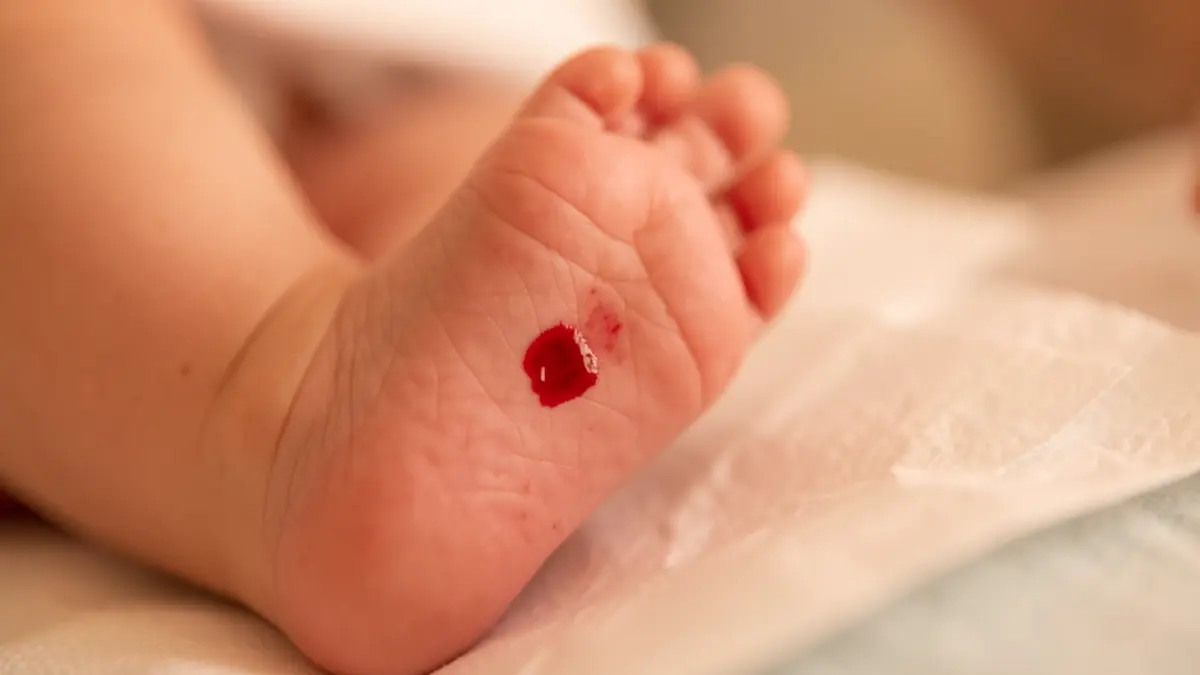
The neonatal screening test is performed using a blood sample from the newborn's heel. In 2024, 54,245 tests were conducted in Catalonia, diagnosing 185 infants. The program is coordinated by the Catalan Public Health Agency and the Catalan Health Service, in collaboration with the Neonatal Screening Laboratory of the Biochemistry and Molecular Genetics Service - IBC of the Hospital Clínic de Barcelona's Diagnostic Centre, and Clinical Expertise Units, such as those at Vall d'Hebron and Sant Joan de Déu Hospital.
Thanks to the newborn's detection, two of his siblings have also been diagnosed before symptom onset, ensuring them early treatment. Dr. Mireia del Toro, a Pediatric Neurology specialist at Vall d'Hebron, emphasizes that this family diagnosis will change the disease's prognosis for all of them.
The genetic nature of X-ALD allows for the identification of other family members carrying the variant. Vall d'Hebron is responsible for family studies, genetic counseling, and monitoring at-risk children.