A decade ago, the then mayor of L'Hospitalet de Llobregat, Núria Marín, presented the Cultural District, which has grown to include over 500 agents and 30 facilities. Now, the arrival of Rosalía, originally from Sant Esteve Sesrovires, drives a significant transformation in this project.
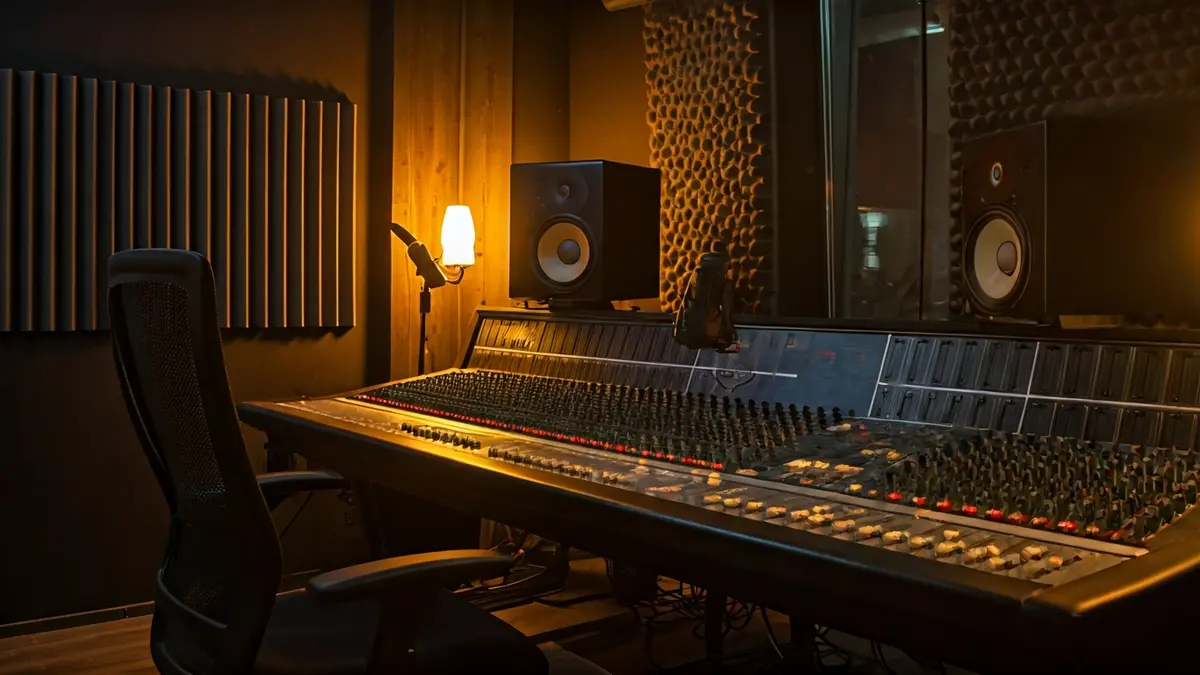
The world-renowned artist has decided to establish her music recording studio and the offices of Racinetas Productions SL near the Fira Gran Via venue in L'Hospitalet. This company, with Motomami SL as its sole partner, manages the bureaucratic and administrative aspects of her career.
“"For us, it is always a source of pride and satisfaction to see artists continue to choose L'Hospitalet, whether they are small artists or emerging entities, or big names like Rosalía."
Rosalía's establishment coincides with the termination of the city council's contractual relationship with Cirque du Soleil, which has been based in the city for the past decade. Mayor David Quirós announced in a recent municipal plenary session that the company will not return to the city after its performances this year.
According to councilor José Antonio Alcaide, the goal is to reclaim the space occupied by the circus for the development of facilities needed by the city. This decision aims to optimize land use and adapt it to the new needs of the Cultural District.
The Cultural District has been built by dozens of artists and managers who found refuge in L'Hospitalet due to high rental prices in Barcelona. Names like sculptor Miquel Aparici and galleries such as Ana Mas Projects or etHall are part of this cultural fabric.
“"Bureaucracy kills us, the system works very slowly."
David Lafuente, co-founder of Sala Salamandra, highlights L'Hospitalet's geostrategic potential but points out the need for a global plan involving all city council areas to overcome bureaucratic slowness. An example is the Village Underground project, which took eight years to materialize.
One of the current challenges is gentrification and rising rental prices, which threaten the permanence of initial projects. Elisabet Parés, a cultural manager, emphasizes the importance of cultural policies at the Catalan level and the need for subsidies to consolidate the sector.
Municipal sources acknowledge concerns about gentrification but argue that the arrival of big names like Rosalía demonstrates that L'Hospitalet is an optimal space for culture, seeking to foster the roots of cultural agents and community development.