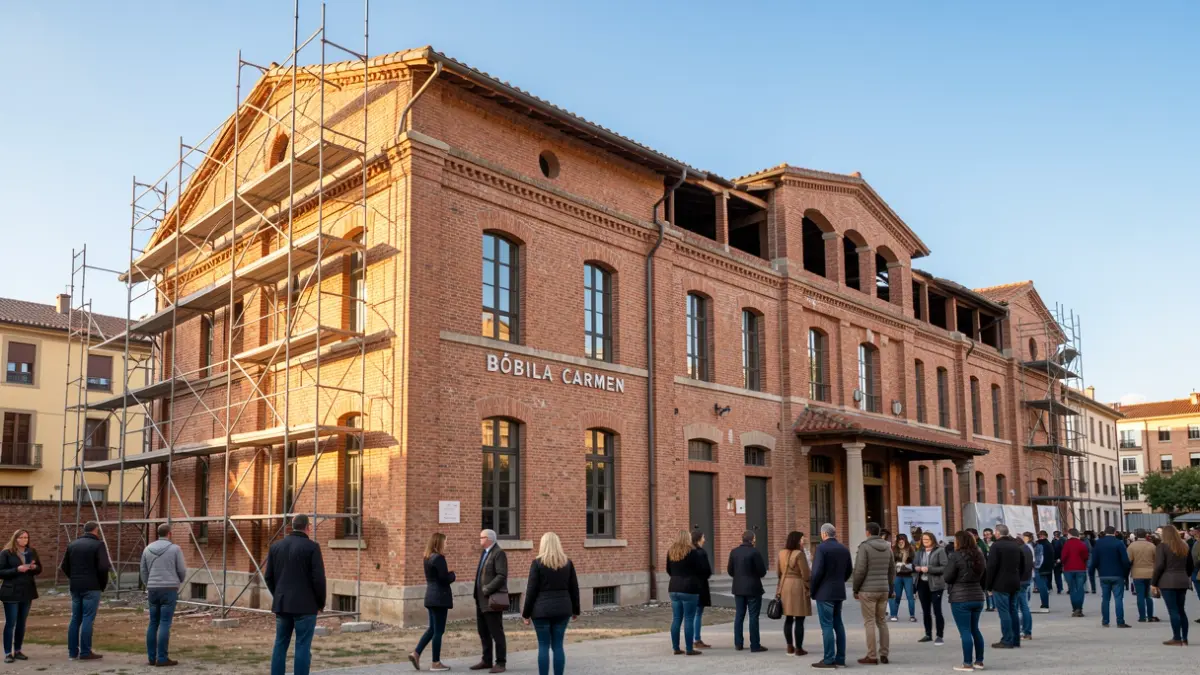
Every morning, dozens of people, mostly young men, gather in the courtyard of the Santa Anna Parish, in the heart of Barcelona, awaiting their turn to access the services offered by the Field Hospital. This initiative, which began in 2017, provides nearly 200 breakfasts daily between 8:30 and 9:30 AM, prioritizing women and elderly or sick individuals.
Under the leadership of rector Peio Sánchez, a team of 406 volunteers and 17 professionals addresses the needs of users. Sánchez emphasizes that many of those who come are young people without documentation who have been on the streets for a short time, with 'a lot of dreams' but facing great difficulties. According to the latest count by the Arrels Foundation, nearly 5,000 people are homeless in Barcelona, and 2,000 of them sleep on the streets, a figure that has increased by 43% since 2023.
“"People come here by word-of-mouth. Those who come are mostly young people sleeping on the street, who have been there for less than a year, and who do not have documentation."
During 2025, the organization assisted 4,005 people, and currently about 1,000 receive some form of support. Daily, some 450 people pass through the soup kitchen for breakfast, lunch, or dinner. In addition to meals, the Field Hospital offers medical consultations, mental health support, job counseling, and social and spiritual accompaniment. About 30 people, including young individuals and women, reside in 'opportunity homes' managed by Santa Anna.
Peio Sánchez laments the growing indifference and aporophobia in society, especially in a city like Barcelona, where the harshness of poverty is often hidden by tourism and commerce. He recalls that the initiative originated during a particularly harsh winter in 2017, when the church doors were opened to offer shelter. The entity's annual budget, approximately one million euros, comes mainly from the Generalitat and the Barcelona City Council, supplemented by funds from private foundations, companies, and donations.
The medical team, with four points of care, includes professionals such as dermatologist Montse Pérez, 76, who has worked in vulnerable contexts in India and Latin America. Pérez emphasizes the importance of human treatment: 'People need a hug and to be called by their name.' Many users, like Fátima, a young Moroccan woman studying Computer Science and aspiring to be a chef, seek regularization of their papers and job opportunities, a process that the Field Hospital helps them manage.