The 12th ISGlobal doctoral symposium took place on October 5th at the Faculty of Medicine and Health Sciences of the University of Barcelona. The event gathered PhD students and researchers for a day of scientific exchange, debate, and networking, under the theme “Climate change, emerging diseases, and health system resilience”. The aim was to address the key challenges shaping global health and provide a platform for early-career researchers to present their work.
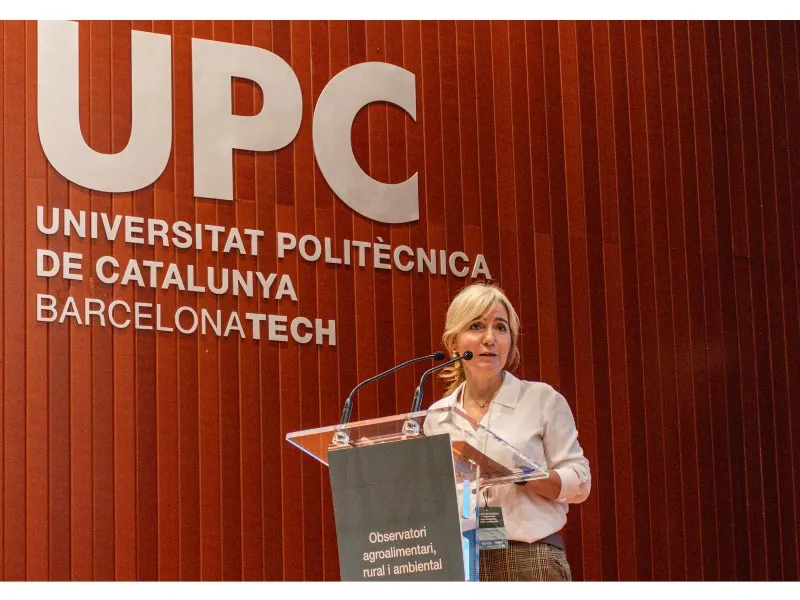
The day began with welcoming remarks from the Doctoral Symposium Committee and an inaugural address by Quique Bassat, CEO and Chief Scientist of ISGlobal, who emphasized the importance of supporting both students and supervisors, noting the need for updated training for both groups.
“"One of the lessons we have learned is that supervisors, myself included, may need to update our training to be up to par."
The keynote lecture, titled “From data to action: from the SARS-CoV-2 experience in Catalonia to today”, was delivered by Dr. Jacobo Mendioroz, Deputy Director General of Public Health Surveillance and Response at the Catalan Public Health Agency. Mendioroz reflected on how the COVID-19 pandemic experience has shaped current policies, surveillance systems, and resources for responding to emerging health threats.
Mendioroz reviewed key measures developed during the pandemic, such as the use of epidemiological data, contact tracing, and process automation, which have improved the detection and response to infectious diseases. He also highlighted the challenges posed by globalization and migration in disease spread, citing the West Nile virus as an example, and stressed the importance of using lessons from COVID-19 to anticipate future threats. He pointed to data modeling and infodemics as challenges for public health surveillance.
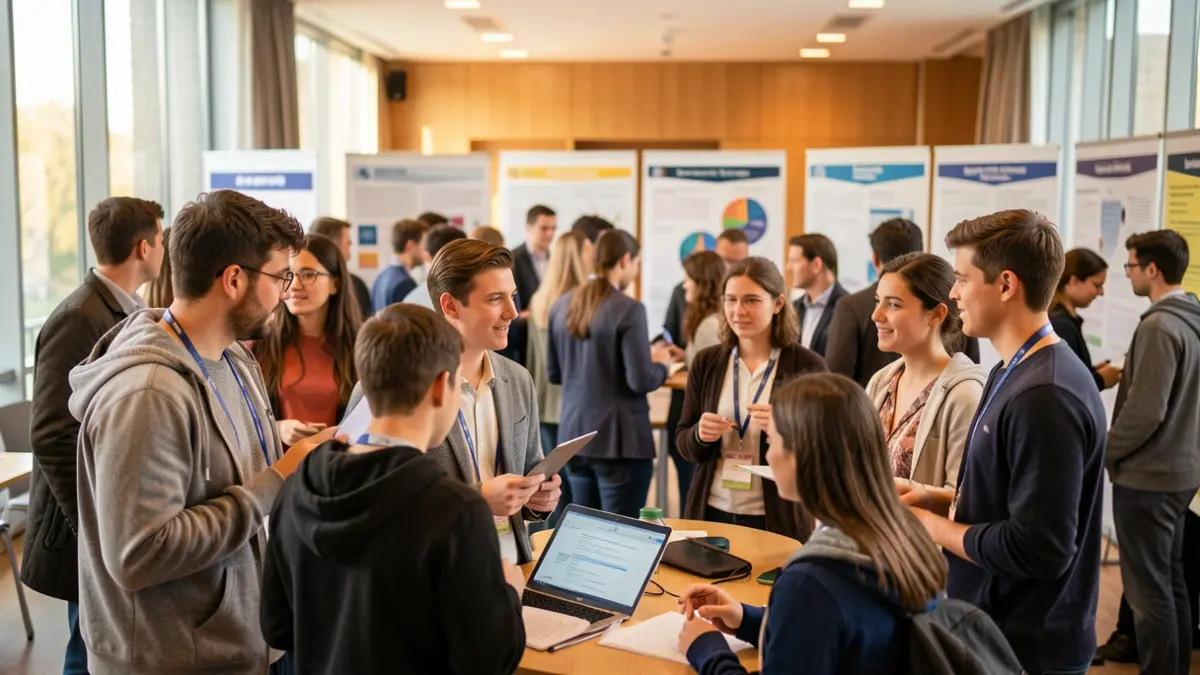
Throughout the day, PhD students presented their ongoing research through oral and poster presentations, both in-person and online. The program also included a presentation on “PR3 in action: Preparedness Hub Contributions to Climate & Health System Resilience” by Elizabet Diago, coordinator of ISGlobal's Preparedness Hub (PR3), and a networking activity.
The symposium concluded with closing remarks from Núria Casamitjana, Director of Education and Training at ISGlobal, and the Doctoral Symposium Committee, followed by a social gathering. The event underscored the value of creating spaces for early-career researchers to share their work, exchange ideas, and build interdisciplinary connections, contributing to stronger knowledge and collaborations for more resilient health systems in the face of environmental change and emerging threats.