The company has led a $56 million (€48.9 million) funding round with participation from investors such as Omega Funds, Asabys, Ysios Capital, CDTI, and the Co-Investment Fund (FOCO). These resources will enable the completion of the clinical development of its technology and progress towards patient application.
Ischemic stroke is a medical emergency where speed is crucial to prevent brain damage. Mechanical thrombectomy, a procedure to remove the clot via catheter, is a treatment option. Anaconda Biomed's technology, featuring a funnel-like structure, facilitates clot capture and temporarily halts blood flow to prevent complications.
“"This technology aims to make the extraction of the clot causing the stroke safer and more effective. By facilitating its capture and preventing fragments from traveling to other brain vessels, it can help restore blood flow sooner and more completely, thus preserving more brain tissue. The ultimate goal is to improve patient recovery after a stroke and reduce long-term sequelae."
Preliminary studies have shown an increased rate of complete recanalization compared to standard devices, results that are intended to be confirmed in an international clinical trial involving 327 patients across Europe and the United States, scheduled for completion in 2027. The company plans to initiate commercialization thereafter.
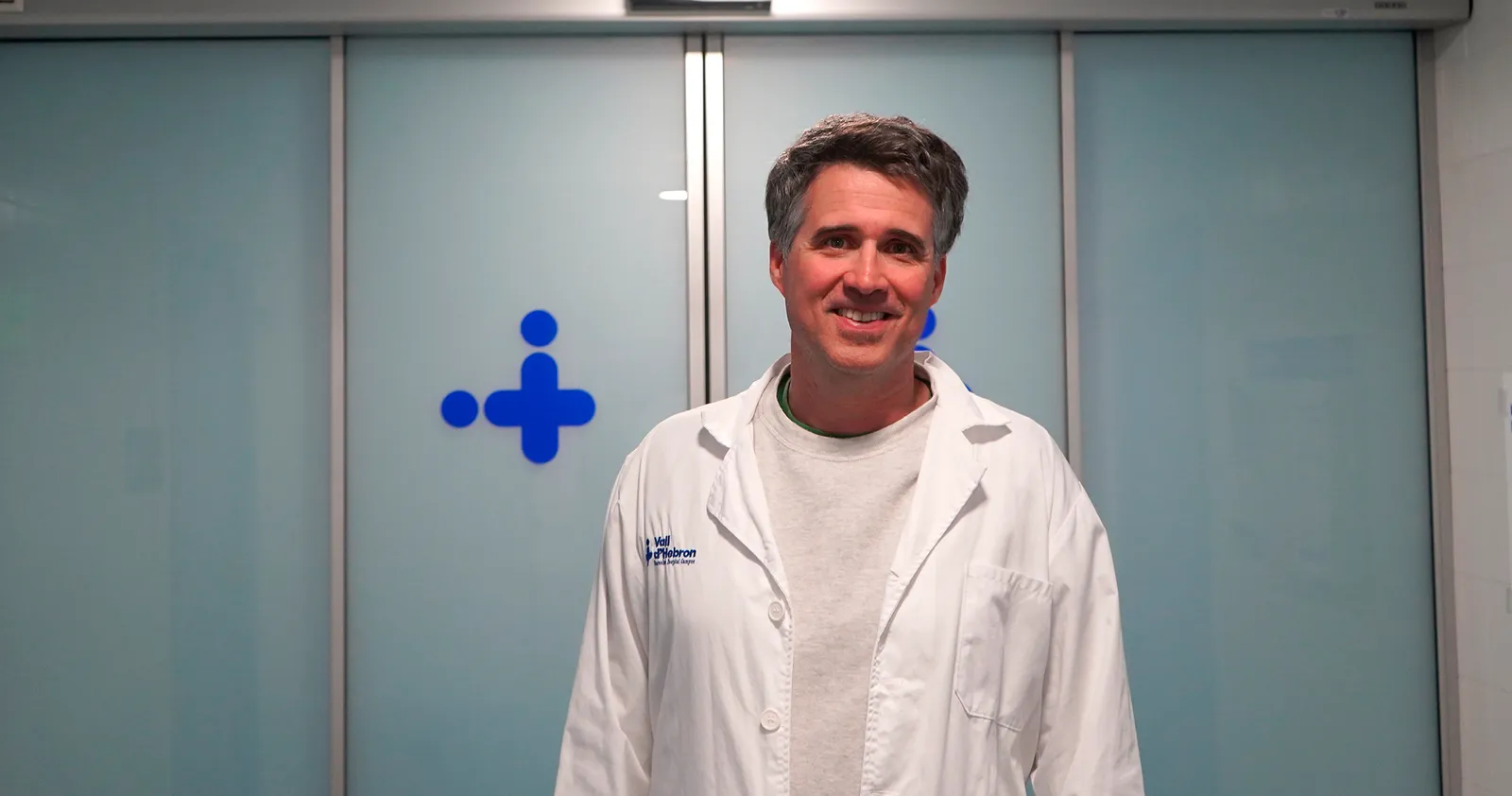
Anaconda Biomed, founded in 2015 by Dr. Marc Ribó and Dr. Ofir Arad, has raised nearly €100 million since its inception. The company operates a manufacturing facility in Sant Quirze del Vallès and is working to expand its technology's application to other cerebrovascular procedures.