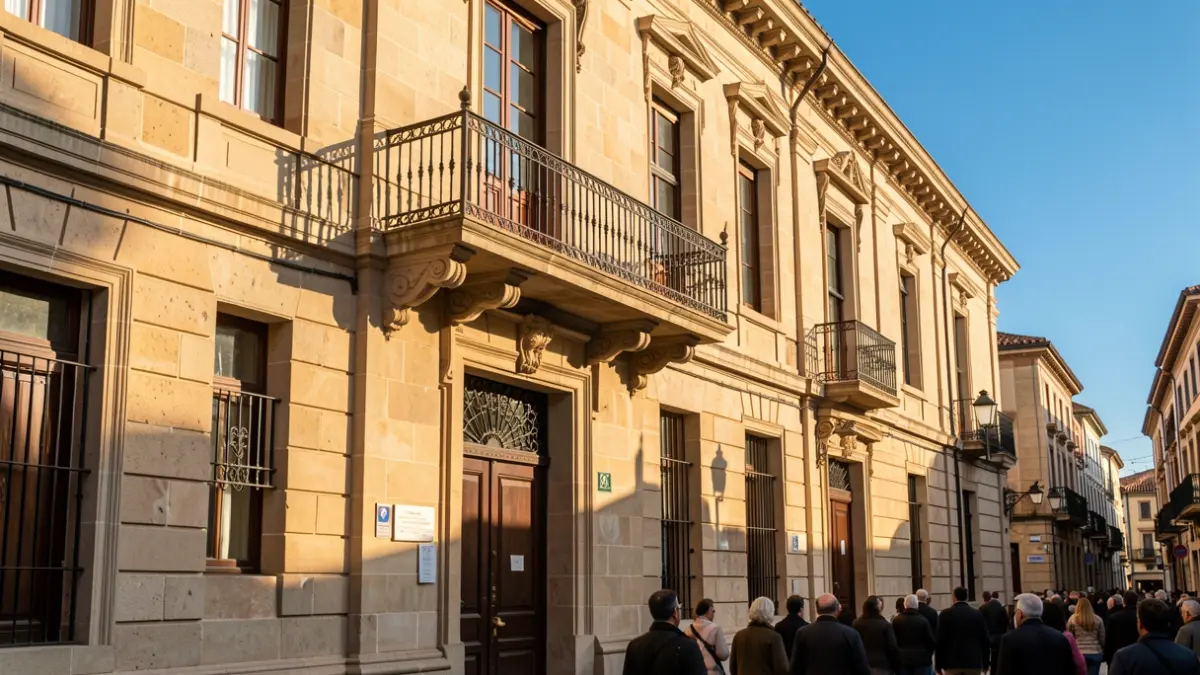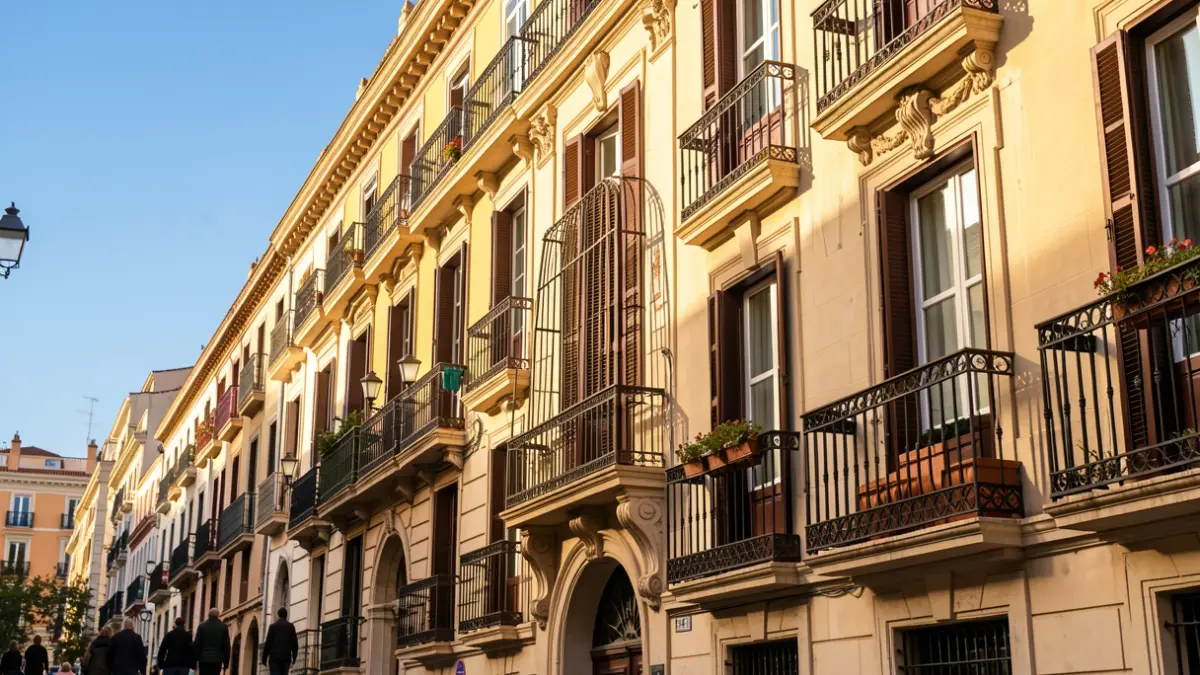
The Governing Commission has approved allocating more funds to the program, increasing the budget from 56,000 to 256,000 euros, and has extended the application period until December 31. This measure aims to help residents limit the presence of tourist accommodations and improve coexistence within buildings.
Homeowner associations can approve or modify their statutes to restrict the tourist use of dwellings. The initiative is part of an agreement between the City Council, the Chamber of Urban Property, and the College of Property Administrators of Barcelona-Lleida, with the goal of promoting residential use of buildings and clarifying coexistence rules.
The first call, launched in February, received over 80 applications, exceeding municipal expectations. The Deputy Mayor for Economy, Housing, Finance, and Tourism, Jordi Valls, highlighted that the objective is to "contribute to the elimination of tourist flats in the city".
The subsidies cover up to 50% of the management expenses for modifying statutes, including notary, registry, and professional fees. Aid can reach 1,500 euros for modifying existing statutes or up to 2,500 euros for creating new ones.
To access the aid, associations must approve the express prohibition of tourist use, ensure the text is homologated with the clauses established by collaborating entities, register the statutes in the Property Registry, and be up-to-date with their tax and Social Security obligations.
This expansion comes as the City Council maintains its intention to phase out the more than 10,000 existing tourist flat licenses by 2028, a measure supported by 75% of the population according to the municipal barometer. An IEB study estimates this action could reduce rental prices by 8% to 13.4% and purchase prices by 6.1%, without affecting the city's GDP.