The Catalan capital will become the stage for one of its most unique traditions with the Corpus 2026 celebration, taking place from June 4th to 7th. This edition will feature activities spread across 45 locations throughout all districts, consolidating the festival as one of the oldest and most striking in Barcelona's calendar.
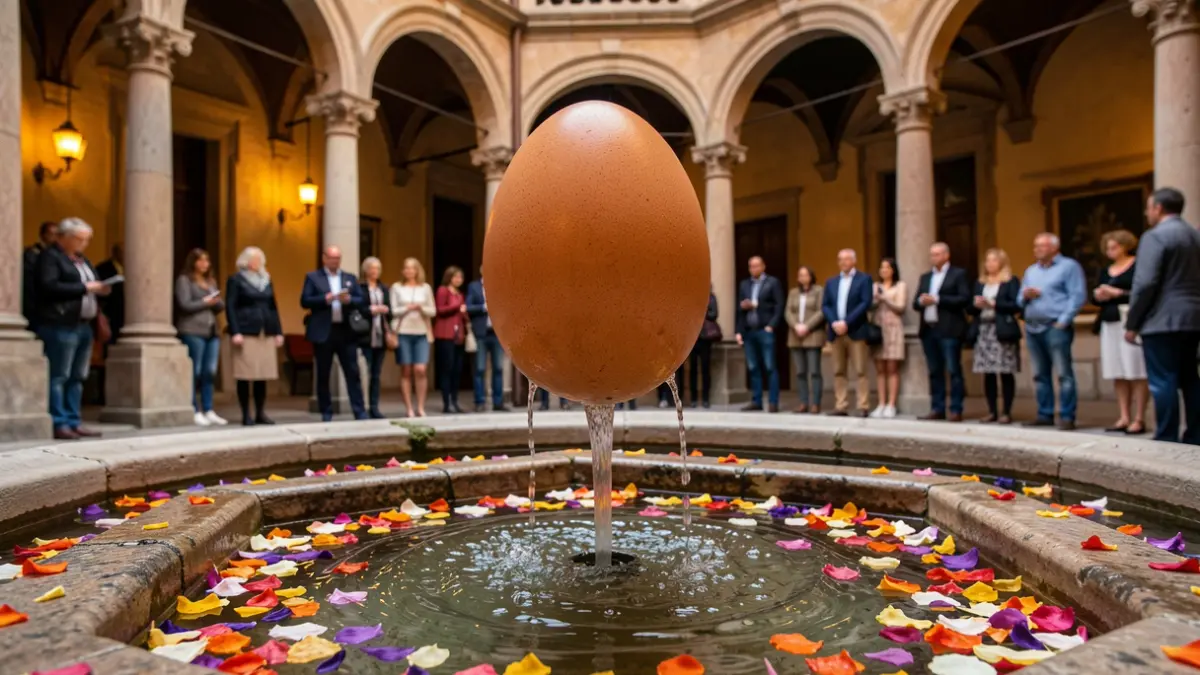
This year's focus is on the "ou com balla" (dancing egg), the traditional element that simulates an egg dancing on a water jet in cloisters, courtyards, and gardens. Around twenty of these installations will be set up. In parallel, the flower carpets will return, ephemeral works created by citizen entities and collectives that will stretch across streets and public spaces. These artistic creations will later be trodden by giants, beasts, and popular dances, marking one of the most symbolic moments of the celebration.
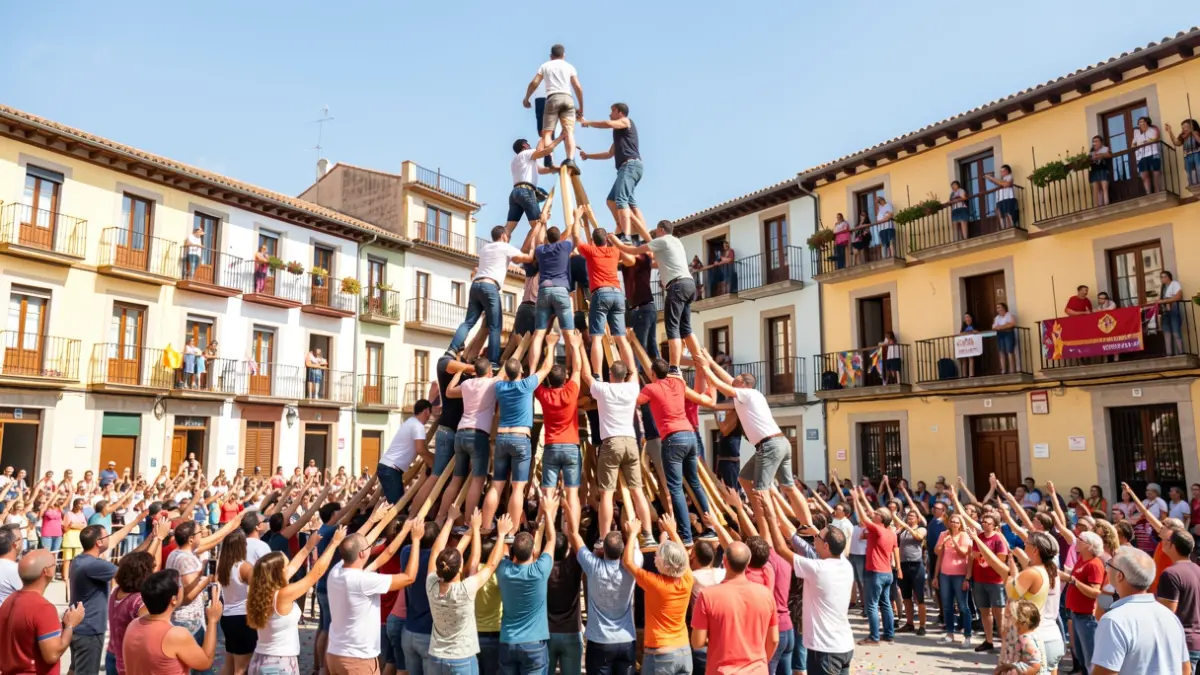
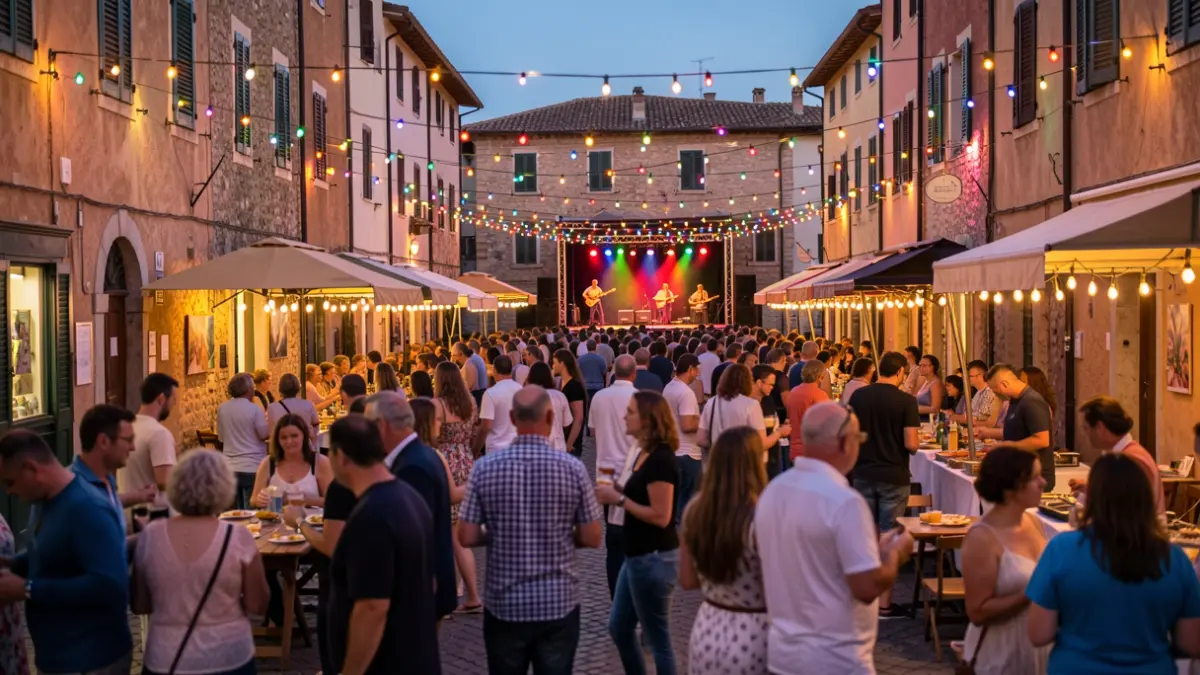
This year's program emphasizes territorial presence, with activities including parades, dances, open house days, bell ringing, exhibitions, and talks, all designed for all audiences. The festival, with over 700 years of history and recognized as a Heritage Festival of National Interest, maintains its participatory nature with the involvement of cultural entities and the citizenry.
Among the new features, the Palau de la Virreina will host an "ou com balla" and a flower carpet created by the Sant Camils occupational center and Parcs i Jardins. Students from the Floral Art program at the Taller d’Oficis Barcelona per la Natura will also exhibit their creation at the City Hall. Furthermore, accessibility measures have been implemented, such as a tactile replica of a carpet, sign language on the Joan Amades route, and the creation of four new carpets by entities for people with intellectual disabilities.
The origin of the "ou com balla" dates back at least to the 17th century, with records from the Barcelona Cathedral. The tradition is part of a symbolism related to water, eggs, and flowers, connecting with ancient Mediterranean water games. The flower carpets, with origins in Roman decorations, use petals, flowers, and other natural materials to create ephemeral designs that perfumed the streets during processions.