The Pope's visit to Barcelona will entail one of the most complex security operations in recent times. The itinerary will include emblematic locations such as the Sagrada Familia, the Raval district, Brians prison, and Montserrat monastery, as well as a popemobile route through the city center. This latter segment, spanning one kilometer, will be particularly delicate, with the vehicle traveling at low speed without a cover to allow spectators to see clearly.
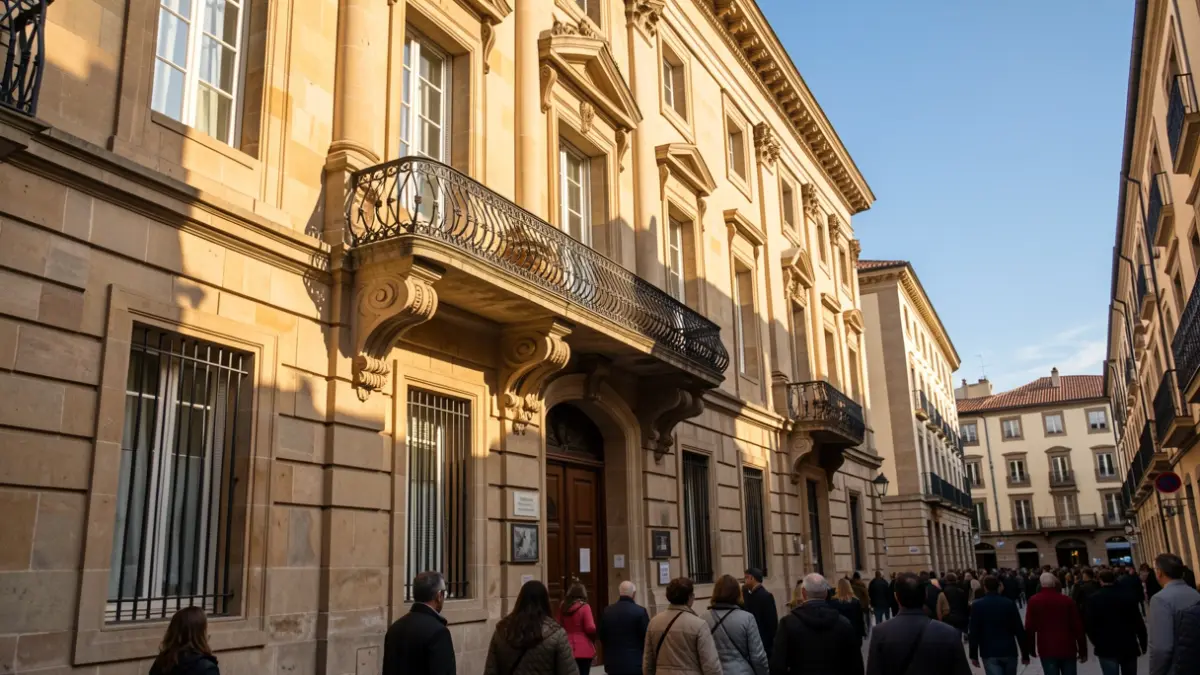
Municipal authorities, led by Deputy Mayor for Security Albert Batlle and Deputy Mayor Laia Bonet, have emphasized the commitment to ensuring maximum security with minimal disruption to citizens and the city's normal functioning. Nevertheless, traffic and parking restrictions have been announced in various areas, particularly around the Cathedral and the Episcopal Palace (from June 7th to 11th), and in the Raval, around the Sant Agustí church and Plaça Gardunya (June 9th and 10th).
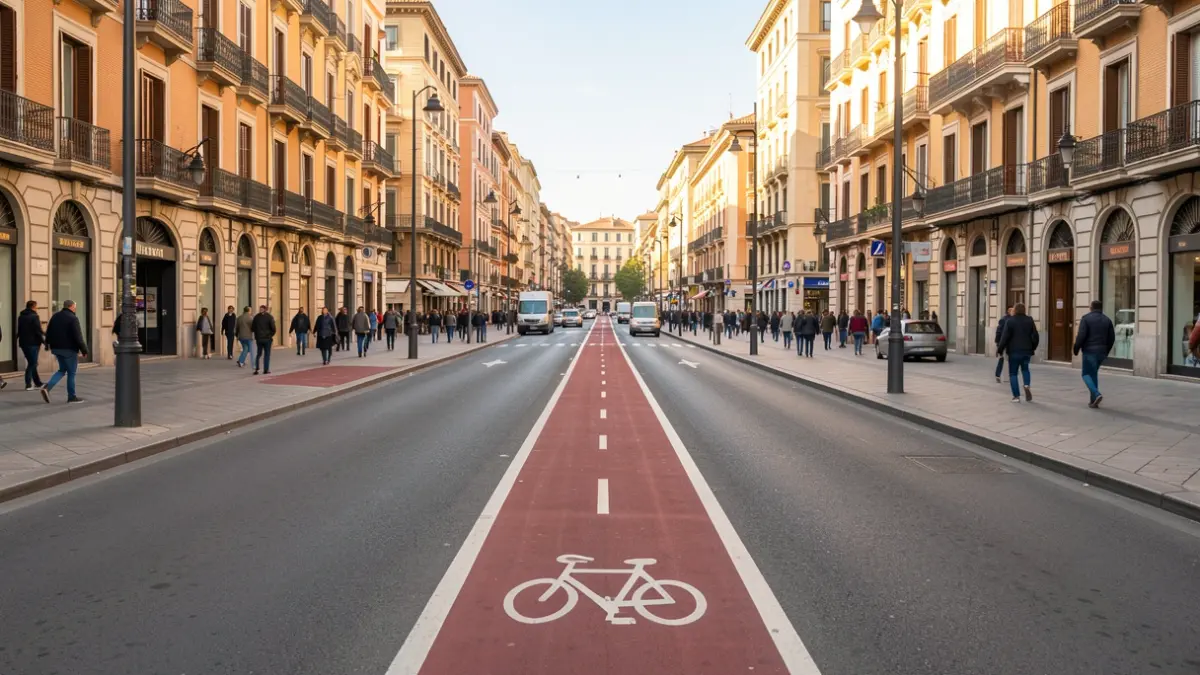
The Eixample district will be the most affected, with restrictions beginning on June 1st for preparations around the Sagrada Familia. Rosselló street, between Diagonal avenue and Lepant street, as well as cross streets between Provença and Còrsega, will experience traffic closures and parking bans from the morning of June 10th until the early hours of the following day. There will also be disruptions in the Olympic Ring of Montjuïc from June 8th to 10th, with access restricted to walking or public transport.
To facilitate mobility, the use of the metro has been recommended, with increased service, especially on lines L2 and L5 near the Sagrada Familia, seeing a 65% capacity increase on June 10th. Some Bicing stations will also be closed. Councilor Parlon has urged citizens to plan their journeys.
The police operation will involve specialized units such as the Tedax (explosives experts) and the GEI (militarized unit of the Mossos d'Esquadra). There will be security screenings and searches in restricted zones around key event locations. Aerial surveillance will also be conducted with drones and helicopters. The Pope's movements will be managed through security capsules, coordinated from a 24-hour command center (Cecor).
Outside Barcelona, services on Rodalies and Ferrocarrils de la Generalitat (FGC) will be reinforced for access to Montserrat. Digital platforms have been launched to book discounted tickets for the Aeri or Cremallera funiculars, and special bus services will be organized. Approximately 8,000 visitors are expected at Montserrat.