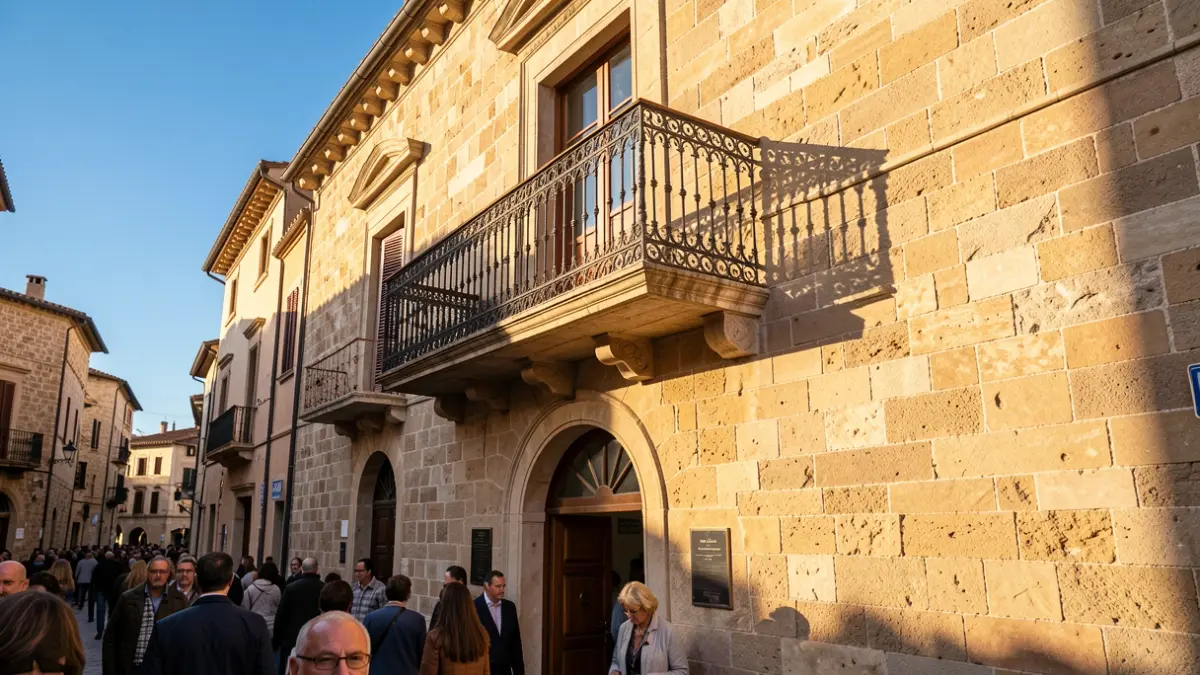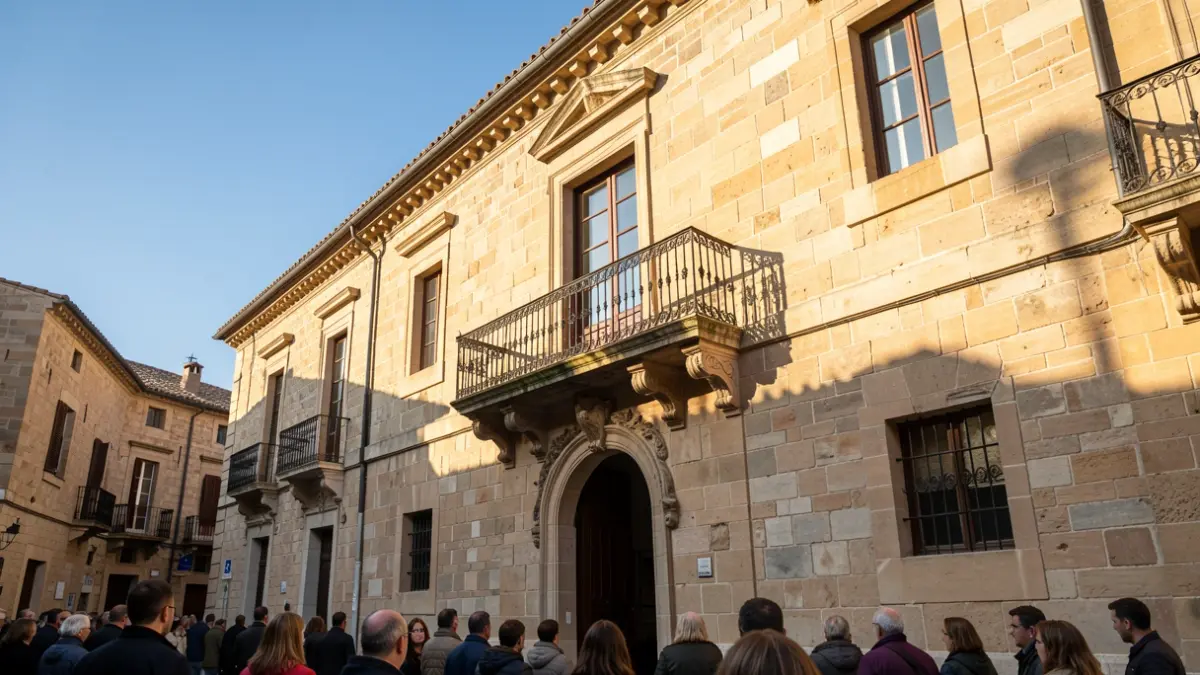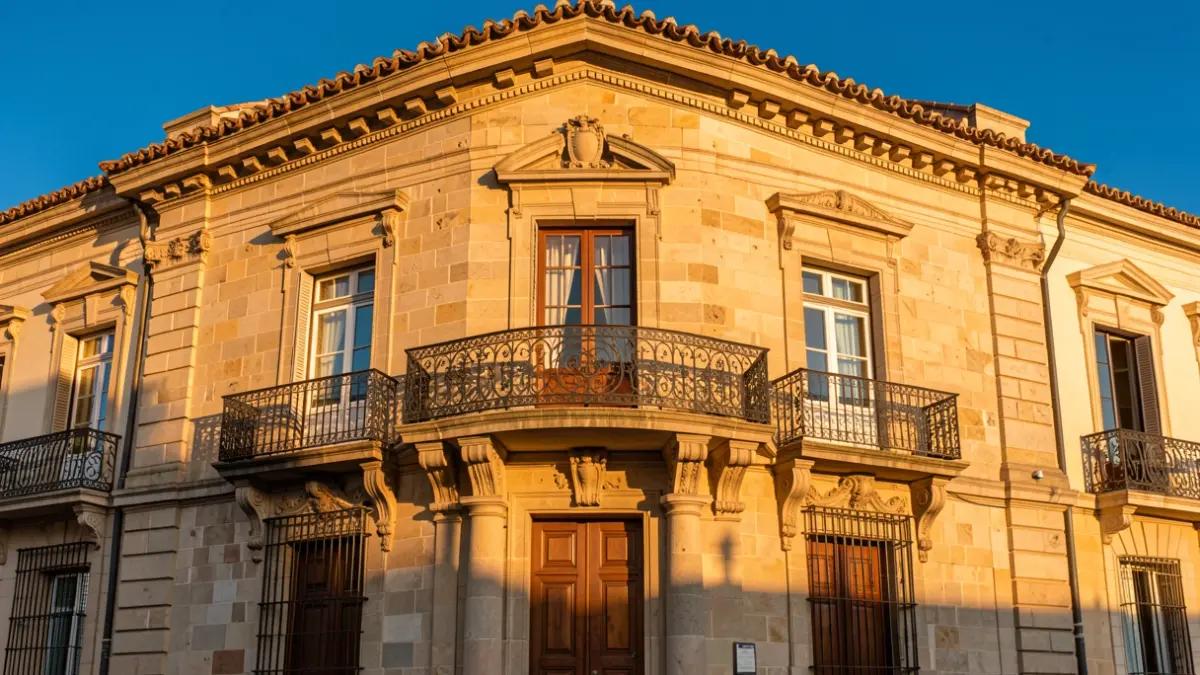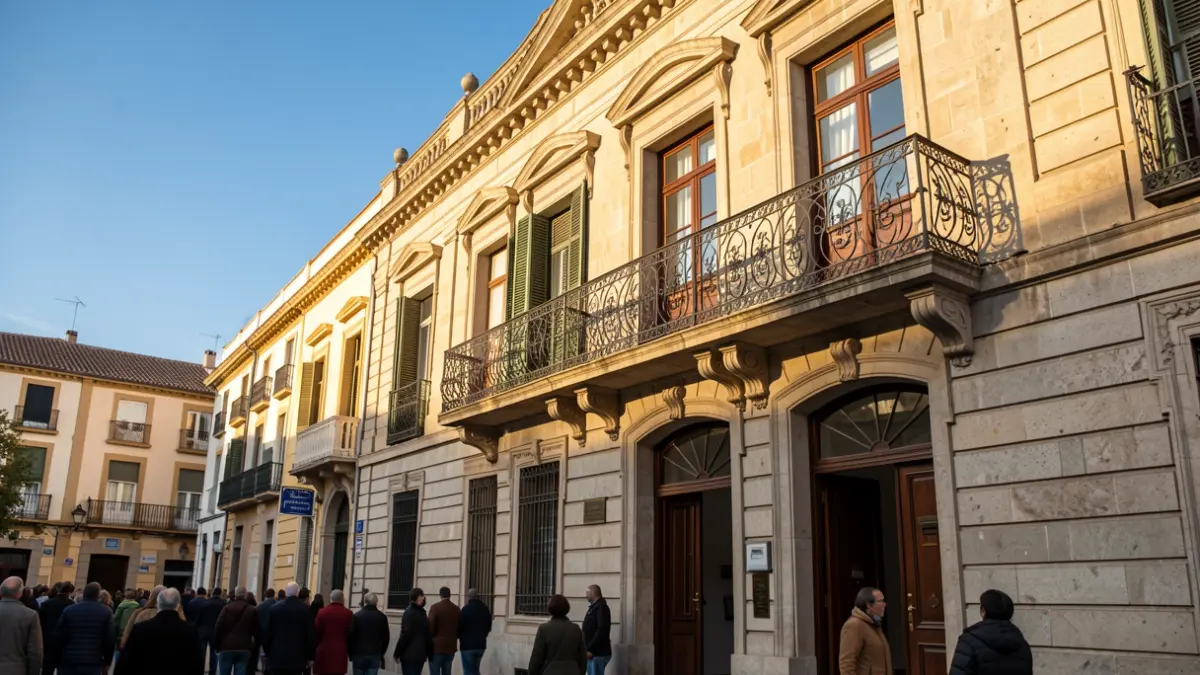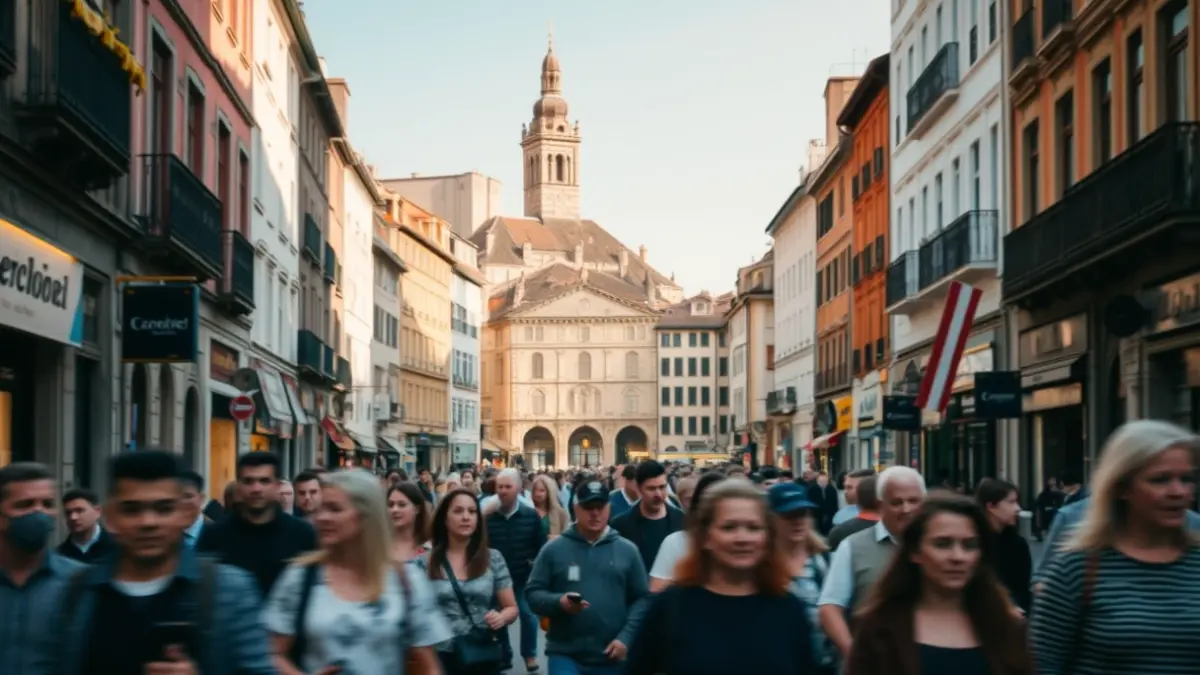
This initiative seeks to transform an area grappling with various issues, from crime and mass tourism to the presence of drug flats and homelessness. The goal is for the city's heart to regain its vitality and for Barcelona residents to reconnect with a space that has experienced growing public disaffection since the pandemic.
The Ciutat Vella district is characterized by having the fewest trees in its streets and squares, intensive use of public space, the highest percentages of foreign population, a large influx of tourists, the greatest social and economic inequalities, an aging housing stock, and the lowest family incomes in the Catalan capital.
The planned interventions will be
“"very surgical"
in nature, without major construction or spectacular demolitions. The Pact for Ciutat Vella will provide a global framework for these actions. Municipal technicians are working on various plans to enhance public safety, revive local commerce, and promote housing rehabilitation.
Seven main axes of action have been defined to transform central Barcelona: the Rambla del Raval, La Rambla, Via Laietana, Portal de l'Àngel, Passeig Joan de Borbó, Parc de la Ciutadella, and the area of Méndez Núñez, Tantarantana, and Plaça Pau Vila.