The Catalan capital has experienced a 1.5-degree increase in its average temperature since the pre-industrial era, with projections indicating an increase of up to 4 °C by the end of the century, exceeding 42 °C in some areas. These data, based on a 2025 study by the Institute of Environmental Science and Technology of the Autonomous University of Barcelona (ICTA-UAB), highlight the urgency of adapting the urban environment.
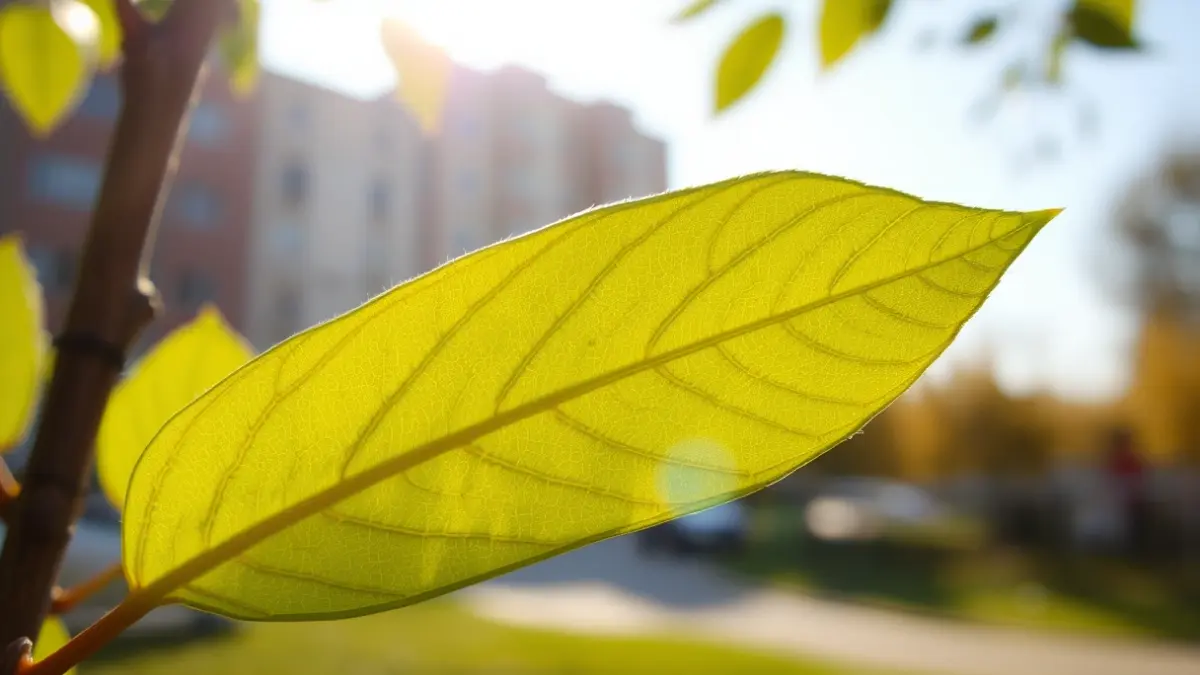
In this context, urban trees become crucial for mitigating heat, improving public health, and increasing citizen comfort. A review of 308 scientific studies has shown that green areas with trees are, on average, 1.6 °C cooler than treeless areas.
The council has announced its intention to remove more than half of the shade plane trees in the next ten years, as they currently represent almost 30% of the city's 152,000 trees. This measure, already included in Barcelona's Tree Master Plan from 2017, valid until 2037, seeks to expand green areas and make them more resilient to pests and climate change.
“"It is not about massive felling, but about taking advantage of the natural death of trees or large urban remodeling projects to replace them. In the last 15 years, the percentage of plane trees has only been reduced by 3%."
The plan's objective is for no single species to exceed 15% of the total, which would imply the replacement of over 24,000 plane trees. Furthermore, the aim is for 40% of species to be adapted to climate change, compared to the current 30%. This involves increasing the presence of species like jacaranda or grevillea, and reducing those more resistant to cold, such as robinia or red plum.
“"There is no ideal plant. The important thing is to diversify, both in terms of species and spaces to locate them. It is key to design these strategies from a multidisciplinary point of view, including the opinion of different experts, and also to consider public health, such as allergy risks."
Obstacles to achieving these goals include economic costs, logistics, and the difficulty of planting very warm-climate species while winters are still cold. Additionally, the scarcity of nurseries specializing in warm-climate trees in Europe poses an extra challenge.