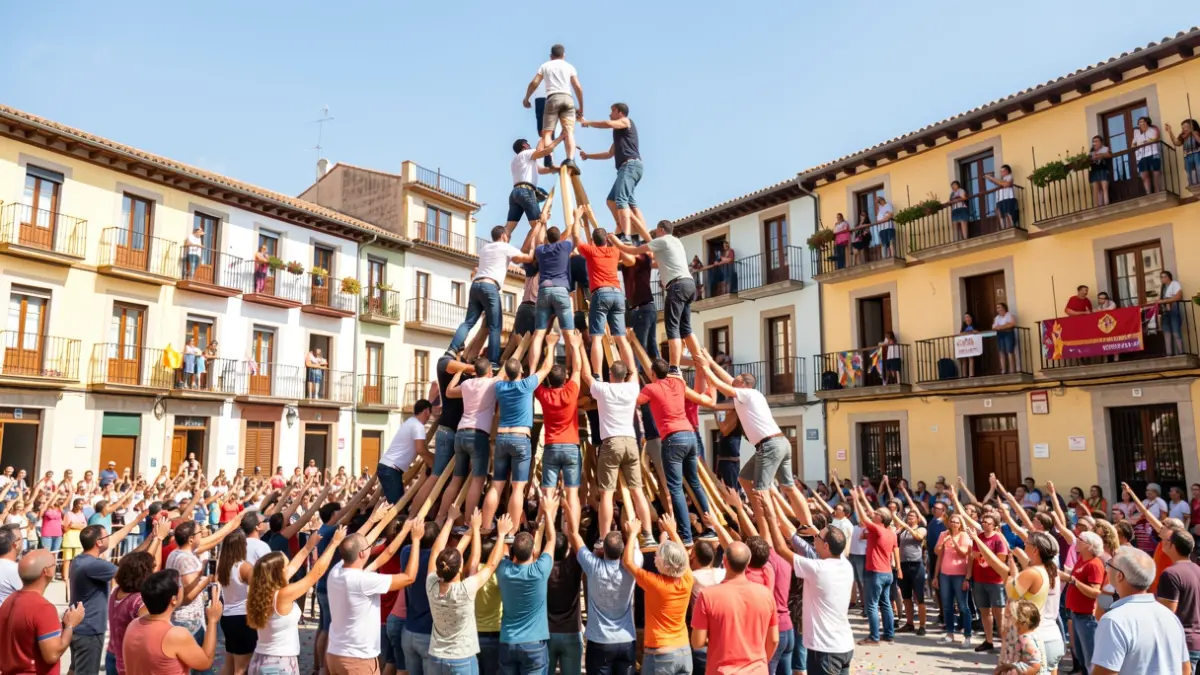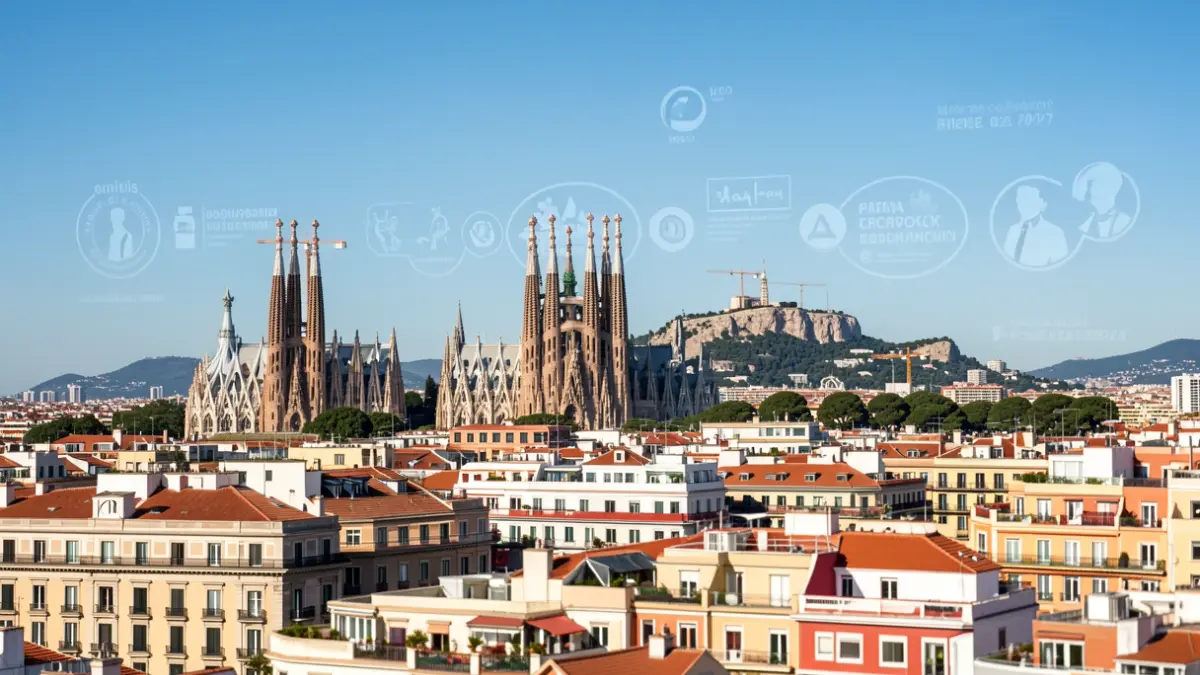
From the visit of Pope Leo XIV to the start of the Tour de France, including the World Congress of Architects, the Sónar festival, and the Formula 1 Grand Prix, the Catalan capital will experience four weeks of frenetic activity. These events, concentrated between June 9th and July 5th, evoke the organizational complexity of the 1992 Olympic Games, albeit with a different character.
Mayor Jaume Collboni acknowledges that mobility is the main concern but is confident in the city's capability due to accumulated experience in major events like the Mobile World Congress and the citizens' civic spirit. The Deputy Mayor for Security, Albert Batlle, who was already a councilor during the '92 Games, highlights Barcelona's efficiency in organizing events, stating that "when we do something, we do it well".
The papal visit and the Tour de France start are the events that will most impact daily life, with road closures and a special security operation. The F1 GP and Sónar, meanwhile, will attract around 400,000 attendees, many international, generating a significant increase in tourism.
Despite internal nerves at the City Council and public companies like TMB and BSM, there is a general sense of confidence. The organization of the '92 Games left a legacy of "a way of doing things" that, according to former councilor Enric Truñó, remains relevant, based on delegation, coordination, and collective commitment.