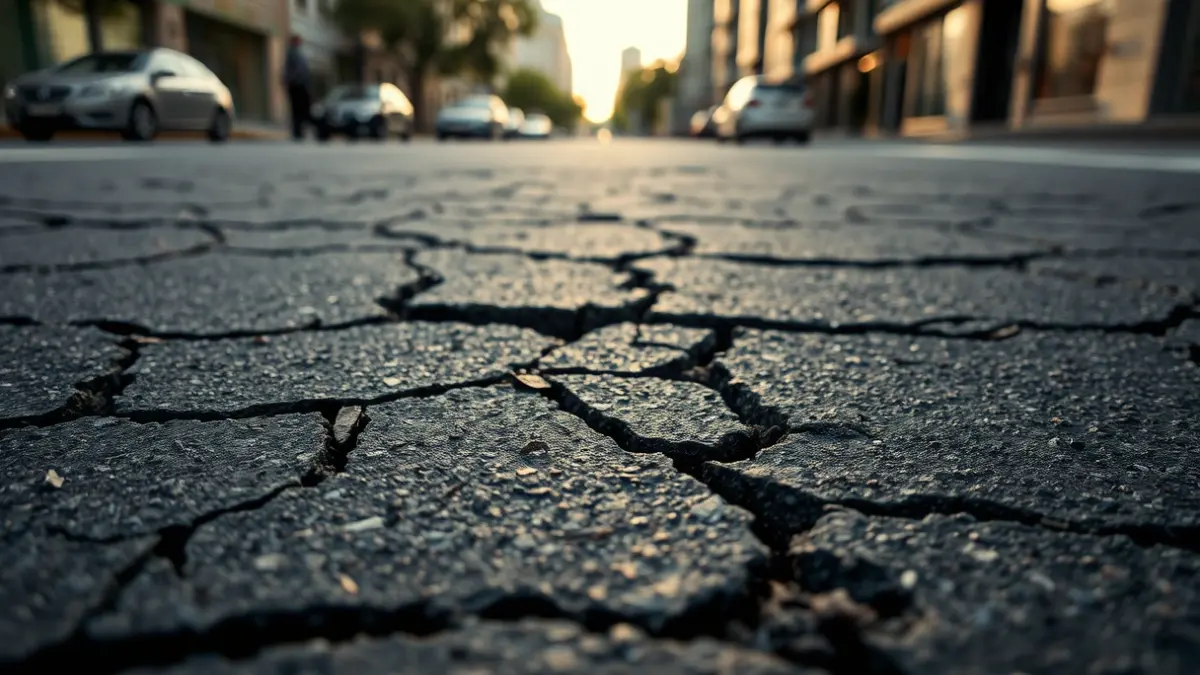
Rambla Guipúscoa, a key artery connecting the Catalan capital with Sant Adrià de Besòs, shows significant fractures and deformations in its pavement. These irregularities, with unevenness of up to 40 centimeters between Maresme Street and Rambla Prim, have created a considerable risk of falls for pedestrians, leading to the fencing off of an area with benches and trees.
The damage, detected by the maintenance brigade in 2023, is attributed to a combination of drought effects and the ground's inability to absorb water accumulating beneath the surface, coinciding with an old stream bed. This situation caused an underground landslide in the screens separating the surface from the Line 4 metro tracks, which run directly underneath.
“"The metro tunnel caused water coming from the higher part of the city to be retained and accumulate there. Coupled with the drought period, the soil beneath became very dry, and when there were sporadic rains, they caused erosion, leaving a void in this space, which was only being held up by the sidewalk's concrete."
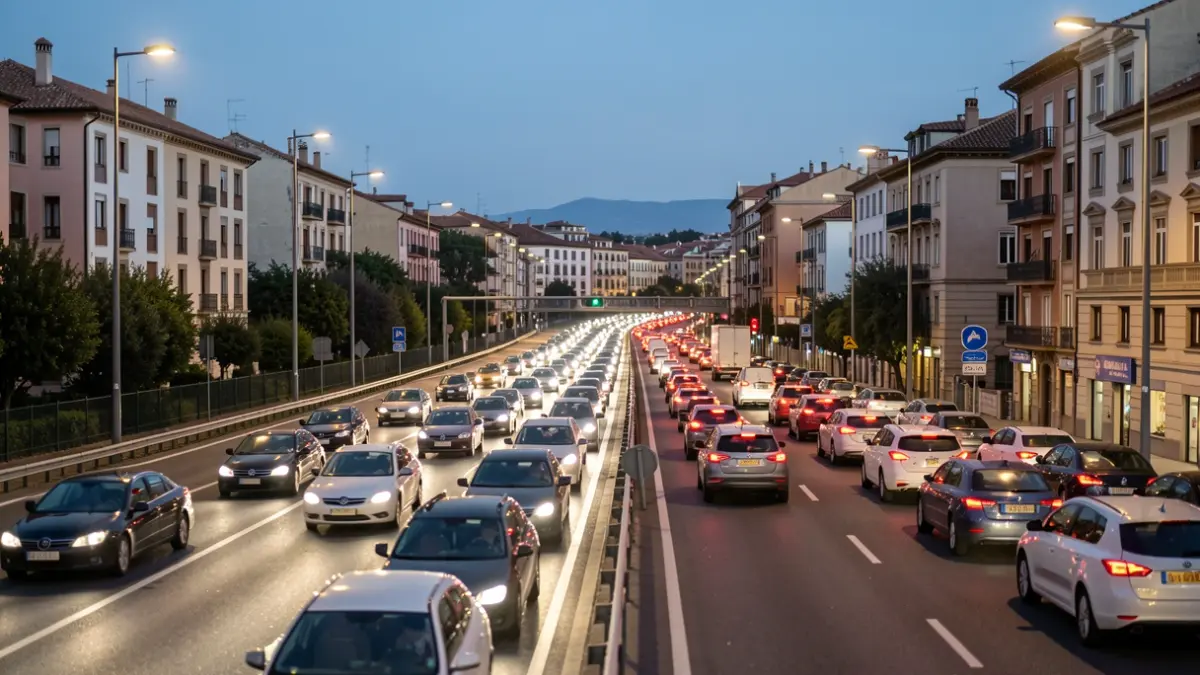
The repair works, spanning 126.6 meters of road and 4,200 square meters, include the creation of new drainage channels to prevent future water accumulation and potential landslides. The first phase of the work will involve excavation between the roadway and part of the promenade, requiring a complete traffic closure on the sea-facing side and rerouting of bus lines H10, 33, and N8.
The project also includes structural reinforcement of the pavement and repaving of the entire affected section, both on the sea-facing and mountain-facing sides, to ensure road safety for pedestrians, cyclists, and vehicles. Although other cracks exist in the traffic lane, these are attributed to expansion rather than subsoil subsidence, according to georadar diagnoses.