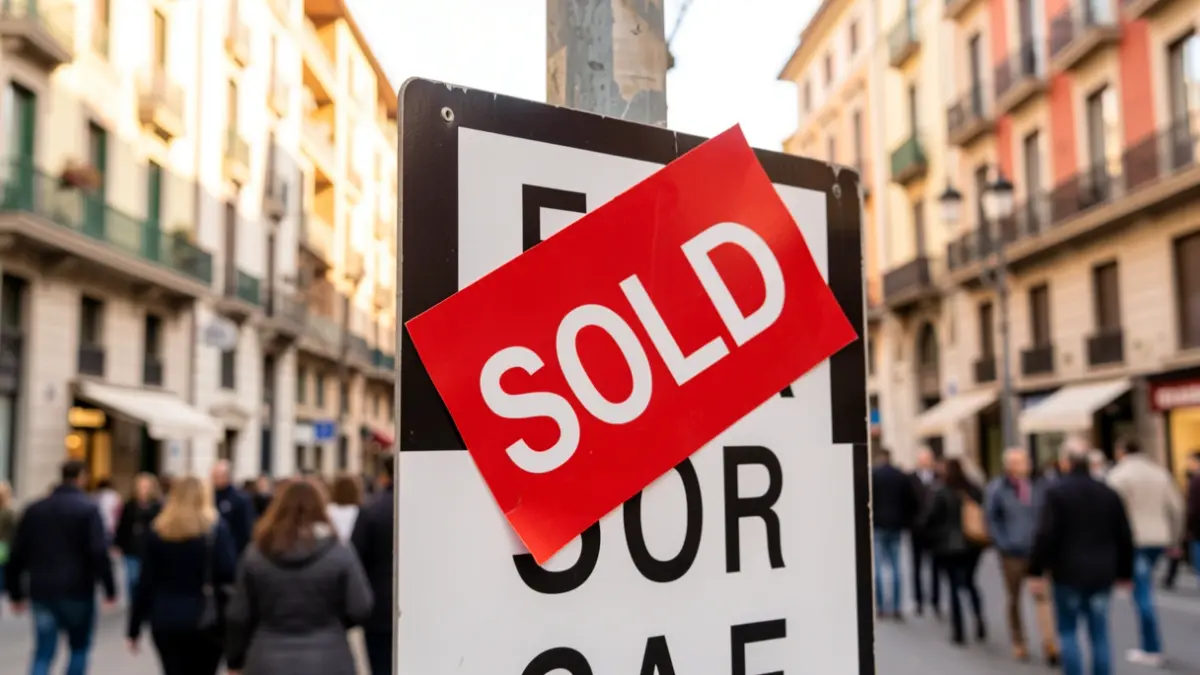
Speculative or investor demand for properties in Barcelona has significantly decreased, with a 32% drop in the purchase of entire buildings containing more than 10 homes over the last year. While 217 buildings were acquired in 2024, this figure fell to 149 in 2025.
The Commissioner for Housing, Joan Ramon Riera, attributes this trend to regulations implemented over the past two years, such as caps on standard and seasonal rental prices. According to Riera, these rules have lowered profitability expectations for investors and protect the residential use of apartments.
The City Council views positively the upcoming law from the Parliament of Catalonia to prohibit speculative buying, considering it "necessary to further protect the right to housing".
A report from the Metropolitan Housing Observatory of Barcelona indicates that, although renting remains a challenge for many families, regulations have made it more accessible. The gap between average household income and the price of new rental contracts has narrowed by 20 points since 2023, decreasing from a difference of 91.2 points to 70.4 in 2025.
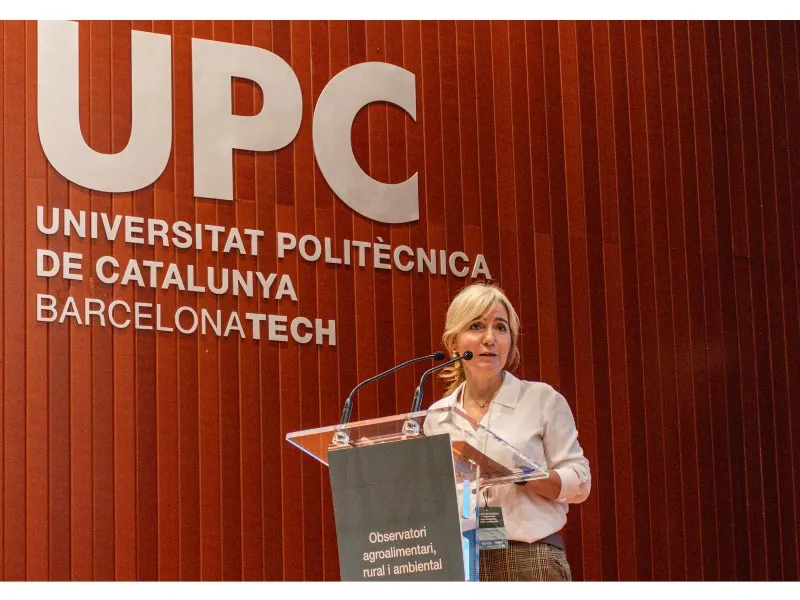
The Observatory's co-director, Carles Donat, explains that the goal is to "reduce the affordability crisis in the short term" and, in the medium to long term, increase social housing stock and public investment.
Without price caps, the average rent in Barcelona would currently range between €1,318.6 and €1,429.2 per month. With the regulation in effect since the first quarter of 2024, the price has dropped by 2.7% to €1,161.
Seasonal rentals have also seen a 53% decrease in the fourth quarter of 2025 compared to the previous year, coinciding with the approval of the law that also limits their prices. Experts suggest this decline supports the hypothesis that seasonal rentals were used to circumvent standard rental regulations.