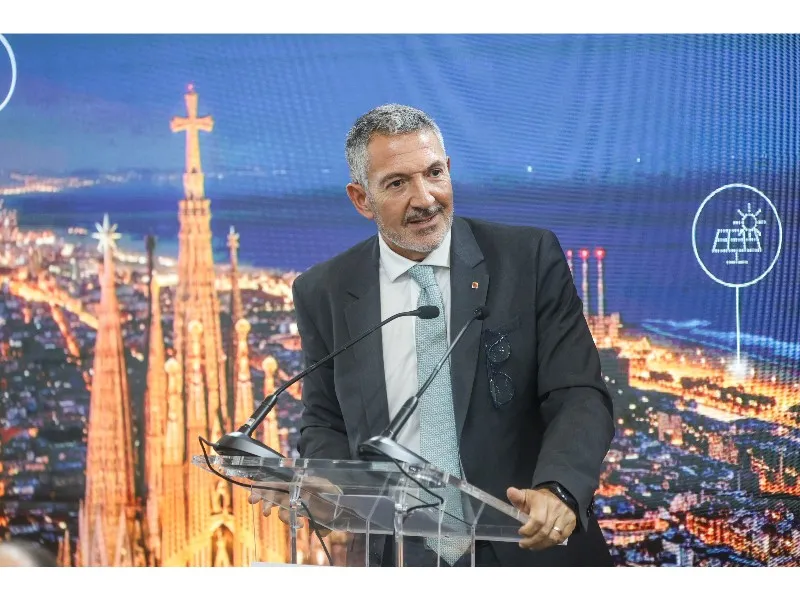
The report Analysis of the deep tech startup ecosystem in Catalonia 2026, prepared by ACCIÓ, shows an increase of 7.5% in the number of companies, 8.5% in jobs, and 12.6% in revenue compared to the previous year. Minister Miquel Sàmper highlighted that this growth "confirms the country's capacity to transform research and talent into new economic and industrial opportunities".
Deep tech startups are characterized by their use of disruptive technologies based on scientific research and advanced engineering, with significant potential to solve global challenges. 53.4% of these Catalan companies hold patents or intellectual property protection. Furthermore, 40% are spin-offs from research centers or universities, demonstrating a strong link between research and company creation.
The leading technologies developed are biotechnology and medical technologies (34.1%), artificial intelligence (28.9%), and sustainable materials (10.7%). The health sector accounts for 43.5% of deep tech startups.
Catalonia's deep tech ecosystem is growing faster than the overall Catalan startup ecosystem since 2022 (37.8% versus 26.3%). Funding attraction is also increasing, with 57.2% of companies having secured venture capital. In the last three years, they have raised €436 million, a 49% increase from the previous three-year period.
During the Smart City Expo, four innovative projects are also being presented to validate solutions based on advanced digital technologies such as AI, space technologies, or drones, addressing challenges like rural mobility management or healthcare logistics.