The Minister of Agriculture, Livestock, Fisheries and Food, Òscar Ordeig, announced this Tuesday to the mayors of the 19 affected municipalities that the restrictions will be maintained. This decision comes after nearly seven months of the virus outbreak.
Despite requests from some municipalities to ease measures, the department has stressed the need to maintain restrictions to ensure the plan's effectiveness and prevent further economic losses to the pig farming sector.
The African swine fever outbreak was declared in late November. The minister had previously considered easing measures, arguing that the virus had not entered any farms nor left the perimetred zone, which was the plan's main objective.
The restrictions, which initially affected a large part of Collserola Park and were extended to its entire area three months ago after an infected wild boar was discovered in Barcelona, have drawn public criticism. These measures prevent access to the forests to avoid accidental spread of the virus.
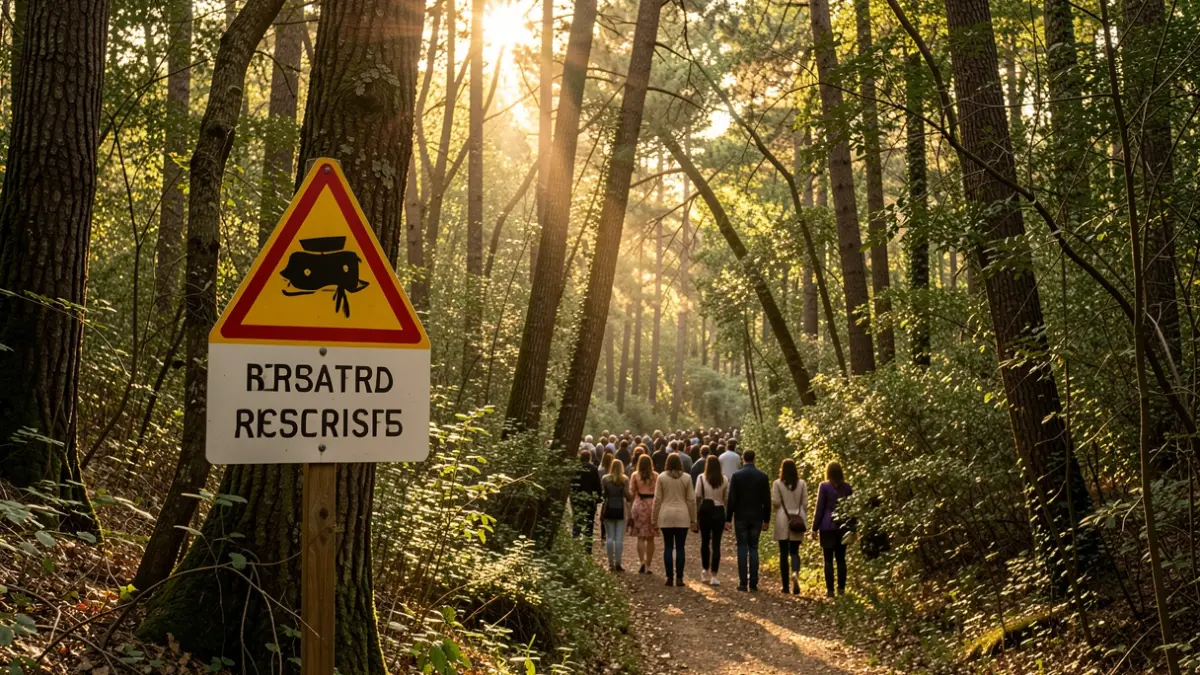
Recently, controversy grew when an international film shooting was authorized within the restricted perimeter. This past weekend, about 200 people protested by defying the ban with a popular hike, demanding the park's reopening.