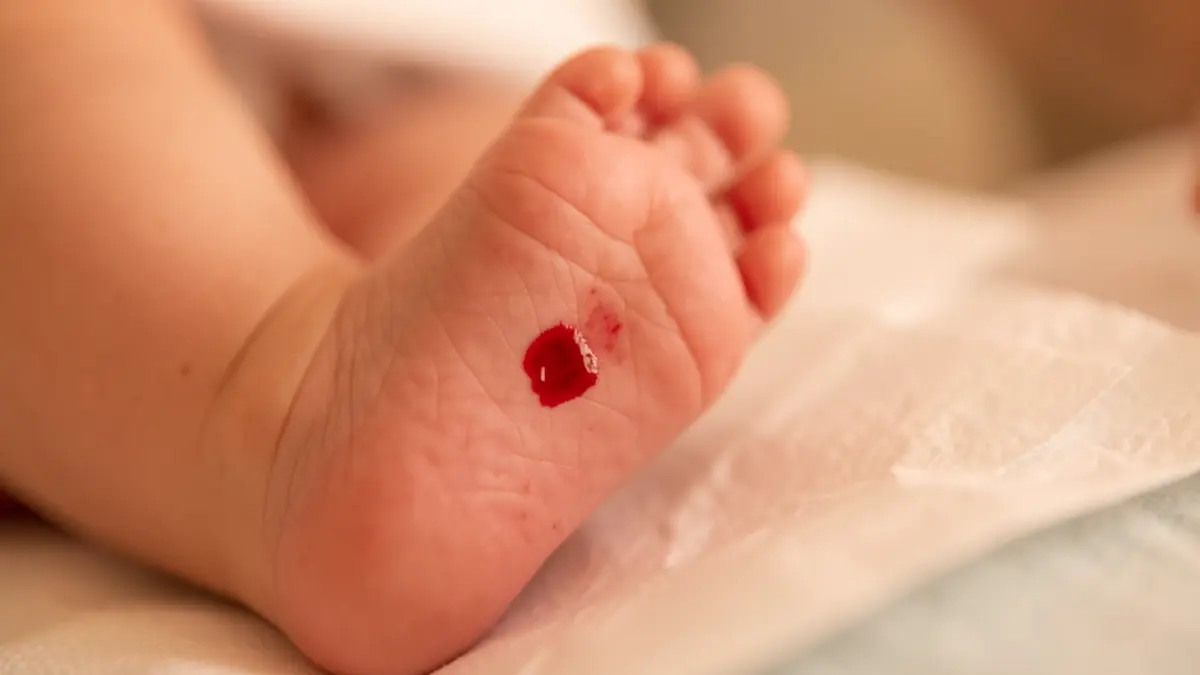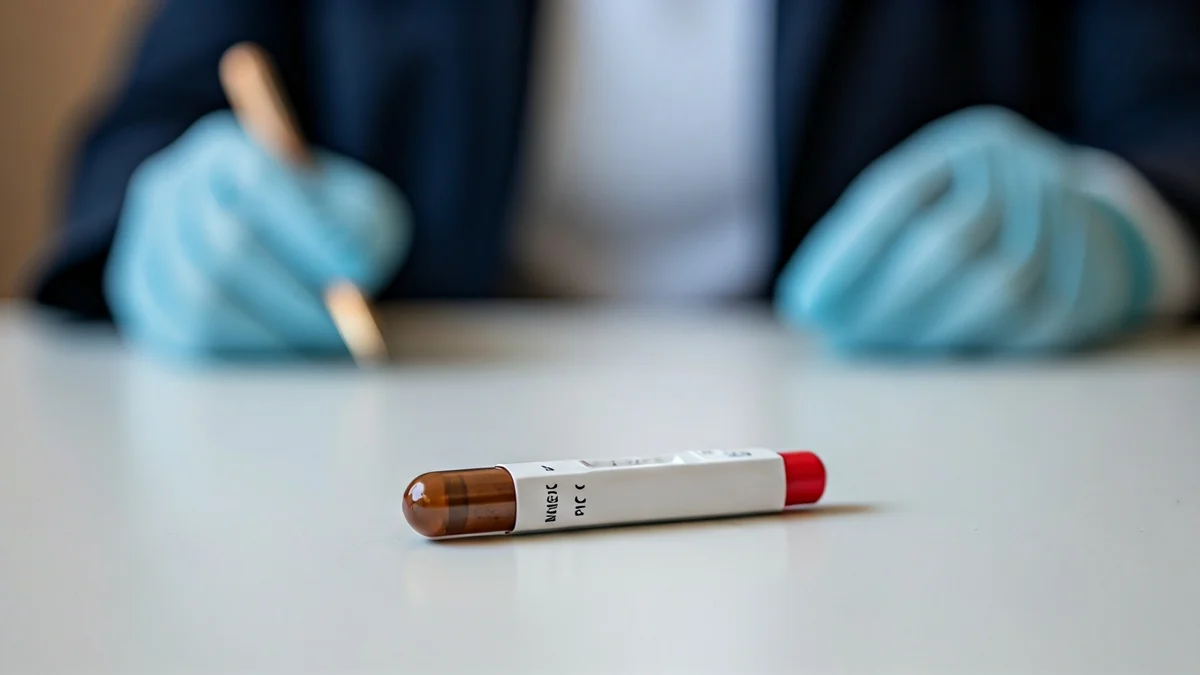
Early detection is a critical factor in combating many diseases. For colon cancer, it is estimated that 90% of individuals could survive if diagnosed promptly. However, recent official data indicates that only 45% of the at-risk population in Spain participates in this screening program.
In Barcelona, the program has demonstrated its effectiveness. Since its implementation 15 years ago, it has identified almost 1,900 tumors, saving numerous lives. A compelling example is the case of Xavier, 56, whose life was changed four years ago by an occult blood in stool test.
Xavier received a letter from Salut at age 50, inviting him to participate in the screening. His first test was negative, but two years later, a second participation revealed blood. This detection led to a colonoscopy where polyps were removed, followed by the extraction of a mass that proved to be cancerous. Fortunately, the cancer was found at an early stage and completely removed, preventing the need for further treatments beyond follow-up check-ups.
“"Luckily for that second letter, otherwise I probably wouldn't be here today."
Since the program's launch in the Catalan capital, approximately 54,000 positive stool blood tests have been recorded. It is important to note that a positive result does not automatically mean cancer, as it can be due to benign polyps or other lesions. As a result of these positives, 48,000 colonoscopies have been performed, leading to the diagnosis of nearly 1,900 colon cancers and the identification of 21,500 precancerous lesions.
Participation in the screening program in Barcelona stands at 51%, with significant variations across basic health areas, ranging from 29% in Raval Sud to 60% in Clot. The program targets individuals aged between 50 and 69 and involves a painless, non-invasive test that can be done at home every two years, with results accessible via La Meva Salut.
“"I recommend everyone to heed the letter and get tested."