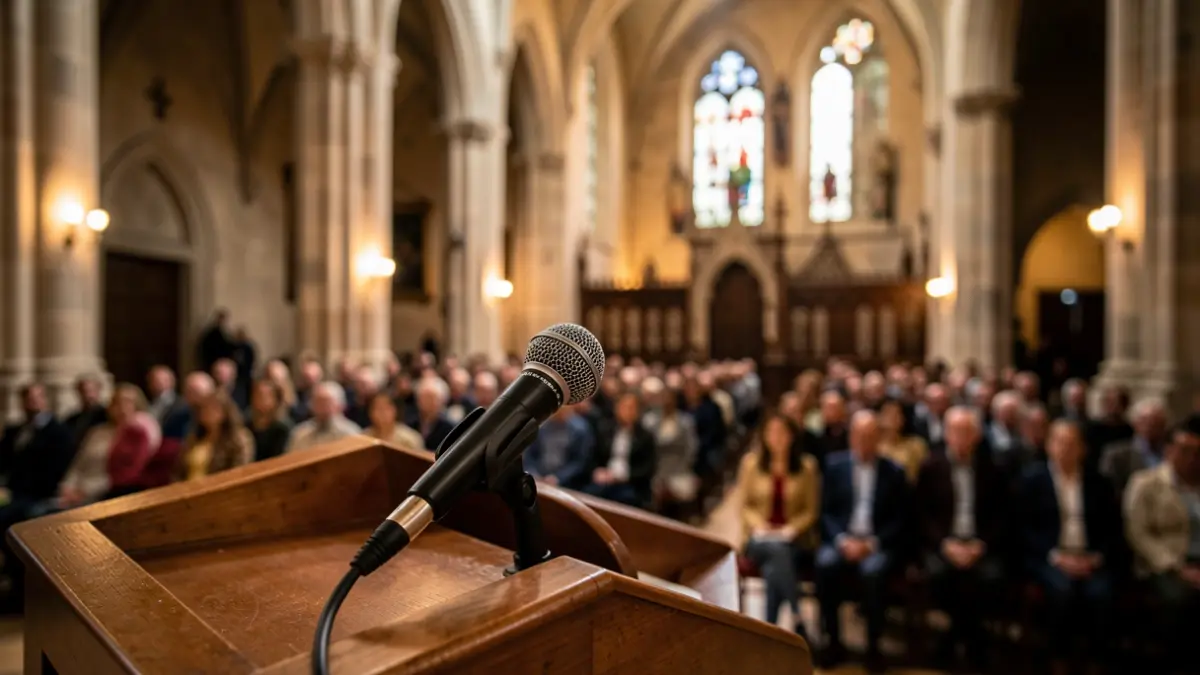
Pope Benedict XVI blessed the Jesus Tower of the Sagrada Familia using Catalan during key moments, modifying the initial plan that had foreseen Spanish. This decision followed a strong wave of indignation from civil society and cultural entities, which forced a change in the event's protocol.
Experts consulted indicate that this episode highlights the precarious situation of the Catalan language, which requires constant struggle for its presence. Philologist Gerard Furest attributes the controversy to the Vatican's "bureaucratic indifference" and a "progressive Spanish assimilation of the Catalan Church," influenced by figures like the Archbishop of Barcelona, Joan Josep Omella.
Doctor of Catalan literature Júlia Ojeda labels Omella as a "militant against Catalan identity" and sees in the attempt to exclude Catalan a "diglossic will" to project a Hispanized image of post-referendum Barcelona. She considers the excuse of facilitating matters for the Pope, a polyglot pontiff, inadmissible.
The president of Plataforma per la Llengua, Òscar Escuder, speaks of "hostility" and recalls that it is impossible for the bishops to have been unaware of Antoni Gaudí's legacy regarding the language. He emphasizes that if Catalan were normalized, there would have been no discussion.
The analysis also criticizes the "voluntary institutional neglect" of the Government and the Department of Linguistic Policy, as well as the Barcelona City Council, for their inaction during the controversy. Ojeda laments that this situation allows for the "folklorization" of the language, turning it into a symbolic element.
Gerard Furest argues that the structural salvation of Catalan requires achieving statehood, using Andorra and its "coercive methods" as a reference. In contrast, Escuder and Ojeda believe the Statute of Autonomy offers room for action and advocate for the "political will" to implement existing legislation and protect linguistic immersion in schools.