Six years after the presentation of the Rodalies 2020-2030 plan, which promised an investment of 6,346 million euros (later increased to 8,037 million), the Catalan Government seeks to consolidate its control over the railway infrastructure. The objective is to end decades of insufficient investment and improve the network's reliability, increasing passenger numbers.
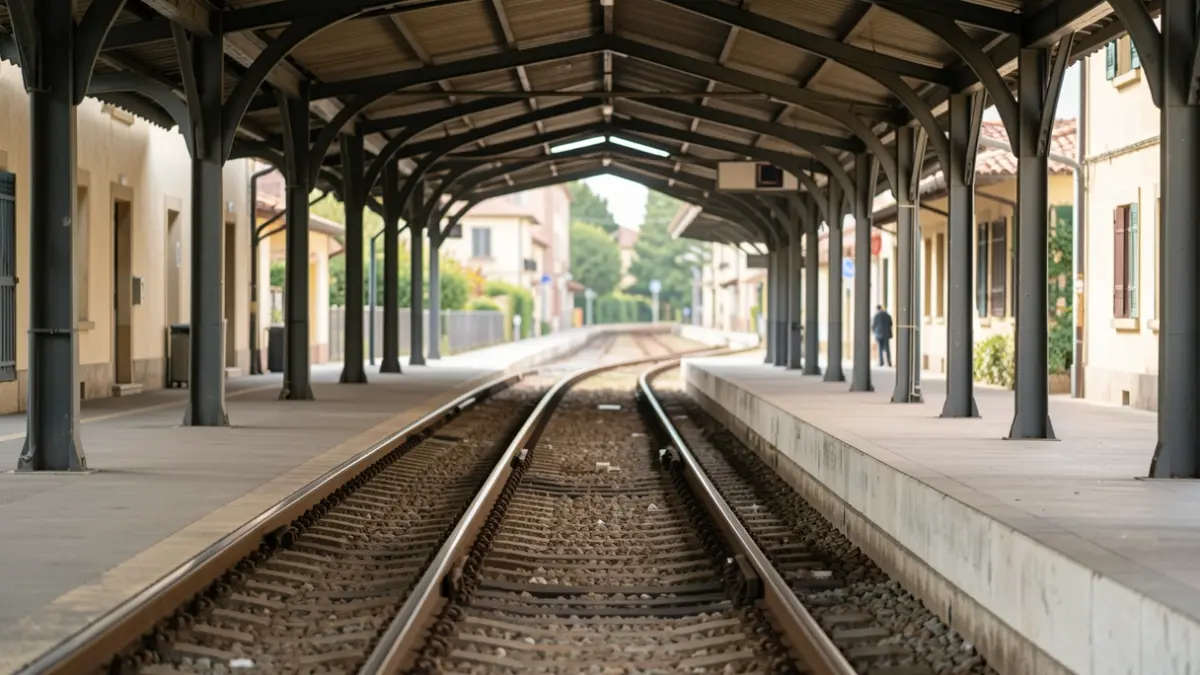
Investments are materializing, with an execution level that the Administration estimates at 70%. In addition to improvements in tracks and overhead lines, and the arrival of new trains planned for 2027, work is underway on over 40 stations, approximately 20% of the network. Although the buildings are owned by Adif and Renfe, the Government wishes for Rodalies de Catalunya to assume comprehensive management, from the largest, La Sagrera, to the smallest, like Toses.
The Minister of Territory, Sílvia Paneque, has highlighted that the investment priority now focuses on projects with "a positive short and medium-term impact on the service." This urgency is justified by the fact that Rodalies is the worst-rated public transport by Catalans, according to a recent mobility survey.
Of the 200 Catalan stations, 94 belong to Adif (outside the metropolitan area) and 106 to Renfe (in the Barcelona core). Notable exceptions like Passeig de Gràcia, Sants, and França are owned by Adif, to which the future station of La Sagrera will be added, which will be the largest in Spain.
Line R1 will be the first to be fully transferred to Rodalies de Catalunya, including its stations, all owned by Renfe. This transfer is part of the investiture agreements between the PSOE and ERC. Line R4 also has Renfe stations, while R3 presents mixed management, with Adif stations from Manlleu onwards.
The transfer of stations is a "priority" for the Government, according to Paneque. After R1, the management of R3 is planned to be assumed, which requires urgent investment, especially in the section between Montcada and Vic.
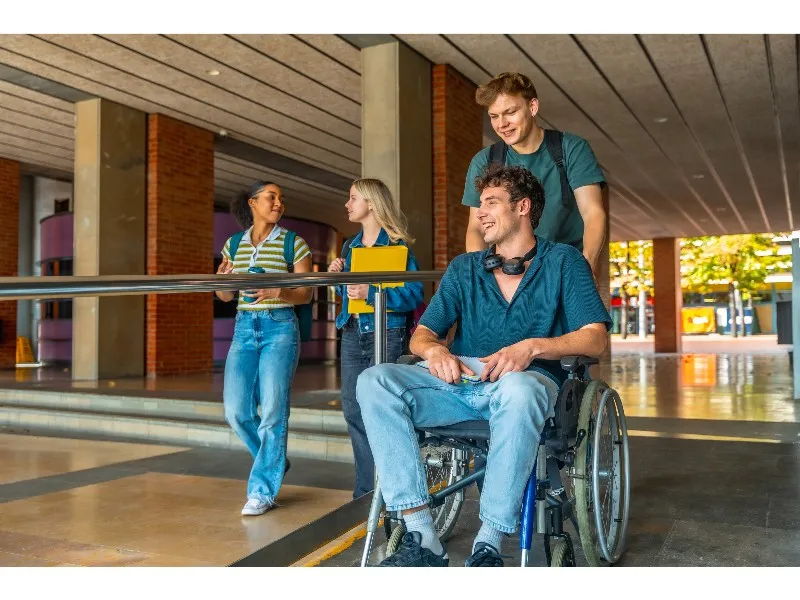
Stations such as Colera, Vilajuïga, Sant Jordi Desvalls, Celrà, Fornells de la Selva, L'Arboç, La Granada, and Port Aventura have already been transformed and are in service, with improvements in accessibility and capacity. Others, like those at El Prat airport or La Garriga, have completed works but await operational status.
Currently, works are underway at La Sagrera (scheduled for 2032) and Sants (for 2030). Work is also being done on the covering of Sant Feliu and Montcada, which includes new stations and aims to end a "historic railway scar." Additionally, improvements are being made to Reus Bellissens, Parets del Vallès, Montcada Bifurcació, Castelldefels, Camallera, Bordils-Juià, and Montcada-Ripollet. Projects for the stations of Figueres, Girona, El Clot, Fabra i Puig, Mollet-Santa Rosa, Sant Sadurní d’Anoia, or Tordera are in the design phase.
Another significant work is at the Molins de Rei station, which is progressing with a new access after several tenders and paralyses. The new station is expected to be inaugurated in the summer of 2027, allowing trains from line R1 to reach it.