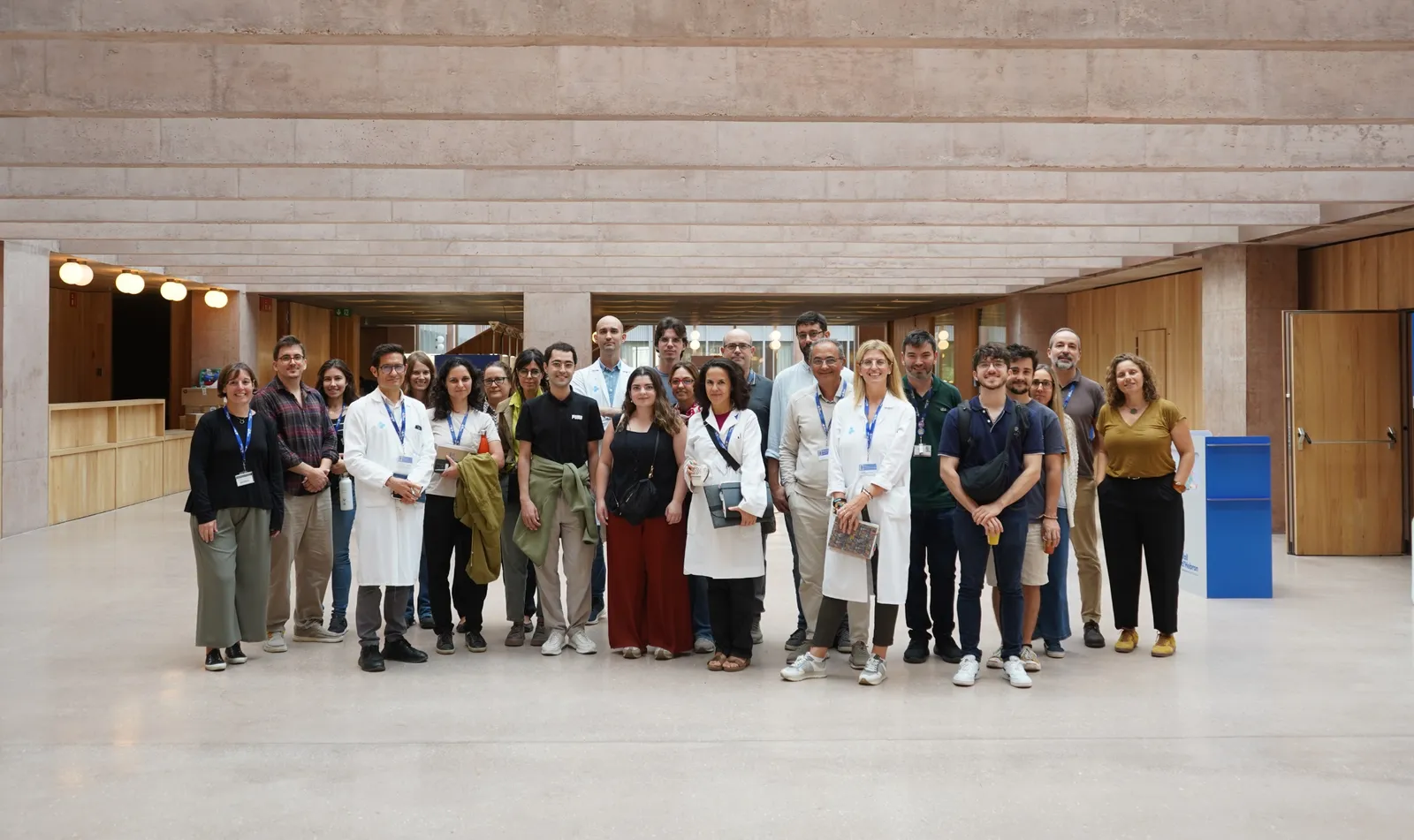
The TACTIC project, driven by the Accredited Health Research Institute - Vall d'Hebron University Hospital (IIS-IR-HUVH), aims to develop new tools to improve disease prevention, diagnosis, and treatment through computational biomedicine and innovative therapies, striving for more precise and personalized medicine.
In the Precision Prognosis and Diagnostics axis, advancements highlighted include the MONALISA study, the first randomized clinical trial in liquid biopsy for childhood cancer, set to begin patient recruitment in late 2025 at the Vall d'Hebron University Hospital. The TACTIC sample management system for longitudinal sample collection was also emphasized. The Clinical Neuroimmunology group presented predictive models for multiple sclerosis, including web platforms for clinical implementation. The Cancer Computational Biology group at VHIO showcased predictive models using clinical data and methodologies for integrating data from various sources.
Regarding Innovative Therapies, new nanomedicine strategies for pancreatic cancer based on extracellular vesicles, magnetic particles, and hydrogels were presented. Preclinical results with mesenchymal stem cell-based therapies and gene editing technologies for rare neurological diseases were also shared. Furthermore, insights into response factors for personalized deep brain stimulation and imaging studies related to rare diseases were discussed.
Systems medicine played a central role, with advancements from the Cardiovascular Diseases group at VHIR in understanding molecular mechanisms of chronic diseases and integrating large-scale clinical data. A novel mechanism of glycation stress altering the mitochondria-lysosome axis was identified, and its pro-inflammatory consequences are being explored. Additionally, multimodal data tools for personalized cardiovascular risk assessment are being developed, integrating data from ten international clinical centers.