One-third of TMB users choose the bus as their primary mode of transport. This service boasts a fleet of over a thousand vehicles distributed across three depots in the city: Horta, Triangle, and Zona Franca. A journalistic team recently visited the latter facility to observe the work carried out there.
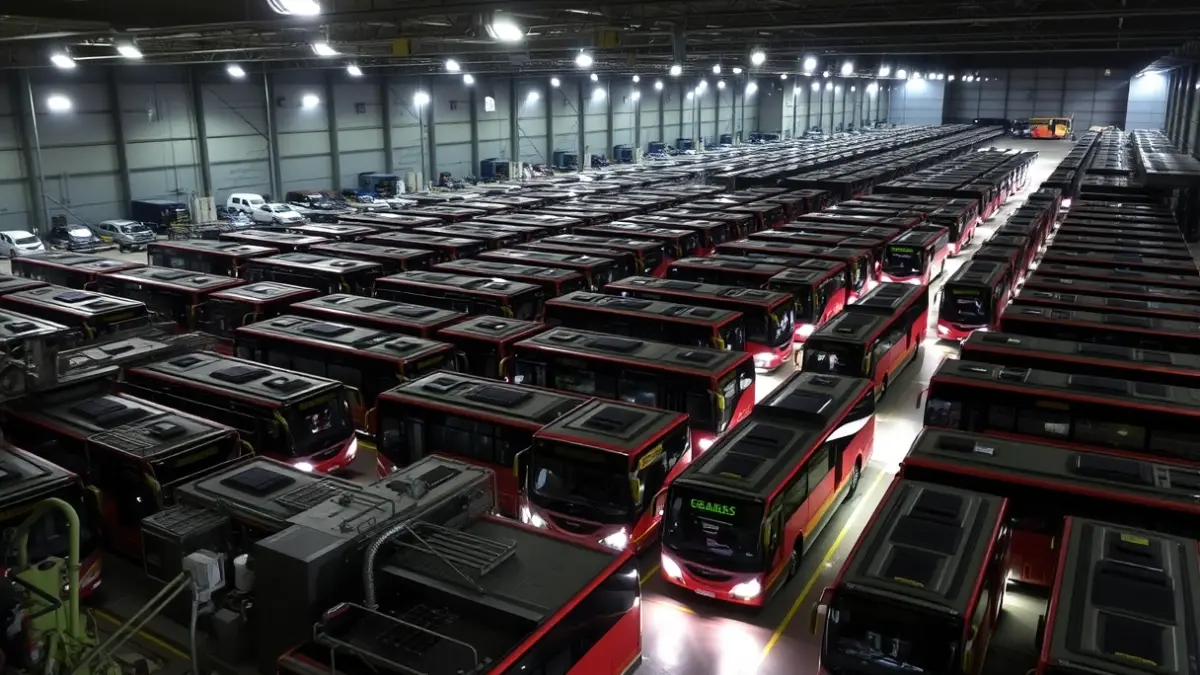
The Zona Franca depot is the largest, featuring four segregated parking areas and two workshops. Here, 532 buses that serve the southern area of Barcelona spend the night. Before their daily routes, these vehicles undergo a thorough preparation process.
The nightly work includes interior cleaning of the vehicles, refueling or battery charging—this depot exclusively houses gas, hydrogen, or electric buses—and an exterior wash in a cleaning tunnel. A team of 150 workers is responsible for these tasks each night.
“"When night falls, the buses continue working. They arrive after their shift and undergo a series of essential tasks so that the next day, when the day begins and service resumes, the bus is ready."
In addition to daily preparation, basic mechanical maintenance is performed periodically, and any necessary repairs are carried out. Current buses have a lifespan of approximately 12 to 14 years and undergo a technical vehicle inspection (ITV) every six months. Unlike private vehicles, technicians travel to the depots to conduct these inspections.
The first buses begin arriving at the Zona Franca depot from seven in the evening, but peak hours are between 10 PM and 11 PM, coinciding with the end of service. During this period, over a hundred vehicles arrive at the facility, which transforms into a hive of activity. All work concludes after three in the morning, and by 4:30 AM, the buses are back on the streets of Barcelona.