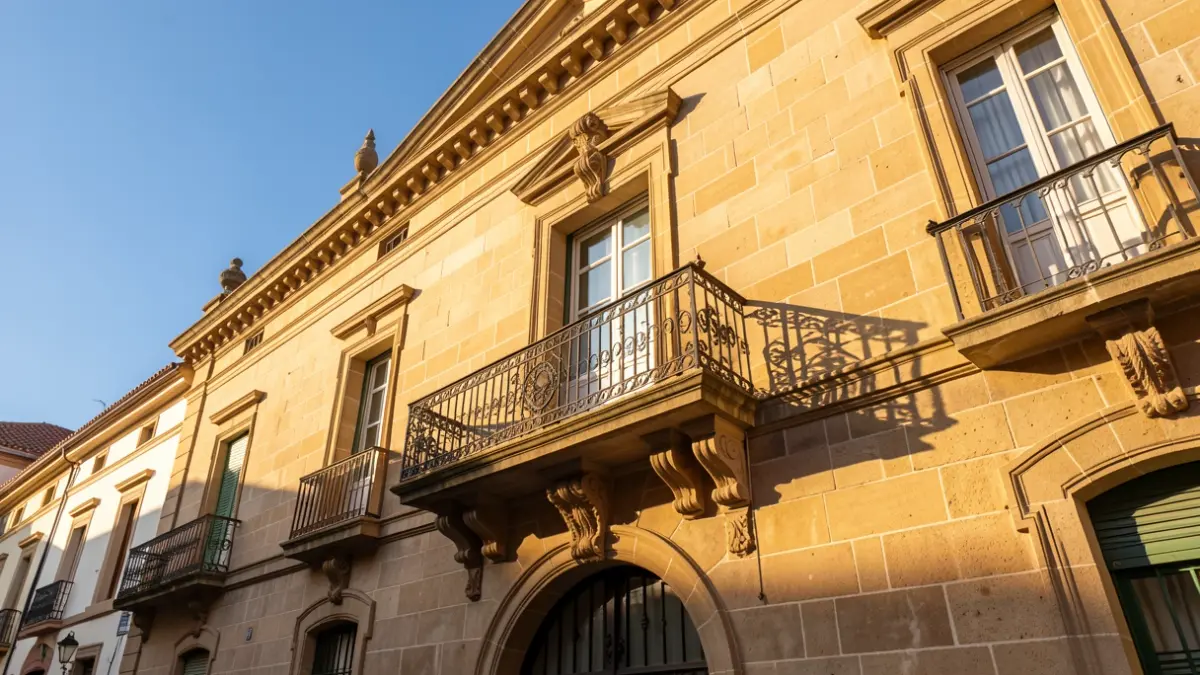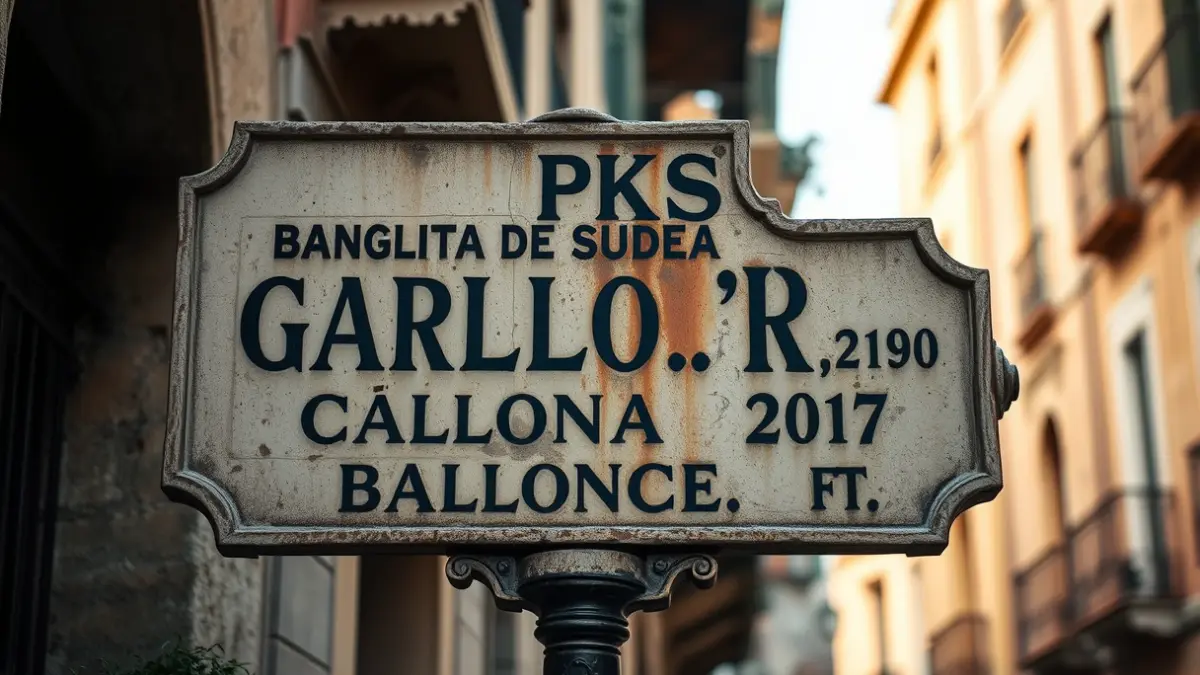
A recent exploration of the district's main thoroughfares, such as Carretera de Sants and Carretera de la Bordeta, highlights how street names have evolved. This variation stems from the old division between Barcelona (outside the walls) and the independent town of Sants, maintaining names according to the municipal area they traversed.
At Can Batlló, internal signage and old signs, like “Constitución 19,” bear witness to its industrial past, now coexisting with vibrant community activity. A recently placed plaque in Parc de Can Batlló, behind Cantina Lab and the Escola de Mitjans Audiovisuals (EMAV), commemorates a key figure in the Catalan labor movement.
A street near Parc de l'Espanya Industrial has had several identities, transitioning from Llibertat to Autonomia, then to Unidad during the Franco dictatorship, and finally returning to Autonomia with democracy. These changes reflect the historical and political moments experienced in the city.
Other curiosities include Carrer del Socors, which transforms into Cerdanyola due to an old stream that served as a border, and Plaça d'Herenni in Hostafrancs, formerly known as Plaça del Sol. The latter lost its official name upon annexation to Barcelona due to duplication with Gràcia, although many residents still advocate for its original designation.
In Sants-Montjuïc, official names often coexist with popular appellations, such as Plaça de Bonet i Muixí, still known as La Màlaga, or La Palangana, referring to the fountain in Plaça de Sants. There are also “ghost” streets like Carrer de la Ferreria or Carrer de Crillon, which no longer appear on maps or are privately owned, but retain their historical memory.
Mobility has also left its mark, with old mosaics on Carrer de Mont-ros indicating traffic direction. Neighborly creativity is evident on Carrer de Sant Baltasar, where residents have created personalized signs to deter drivers from parking, given the ineffectiveness of official signage.