Many Barcelonians seek quality of life, characterized by quiet streets, a good social environment, and proximity to local shops. The Gràcia district, annexed to the Catalan capital in 1897, maintains a distinct essence thanks to its unique lifestyle.
Despite being Barcelona's smallest district, Gràcia is home to over 120,000 inhabitants, with a density that can exceed 600 people per hectare in some areas. Even with this concentration, the neighborhood atmosphere and quality of life are not oppressive but rather a significant draw.
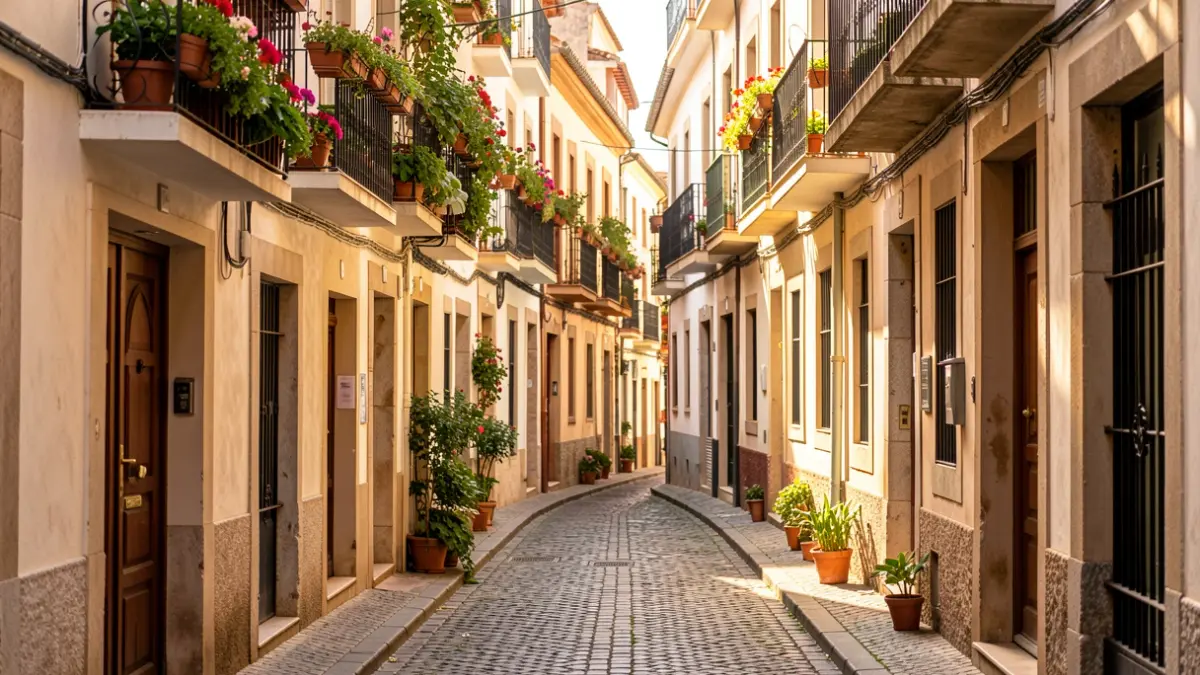
La Vila de Gràcia is the main nucleus of the district's five neighborhoods, with around 50,000 inhabitants. It proudly preserves its former autonomy, featuring narrow streets and lively squares like Plaça del Sol, Diamant, and Virreina.
Other areas within the district include Vallcarca i els Penitents to the north, with a small-town feel; El Coll to the northeast, home to the Creueta d'en Coll park; El Camp d'en Grassot i Gràcia Nova, blending tradition with the ordered layout of L'Eixample; and La Salut, known for Antoni Gaudí's Park Güell.
Gràcia is recognized for its bohemian essence and vibrant local culture, boasting diverse, alternative, and creative cultural spaces, independent theaters, contemporary art galleries, local markets like Abaceria Central, and a wide array of bars and restaurants.
The authentic Barcelona can be found in its cobblestone streets and creative energy. The strong sense of community and social dynamism make many residents feel as if they are still living in a late 19th-century village, despite being in a major city.