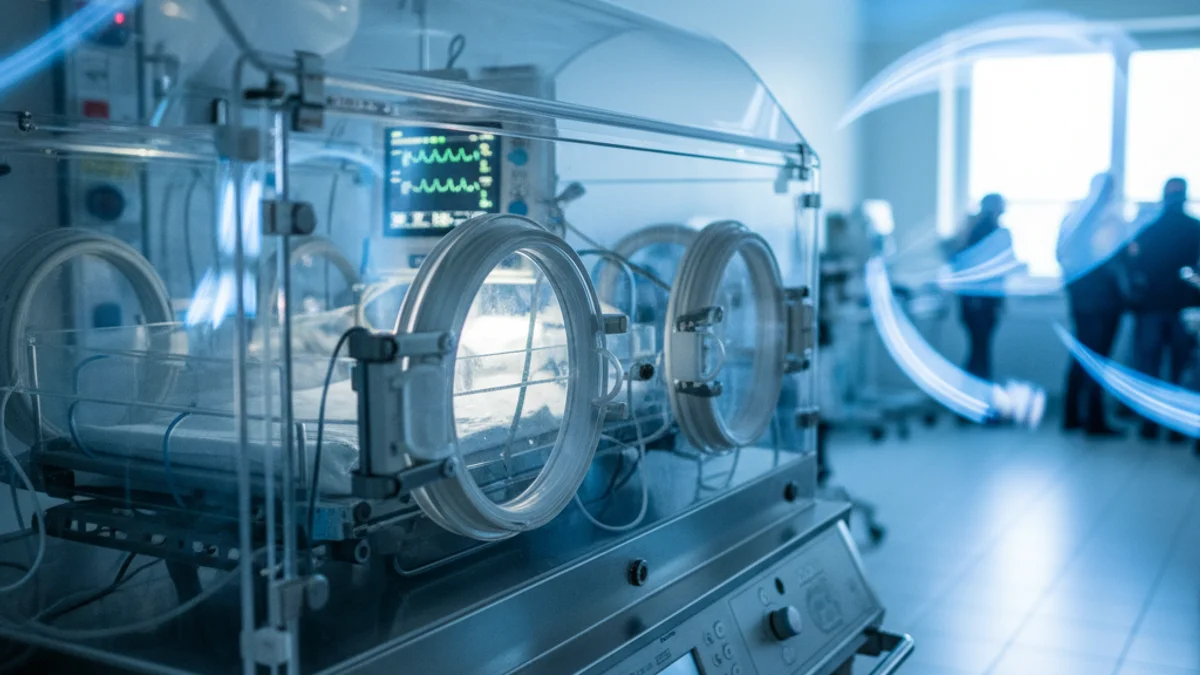
The case of Misha, born in July 2025, demonstrates the importance of these tests. Six days after birth, his mother was informed that the infant had a condition preventing immune system development. This early diagnosis allowed for immediate isolation to prevent infections prior to treatment.
“"If the baby reaches the transplant without any prior infection and with fully preserved organs, the success rate reaches 95% and the cure is complete."
Since 2017, Catalonia has included this condition in the heel prick test. Previously, the survival rate was only 43%. Today, Vall d'Hebron treats over 40,000 patients with rare diseases, serving as a leading center in Europe.