Buildings can play an increasingly important role in balancing electricity systems with high shares of renewable energy. Researchers from IREC have developed a methodology to assess and coordinate the flexibility potential of buildings, combining different energy resources while accounting for real operational constraints.
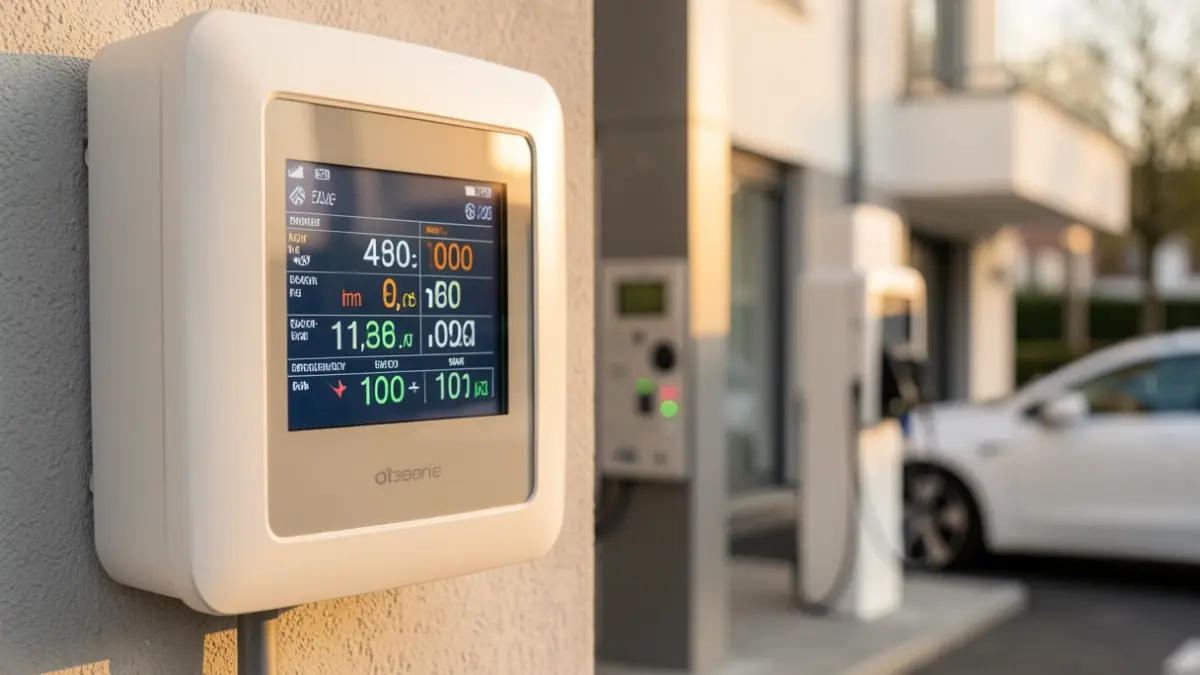
The study, recently published in the journal Energy and Buildings, presents an innovative framework for coordinating HVAC systems, electric vehicle charging, and photovoltaic generation, while considering occupant comfort and energy service requirements. The methodology was demonstrated at a public community centre in Viladecans (Barcelona), equipped with a 15 kWp rooftop solar installation, a centralized HVAC system, and four electric vehicle chargers.
The results showed a 10% reduction in heating energy consumption by the HVAC system, accounting for occupancy patterns and maintaining indoor comfort. Furthermore, the methodology improved EV charging management by better integrating photovoltaic generation and adaptive control strategies. The findings highlight the potential of buildings to deliver reliable and efficient flexibility services, actively supporting renewable energy integration.
These findings demonstrate IREC’s capacity to develop data-driven methodologies and intelligent energy management strategies that coordinate distributed energy resources at the building level. These capabilities can help unlock demand-side flexibility, improve the use of locally generated renewable electricity, and support the development of more flexible and efficient energy systems.
The results are related to the NETBUILD and MELIXA projects, funded by the European Union – NextGenerationEU, within the framework of the Recovery, Transformation and Resilience Plan by the Spanish Government, through the grant program for new business models in the energy transition, managed by the IDAE.