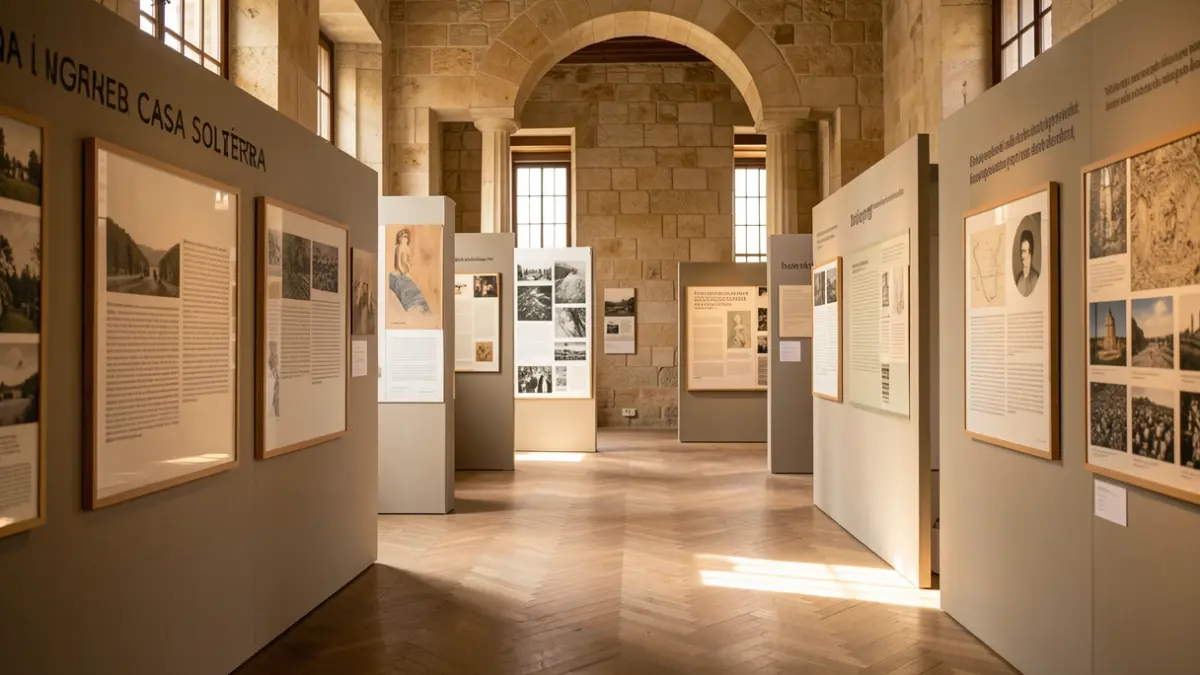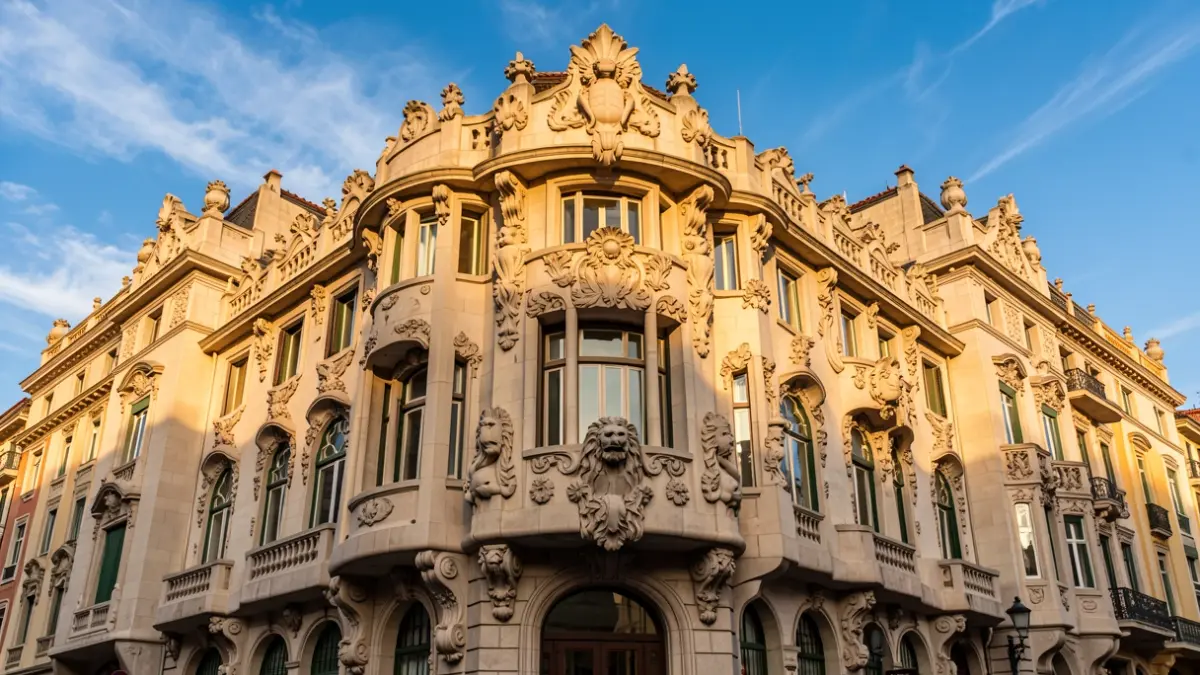
The plenary session of the Barcelona City Council has given the green light to the special plan for the development of the uses of Casa Lleó Morera, designed by Lluís Domènech i Montaner. This approval will allow the iconic building to reopen as a museum, ending a decade during which its owner, Núñez y Navarro, kept it closed to the public. The vote was supported by the PSC, Junts, PP, and Vox, while Barcelona en Comú and ERC abstained.
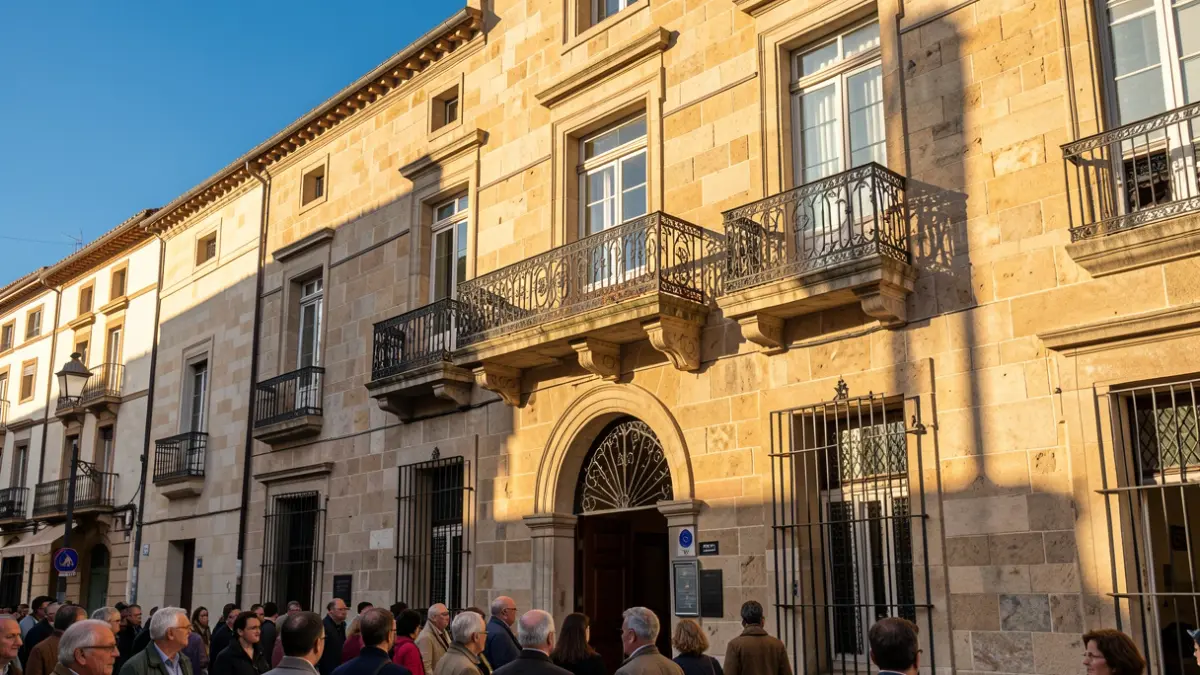
The special plan addresses the building's accessibility issues, particularly the eight steps between the street and the elevator, which had prevented universal access and the acquisition of a museum operating license. The property has presented architectural solutions that, according to the authorities, protect the heritage elements.
The first deputy mayor, Laia Bonet, celebrated the agreement, emphasizing that it will "bring citizen life back to the city center" and aligns with other heritage recovery projects like the Thyssen Museum at the Palau Marcet.
Junts, the PP, and Vox applauded the reopening while respecting the heritage. In contrast, Barcelona en Comú and Esquerra abstained, expressing concern about the impact of public influx on an already "highly crowded and touristy" area like Passeig de Gràcia, especially given its proximity to Casa Batlló.
With the reopening of Casa Lleó Morera, the three architect-designed houses on the block known as the "Block of Discord" – Antoni Gaudí's Casa Batlló, Josep Puig i Cadafalch's Casa Amatller, and Casa Lleó Morera itself – will be visitable. Domènech i Montaner's building is a renovation of the 1864 Casa Rocamora and is notable for its decoration featuring lions and mulberry flowers, honoring the Lleó Morera family. The architect resolved the differing facade dimensions on Passeig de Gràcia and Carrer Consell de Cent with a corner tribune.