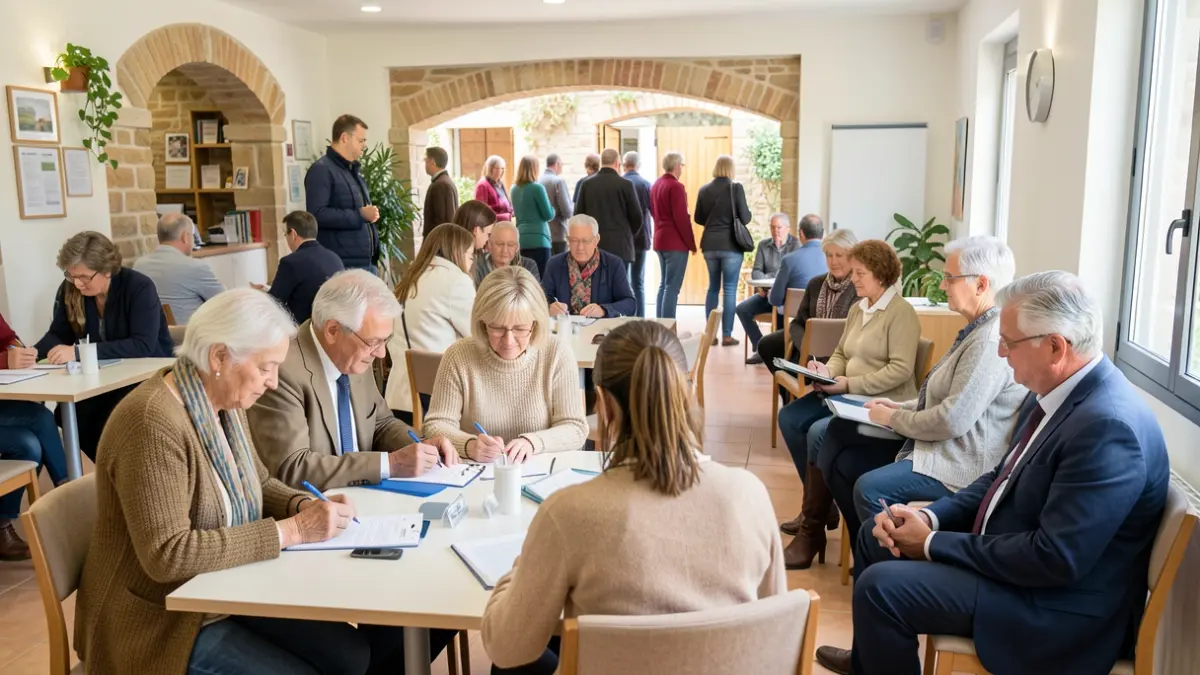
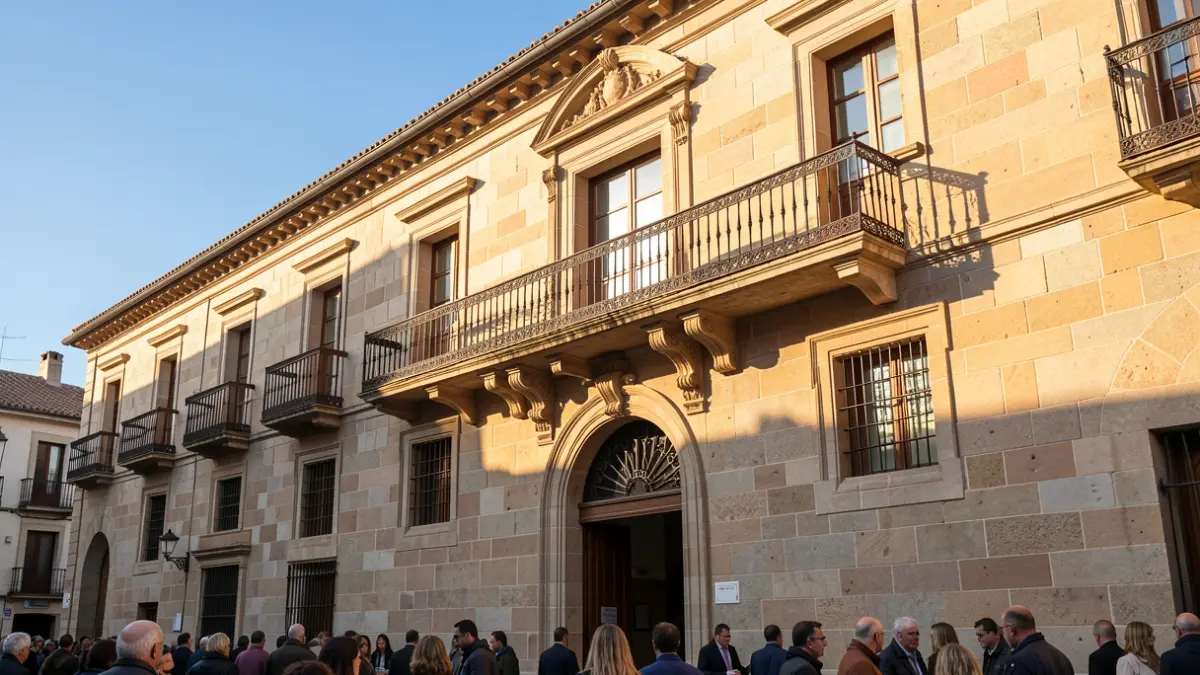
The real estate crisis in Andorra is having a direct impact on neighboring Catalan municipalities, such as those in Alt Urgell and Cerdanya. These areas have experienced significant demographic growth since 2021, primarily due to the arrival of foreign residents seeking more affordable alternatives amid rising property costs in the Principality.
The latest data confirm this trend in locations like la Seu d’Urgell, Montferrer, Puigcerdà, and Organyà. This growth coincides with the surge in rental and purchase prices in Andorra, which has forced the displacement of workers and families with middle incomes.
In la Seu d’Urgell, the population has increased by 23.9% since 2021, reaching 13,009 inhabitants. The city has seen a 44.8% rise in its foreign population, which now accounts for 28% of the total. The majority profile of new residents includes individuals aged 45-64 (29.3%) and 30-44 (23.2%), many of whom are workers linked to Andorra but residing in Alt Urgell for economic reasons. Single-person households represent 38.8%, and property sales have grown by 25.2%.
In Montferrer, the municipality has grown by 7.4% since 2021, reaching 1,161 inhabitants. The foreign population has increased by 43.1% since 2023, and property sales have risen by 31.6% in the last three years.
In Cerdanya, Puigcerdà has surpassed 10,000 inhabitants, with a 14.1% growth since 2021. The foreign population constitutes 39% of the total, with a younger and more family-oriented profile. However, property sales have decreased by 4.5%, suggesting a lower availability of housing.
Organyà also shows accelerated growth, with a 12% increase since 2021, reaching 853 inhabitants. The foreign population has grown by 65%, mainly of South American origin, and property sales have surged by 160% in the last year.
This growth phenomenon in the border Catalan territories occurs amidst persistent real estate tension in Andorra, where rental and purchase prices continue to set historic highs. The limited supply and rising prices affect these populations, despite measures implemented to offer affordable rents and increase the public housing stock.