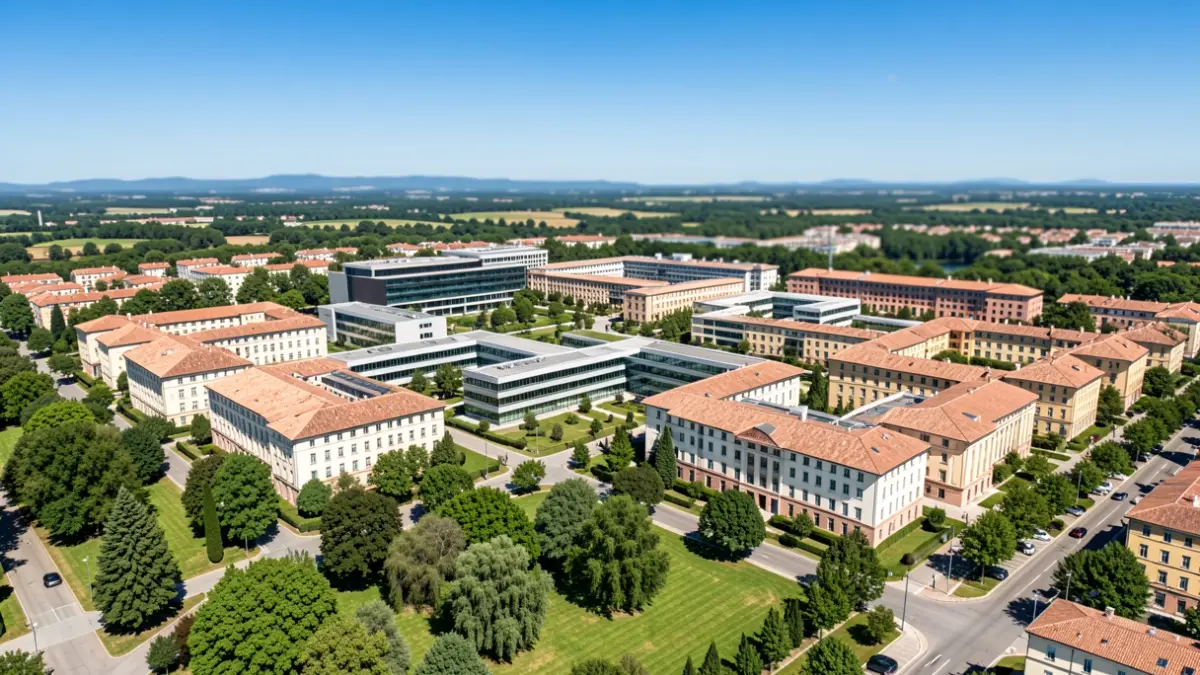
The main objective of the new plan is to transform the campus into a space with more uses, beyond teaching and research. The creation of new residential areas for students and staff is planned, as well as the incorporation of services to make the campus "more vibrant" and "more mixed," according to project sources. Currently, the Vila Universitària has around 2,200 places, and demand is high, which could encourage the construction of new housing in collaboration with the private sector.
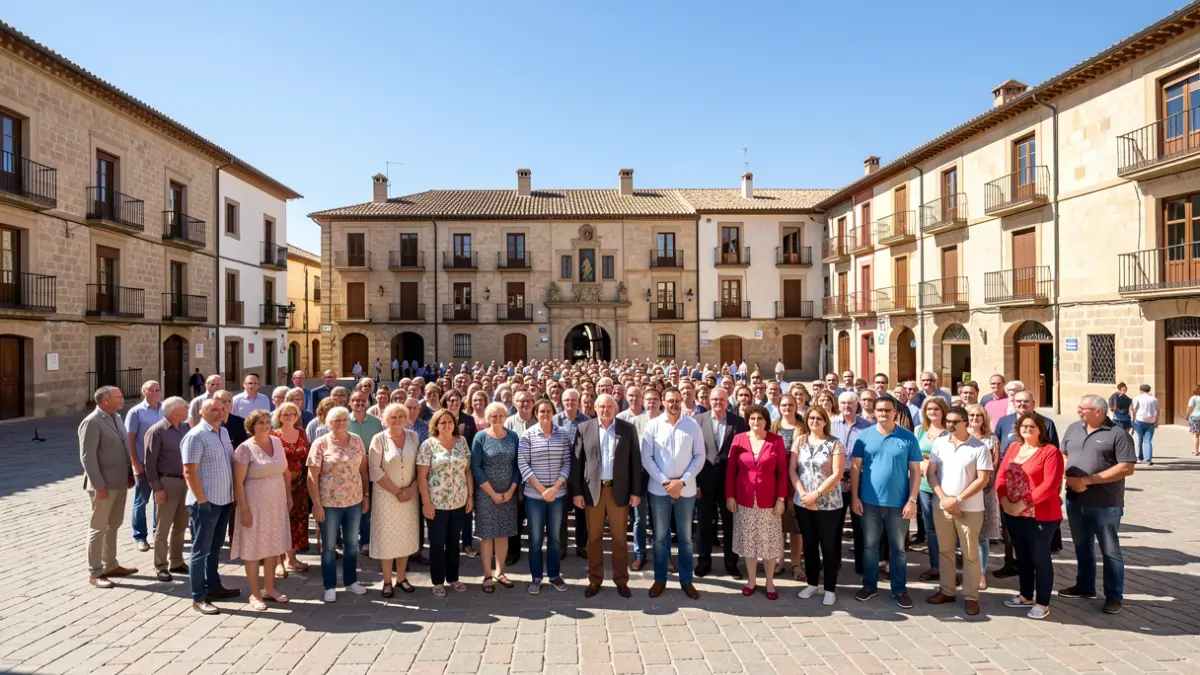
Pere Solà i Busquets, a representative from one of the companies involved in drafting the plan, highlighted the desire to create a place to "reside," with more areas for community interaction for the approximately 50,000 people who frequent the campus daily. The Vice-Rector for Economy, Campus, and Sustainability, Xavier Gabarrell, emphasized that the new urban framework will allow for orderly development, avoiding piecemeal modifications and leveraging available capacity and land to change the campus's morphology.
This approach was presented at an event in the Faculty of Education Sciences, which underscored the alignment between the UAB, the Cerdanyola City Council, the AMB (Metropolitan Area of Barcelona), and the Generalitat (Catalan Government). Alfons Garrido, Deputy Director of Urban Planning Actions for the Generalitat, announced that the final approval of the document is expected in 2028, following an open public debate period. Registrations for the participatory workshops will be open from September 22 to October 1.
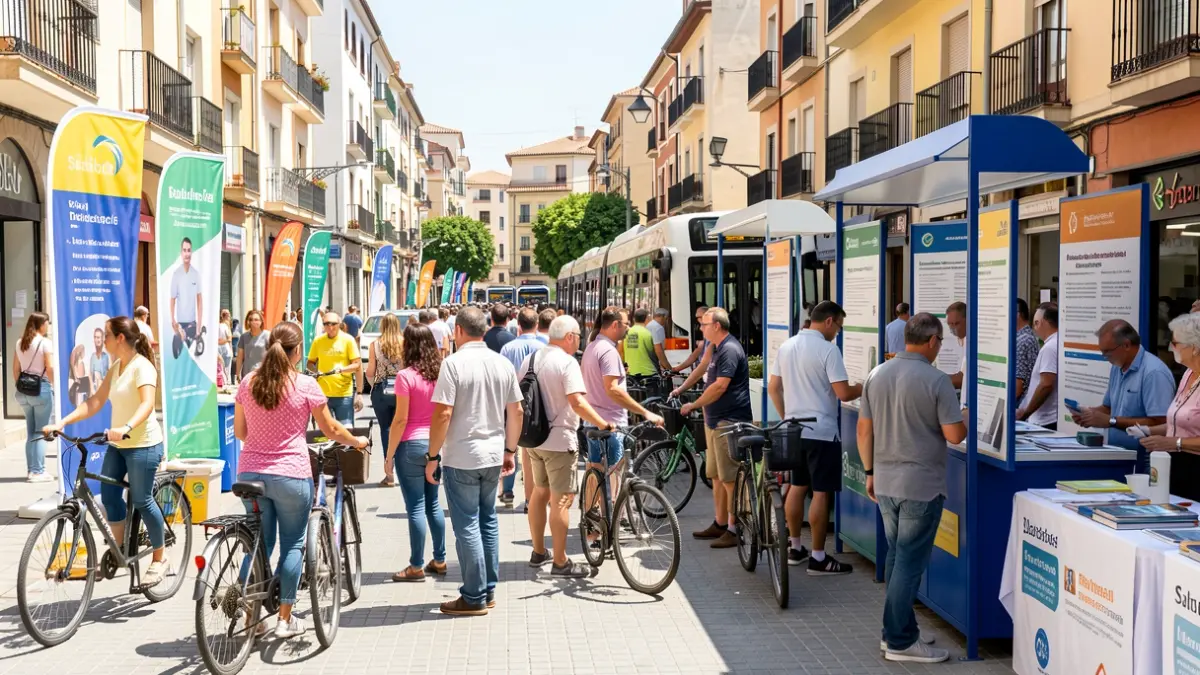
The speakers agreed on the importance of this "opportunity" to reorganize the campus and define its vision for the coming decades while maintaining its uniqueness. Xavier Mariño, Director of Urban Policies for the AMB, summarized the spirit as "ceasing to be autonomous" in the sense of building bridges with neighboring municipalities. Eulàlia Mimó, Councilor for Urban Planning at the Cerdanyola City Council, urged for the reconnection of the surrounding area, highlighting concepts such as sustainable mobility, housing, and accessible facilities as foundations for a "project of the country" that will boost the Vallès region.