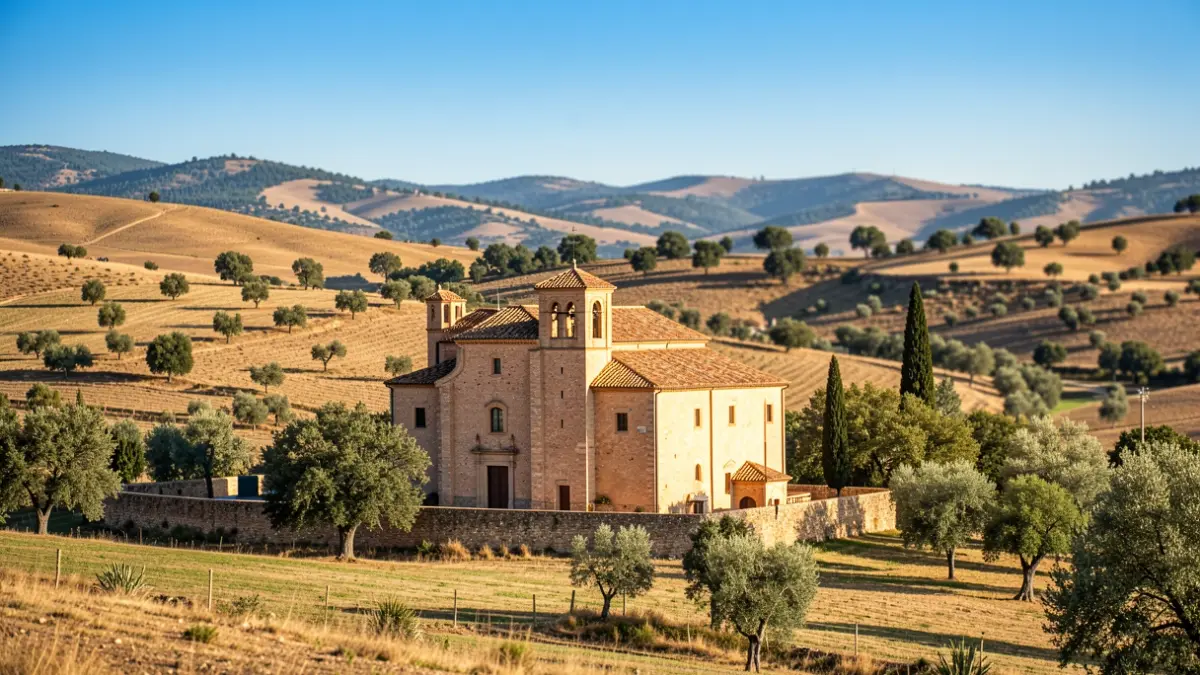
Reviscolar-Cultura Leader is launched, a pioneering initiative aiming to transcend administrative borders through culture, uniting twelve regions from Teruel, Castellón, and Terres de l’Ebre. This unique cultural project in Spain will be officially presented on Friday, September 18th, at the Sanctuary of Our Lady of the Font of Pena-roja de Tastavins (Teruel).
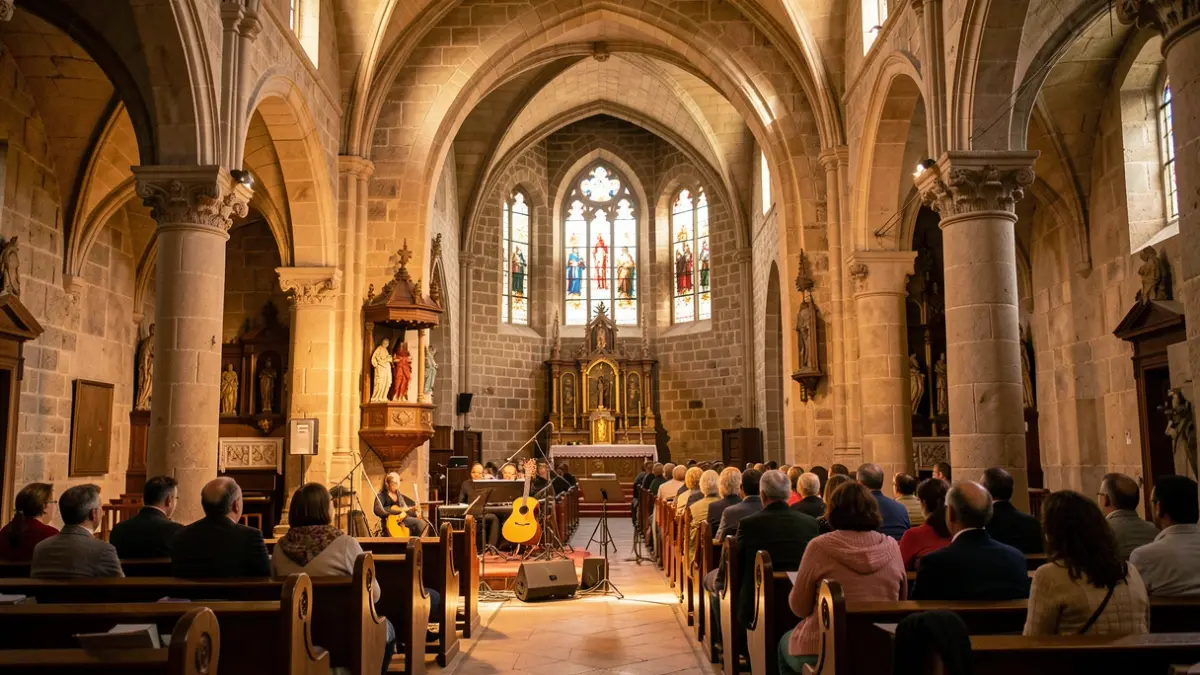
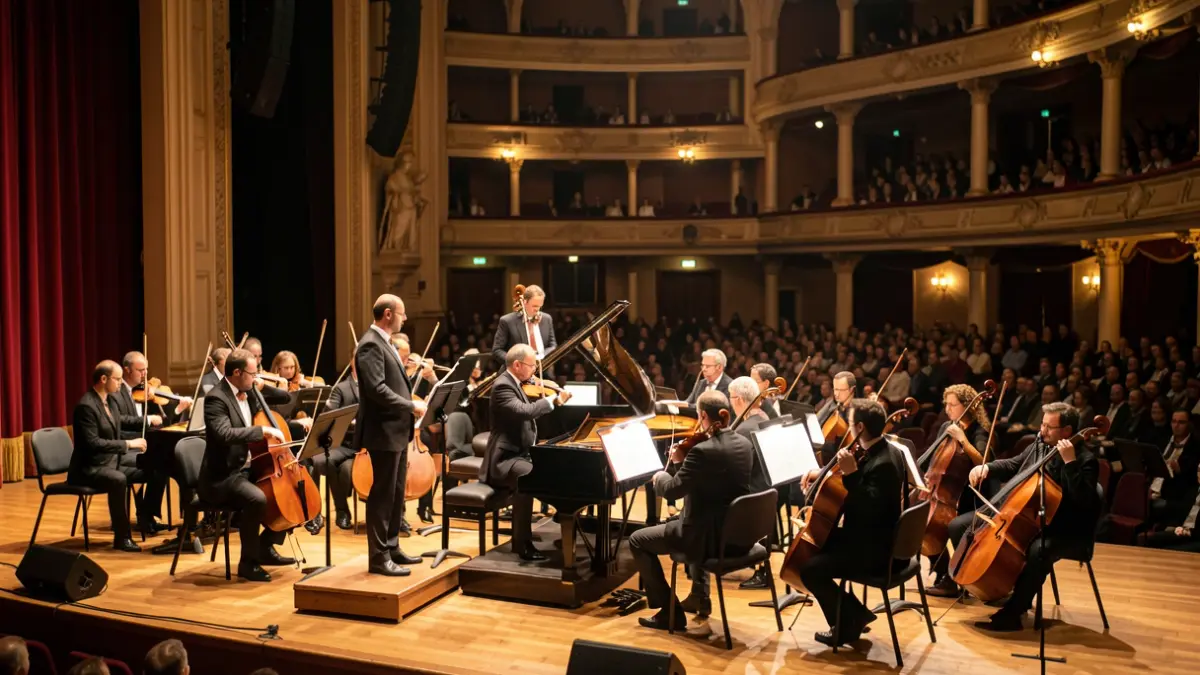
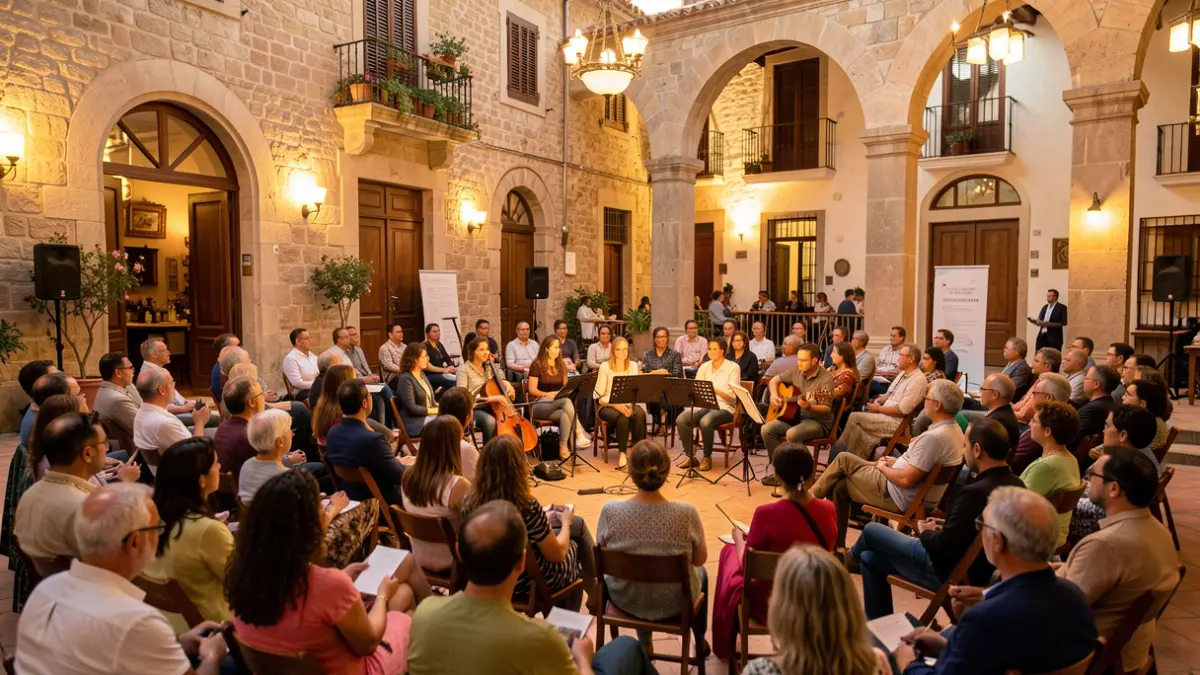
The event, open to all, will bring together cultural agents, institutions, and residents from the three territories for a gathering designed to connect and promote rural culture. It will feature artistic actions, talks, debates, local product tastings, and free concerts.
The primary objective is to formalize a cooperation alliance with continuity until 2028. The aim is to establish an interterritorial cultural network, showcase the artistic agents and actions of each area, and create tools for resource management between provinces, highlighting shared heritage and fostering coexistence.
The project is driven by six local action groups: AGUJAMA and OMEZYMA (Teruel), CODEBEM and CIS (Terres de l’Ebre), and Altmaesports and Maestrat Plana Alta (Castellón), with collaboration from the Fundación Gabeiras, Col·lectiu Cultura, and the Universitat Oberta de Catalunya.
“"The regions of Baix Ebre and Montsià must be part of this activity. We cannot be left behind by the rest of the surrounding regions. I believe it generates significant added value for our territory."
Rubén Alegria, manager of CODEBEM, emphasizes the importance of the participation of the Ebre regions and the added value it brings to the territory, which is already a cultural reference. He explained that a mapping of cultural entities and actors has been carried out, and that preliminary meetings have been held to bring the project to life, understanding culture broadly to include popular music, dances, and traditions.
The hope for Friday's event is to "kick off the project," fostering synergies among organizers, local action groups, entities, associations, and artists, and expanding the project's reach.
“"We share a common history, a common heritage, and an identity forged over the years thanks to the social, economic, and cultural ties that connect us."
Begoña García, manager of CIS, highlights the shared history, heritage, and identity among the three territories. The project focuses on creating a stable cultural network, increasing the visibility of local artists and initiatives, and providing tools and experiences, demonstrating that culture unites people beyond borders and roots them in rural life.
From CIS, the cultural sector is seen as a driver for rural and economic revitalization. Actions have included contacting cultural agents, particularly young people and women, to include them in a cultural agents' map, and a meeting in Gandesa to identify needs and connection points.
The project is funded by the Ministry of Culture, the Government of Aragon, the Generalitat Valenciana, and the Department of Agriculture of the Generalitat de Catalunya, with co-financing from the European Agricultural Fund for Rural Development (EAFRD).