The Observatory Against LGTBI-phobia in Catalonia has documented 353 incidents related to LGTBI-phobia during 2025, the highest figure in the last decade. The entity's annual report, presented in Barcelona, indicates an upward trend that has now seen three consecutive years exceeding 300 cases. For the first time, a link has been established between the housing crisis and discrimination based on sexual orientation and gender identity.
Cristian Carrer, coordinator of the Observatory, emphasized the need to broaden the perspective beyond physical and verbal aggressions to include structural violence. An example is the difficulty of access to decent housing for LGTBI individuals due to discriminatory reasons or family breakdowns.
The entity defines an incident as any reported episode of discrimination, violence, harassment, hate speech, or rights violation motivated by sexual orientation, gender identity, or expression. Preliminary data for 2026 suggest this record could be surpassed.
Qualitatively, 44.1% of incidents occur in public spaces, primarily on the street, followed by public transport. Albert Carrasco, also a coordinator for the entity, specified that these spaces include institutional facilities, health centers, libraries, or museums.
Regarding the profile of affected individuals, gay men continue to be the group reporting the most incidents (46.5%), although with a slight percentage decrease. The trans community shows a growing trend, with an increase in cases affecting trans men and non-binary individuals, while trans women remain the most affected within the community (35.7%). The entity acknowledges the need to promote actions for the most invisible groups, such as lesbian women, bisexual, or intersex individuals. The average age of those affected is 35.2 years.
The study also analyzes the relationship between homelessness and the LGTBI community. Carrer pointed out that homelessness is a context of social exclusion often caused by family breakdowns, migration, housing problems, and evictions, sometimes motivated by LGTBI-phobia. Research by the State LGTBI+ Federation confirmed that over a third of LGTBI+ individuals have experienced some form of homelessness in the last five years.
The entity has also observed marked seasonality, with an increase in cases between April and July, attributed to greater visibility and awareness for reporting. Weekends concentrate 58.8% of cases, compared to 41.2% during weekdays.
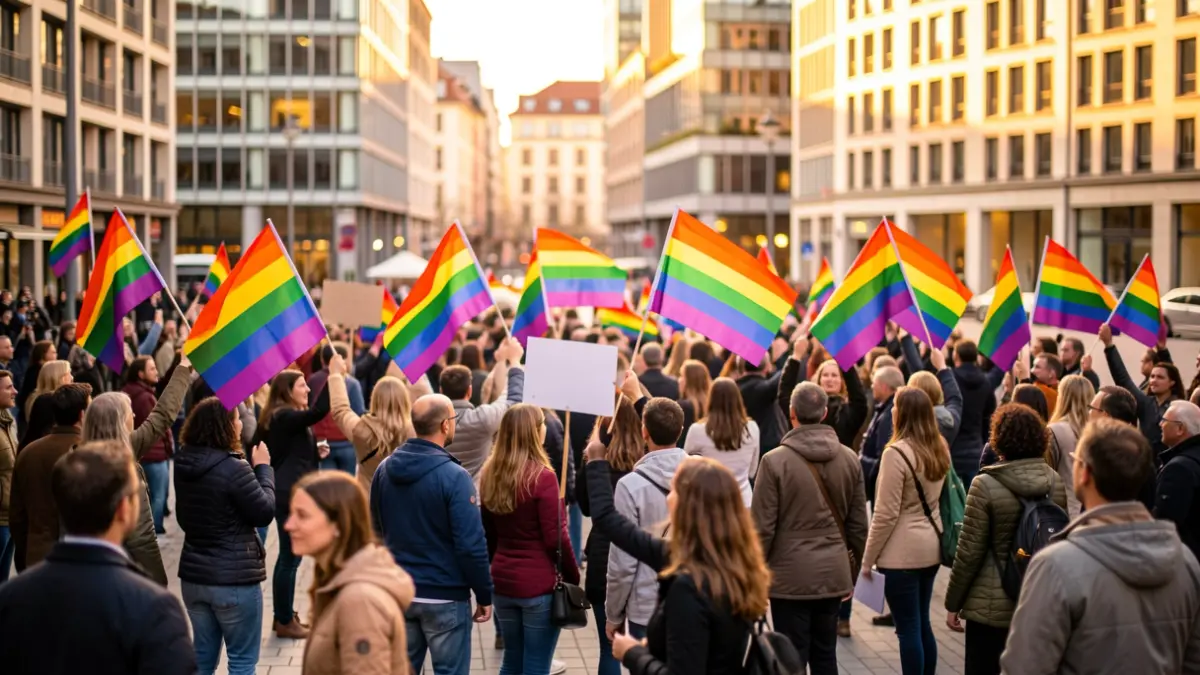
Despite the increase in reports, the Observatory emphasizes that the figures represent only a part of the problem, with structural underreporting. The LGTBI+ community is celebrating the 50th anniversary of the first demonstration in Barcelona this year, with a calendar of activities that began on Saturday with a march of approximately 2,000 people, according to the Guardia Urbana.